
Blooming
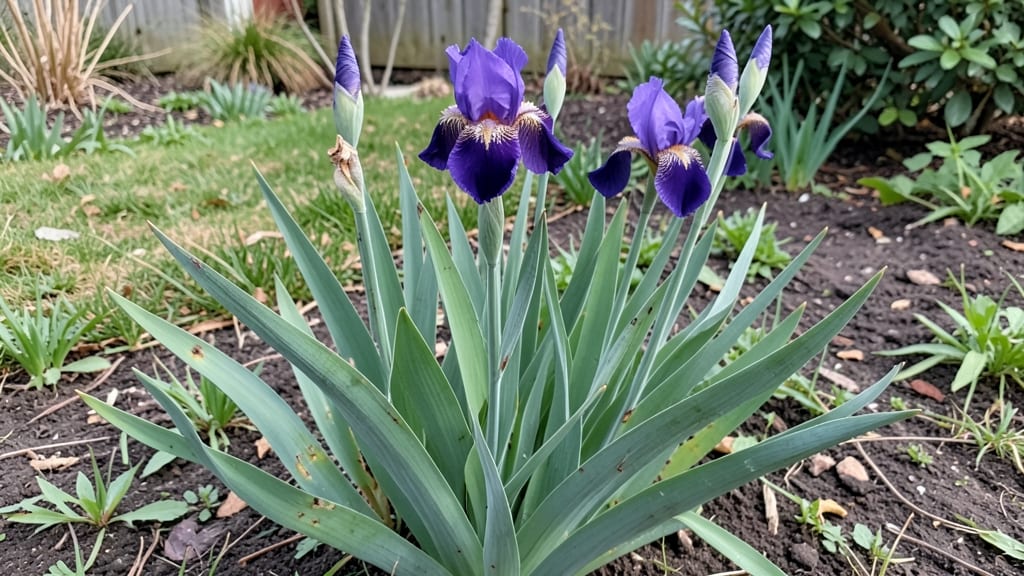
Walking iris blooms typically occur when mature rhizomes spread underground, producing offsets that push up new shoots 2-3 years after planting, often in late spring. To encourage it naturally, divide clumps every 3-4 years, ensure full sun exposure, and maintain well-draining soil with consistent moisture but no waterlogging.
These offsets aren't just random shoots—they're the plant's way of ensuring survival and expansion, a process called vegetative reproduction. 🌱 Think of it like nature's backup system: when the mother plant has fully matured (usually after 3+ years), it starts producing these baby rhizomes as insurance against damage or poor conditions.
The timing of blooms often aligns with the plant's natural dormancy cycle, where late spring's warming soil triggers both root growth and flower production.
What's fascinating is how sunlight plays a key role—irises need 6+ hours of direct light daily to trigger flowering hormones. That's why gardeners often see more blooms on southern exposures or raised beds where soil warms faster in spring.
The key isn't just about sunlight though; it's about creating the perfect balance where the roots get enough oxygen through well-draining soil while still maintaining that consistent moisture.
💡 In This Article
- Understanding Walking Iris Rhizome Growth Patterns
- Natural Techniques to Stimulate Iris Offsets and Blooms
Understanding walking iris rhizome growth patterns
Here's what's actually happening underground: walking iris rhizomes grow horizontally through the soil, forming new growth points called offsets every 12-18 months. These offsets are genetically identical clones of the mother plant, connected by a network of fine roots.
The key trigger is the rhizome's dormancy cycle—after a period of active growth in spring, it enters a resting phase in summer where it stores energy for next year's blooms. This energy reserve is what fuels both the rhizome's expansion and the development of flower buds.
The speed of spread varies dramatically between varieties. German iris spreads aggressively, producing 3-5 offsets per rhizome annually under ideal conditions, while Louisiana iris grows more slowly, creating just 1-2 offsets every 2 years.
The difference comes down to genetics and environmental factors—aggressive spreaders prioritize reproduction over flower production, which is why they often bloom less reliably. Sunlight triggers this process through a hormone called phytochrome, which activates when the rhizome receives 6+ hours of direct sunlight daily during its active growth window.
What most people don't realize is that the blooming cycle is directly tied to rhizome maturity. Young plants (1-2 years old) focus all their energy on root development, producing only foliage.
It's not until the rhizome reaches 3+ years—when it's about 6-8 inches long and has stored sufficient starch—that it allocates resources to flower production. This is why gardeners often see their first blooms in the third spring after planting.
The plant's internal clock uses temperature cues: when soil warms to 55-60°F consistently, it breaks dormancy and initiates both rhizome expansion and flower bud formation.
There's also a fascinating interplay between water and growth patterns. Iris rhizomes need well-draining soil to prevent rot, but they also require consistent moisture during their active growth phase (spring to early summer).
Too much water triggers anaerobic conditions that stunt offset production, while drought stress causes the rhizome to go dormant prematurely. The ideal moisture balance keeps the rhizome's growth points actively dividing—each new cell division creates a potential new offset or flower bud.
This is why gardeners often see more blooms in second-year plants that've established strong root systems but haven't yet reached the aggressive spreading phase.
Consider these key factors when evaluating your iris's growth patterns:
- Rhizome age: 1-year = foliage only; 2-year = small blooms; 3+ years = full flowering potential
- Sunlight exposure: 6+ hours = optimal flowering; 4-6 hours = reduced blooms; less than 4 hours = mostly foliage
- Spread rate: Aggressive (3+ offsets/year) = fewer blooms; Moderate (1-2 offsets/year) = balanced growth and flowering
The most reliable bloomers tend to be moderate spreaders that maintain a balance between rhizome expansion and flower production. These varieties typically produce 10-15 blooms per rhizome when properly cared for, while aggressive spreaders might only produce 3-5 blooms as they prioritize creating more offsets.
The secret to encouraging both healthy growth and abundant blooms lies in creating conditions that mimic the iris's natural habitat—well-draining soil, full sun exposure, and seasonal dormancy periods that allow the rhizome to properly recharge. 🌸