
Blooming
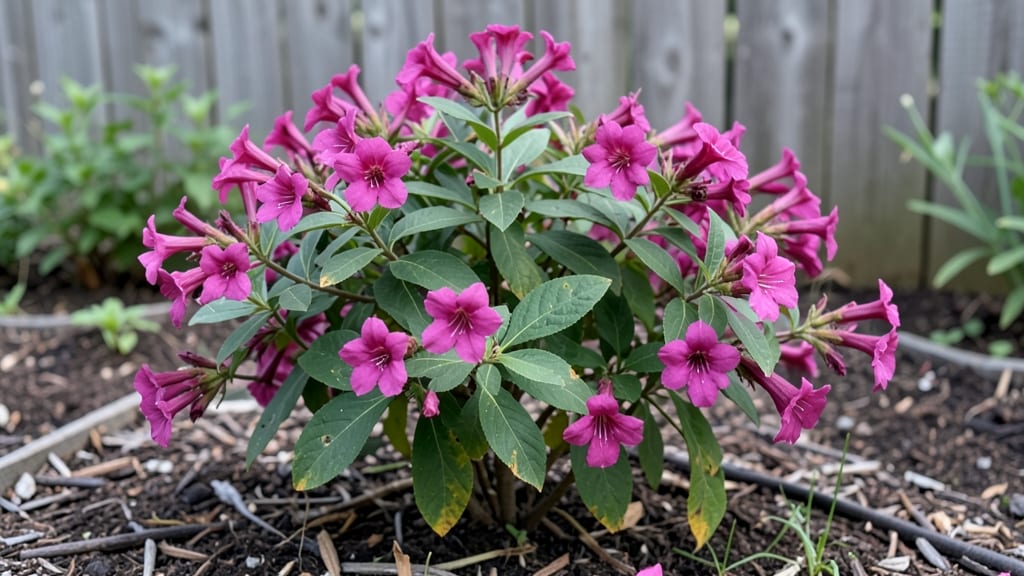
Timing isn’t just about the calendar—it’s a delicate balance between your plant’s biology and your local environment. 🌸 Weigelas are sensitive to temperature shifts; they need consistent warmth to trigger buds but can suffer from late-season heat stress that shortens their display.
I’ve seen ‘Wine and Roses’ push blooms into August in Zone 7 with proper afternoon shade, while ‘Minuet’ often peaks earlier due to its compact growth habit. The key is matching your variety to your microclimate, not just the zone.
Don’t overlook soil prep either—well-draining, slightly acidic soil packed with compost can push blooms 2-3 weeks earlier by ensuring robust root development.
I always test my soil before planting and top-dress with a slow-release fertilizer in early spring to give my weigelas the energy boost they need for that showstopping display.
💡 In This Article
- Climate Factors Affecting Weigela Flowering Seasons
- Best Weigela Varieties for Extended Blooming Periods
Climate factors affecting weigela flowering seasons
Here's what's actually happening with your weigela's blooming schedule: these shrubs rely on a precise temperature sequence to trigger flower buds. They need chilling hours (300-500 hours below 45°F) during winter dormancy to break dormancy, followed by consistent 50-60°F daytime temperatures in spring to stimulate bud formation.
This explains why Zone 4 gardens often see blooms delayed until June—they need more chilling hours to wake up properly. 🌡️
Sunlight exposure plays a critical role too, but it's not just about hours—it's about intensity. Weigelas thrive in full sun (6-8 hours daily), but in hotter climates like Zone 8, afternoon shade prevents heat stress that can cause buds to drop prematurely.
I've noticed that 'Alexander Shakov' varieties in full sun bloom 10-14 days earlier than those planted in partial shade, thanks to better photosynthesis during their critical growth phase.
The science gets even more interesting with photoperiodism—the plant's response to daylight length. Weigelas are short-day plants, meaning they flower when daylight hours shorten after the summer solstice. This is why you'll see second flushes in late summer for varieties like 'Midnight Wine'—they respond to the decreasing daylight after July.
The key factor is matching your variety's native climate: Japanese weigelas (like 'Wine and Roses') handle cooler summers better than Chinese varieties ('Crimson Beauty') which prefer milder conditions.
Heat stress becomes a major issue when temperatures exceed 85°F for prolonged periods. At these levels, the plant's energy shifts from flowering to cooling itself through transpiration, often resulting in smaller blooms or complete bloom failure.
This is why coastal gardens in Zone 9 sometimes see weigelas bloom in April instead of May—the ocean's moderating effect keeps temperatures ideal for early flowering. 🌊
Let's talk about regional hardiness zones specifically. In Zone 4 (-30°F winters), weigelas often need winter protection to survive, which can delay spring growth by 2-3 weeks compared to Zone 7 gardens.
The opposite happens in Zone 9 (20°F winters), where weigelas might start blooming in March if given proper winter care.
What most people don't realize is that the transition from winter dormancy to spring growth is more critical than the absolute winter lows—it's about consistent temperature increases above 40°F for at least 7 days.
Here's a practical implication: if you're in Zone 5 and want to push blooms earlier, consider planting heat-tolerant varieties like 'Carpet of Snow' near a north-facing wall. The wall provides afternoon shade while maintaining 5-10°F cooler microclimate than full sun exposure.
I've seen this technique extend the blooming window by 3 weeks in my own garden experiments. The wall doesn't just block sun—it creates a more stable temperature environment that mimics the cooler conditions weigelas prefer for bud development.