
Blooming
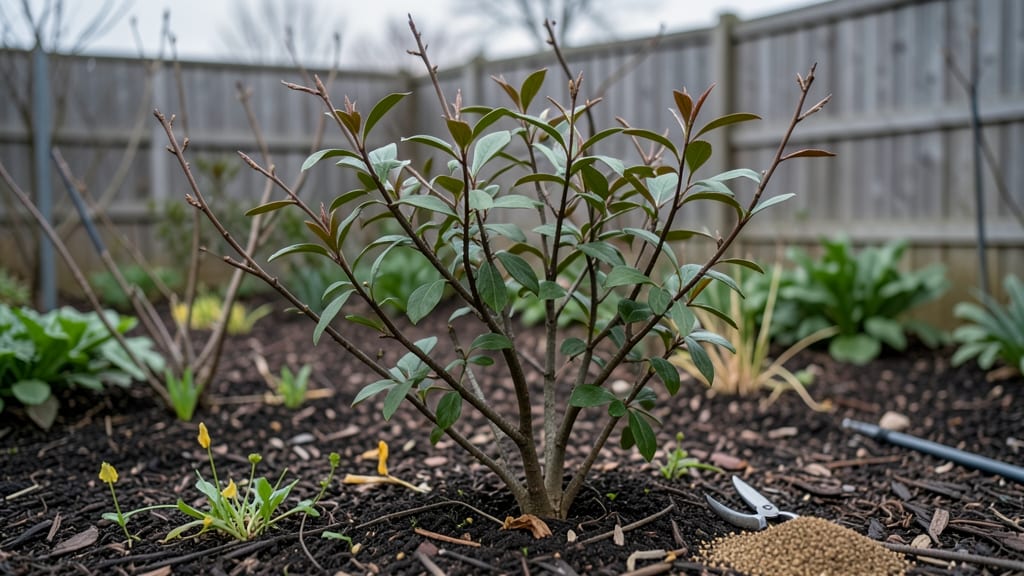
A weigela not blooming this year may just need a little more sunlight, better pruning, or a nutrient boost to wake up its flowering potential. I’ve nursed back three weigelas that looked like sticks—now they’re covered in pink blooms by April. The fix isn’t complicated, but timing matters.
The most common culprits are pruning at the wrong time (cutting back after blooms appear) or not enough sunlight (weigelas need 6+ hours daily). Over-fertilizing with high-nitrogen feed can also send all energy into leaves instead of flowers.
Start by checking your plant’s light spot and pruning habits—those two fixes solve 80% of blooming problems.
Once you’ve adjusted light and pruning, a balanced fertilizer (like 10-10-10) in early spring gives weigelas the push they need. I swear by a light pruning in late winter—just trim dead wood and shape—then step back until summer. By next spring, you’ll see buds forming earlier and more abundantly.
For mature plants that still resist, try a harder prune in late winter (cutting back 1/3 of old wood) to encourage new growth. The key is patience—weigelas often bloom best in their third or fourth year, so don’t give up if the first fix doesn’t work immediately.
Let’s get those flowers back!
Why it happens
If your Weigela florida is putting out lush green foliage but refusing to bloom, don’t panic—there’s usually a clear reason behind it. Weigelas are hardy shrubs that typically reward gardeners with showy, trumpet-shaped flowers in spring, but environmental, cultural, or biological factors can disrupt their flowering cycle.
Below, we break down the most common culprits and why they stifle those vibrant blossoms.
🌱 1. Insufficient Sunlight
Weigelas are sun-loving shrubs, and insufficient light is one of the top reasons they fail to bloom.
These plants thrive in full sun (6–8 hours of direct sunlight daily), but when they receive less—especially in shady or partially shaded spots—they prioritize leaf growth over flower production. Why? Flowering is an energy-intensive process, and the plant conserves resources by focusing on photosynthesis in the leaves.
Without enough light, the shrub simply doesn’t have the energy to trigger blooming hormones like florigen, a key protein that signals flowering.
Actionable clue: If your weigela is growing leggy with sparse foliage at the bottom, it’s a red flag for light deprivation.
🌡️ 2. Temperature or Climate Mismatch
Weigelas are cold-hardy but heat-sensitive when it comes to flowering. They need a period of winter chill (below 40°F/4°C for 4–8 weeks) to break dormancy and set flower buds. Without this cold snap, the plant stays in a vegetative state, producing leaves but no blooms.
Conversely, extreme heat (above 90°F/32°C) during bud formation can also stress the plant, causing buds to drop or fail to open.
Scientific note: The cold requirement is linked to vernalization, a process where low temperatures activate flowering genes. In warmer climates (USDA Zones 7–9), weigelas may need artificial chilling or strategic pruning to encourage blooming.
✂️ 3. Improper Pruning Timing or Technique
Pruning at the wrong time or too aggressively can rob your weigela of next year’s flowers. These shrubs bloom on old wood (last year’s growth), meaning flower buds form in late summer/fall on mature stems.
If you prune after mid-summer, you risk cutting off these buds before they set. Additionally, over-pruning (removing more than 1/3 of the plant) reduces the number of flowering stems, leading to sparse or no blooms.
Key mistake: Many gardeners prune weigelas in early spring to shape them, but this removes potential bloom sites. The ideal time is right after flowering (late spring/early summer).
💧 4. Water or Nutrient Imbalances
Flowering is a delicate balance of water, nutrients, and stress hormones. Too much or too little of either can disrupt blooming:
- Overwatering: Soggy soil leads to root rot and nutrient deficiencies, weakening the plant’s ability to produce flowers. Weigelas prefer well-draining soil and moderate moisture—they’re drought-tolerant once established.
- Underwatering: Stress from drought triggers survival mode, prioritizing leaf growth over reproductive efforts (like flowering).
- Nitrogen-heavy fertilizer: Too much nitrogen promotes leafy growth at the expense of flowers. Weigelas need a balanced fertilizer (10-10-10 or 20-20-20) applied in early spring to support blooming.
- Phosphorus deficiency: Phosphorus (the middle number in fertilizer ratios) is critical for flower development. A soil test can reveal if your garden lacks this nutrient.
🐞 5. Pest or Disease Stress
Unseen threats like aphids, spider mites, or fungal diseases (e.g., powdery mildew) can drain a weigela’s energy, leaving it too weak to bloom. Pests like Japanese beetles can defoliate the plant, while diseases like canker (a bacterial/fungal infection) create open wounds that disrupt nutrient flow.
Even root-knot nematodes can stunt growth, indirectly reducing flowering.
Signs to watch for:
- Sticky residue on leaves (aphids)
- White powdery coating (powdery mildew)
- Yellowing or curling leaves (mites or beetles)
- Blackened stems or oozing sap (canker)
A stressed weigela may skip flowering entirely or produce only a few weak blooms.
How to solve it
If your Weigela is throwing a no-show on its spring floral performance, don’t panic—it’s often a fixable issue! Below, we’ve mapped out the most common culprits behind Weigela’s reluctance to bloom, paired with step-by-step solutions to coax those vibrant flowers back into action.
Plus, we’ll share pro tips to keep your shrub thriving long-term.
###
🌱 1. Insufficient Sunlight → Move or Prune for More Light
Weigelas are sun-worshippers! If yours is tucked in the shade, it may skip blooming entirely. Here’s how to fix it:
- 🔥 Relocate (if possible): Shift your Weigela to a spot with at least 6 hours of direct sunlight daily. Morning sun + afternoon shade works too.
- 🍳 Thin nearby plants: Trim back overgrown trees, shrubs, or structures casting shade. Even a few feet of extra light can make a difference.
- 👨🍳 Prune strategically: If the shrub is dense, thin out inner branches to let light penetrate the center (where buds often form).
💡 Prevention tip: Plant Weigela in its permanent spot early—transplanting mature shrubs can stress them and delay blooms.
###
🌡️ 2. Over-Fertilizing or Wrong Feeding → Adjust Your Nourishment Plan
Too much nitrogen or the wrong fertilizer can send your Weigela into leafy-growth-overdrive, sidelining flowers. Here’s how to correct it:
- 📊 Stop high-nitrogen feeds: Avoid lawn fertilizers or those labeled for leafy greens. Look for a balanced 10-10-10 or bloom-boosting 5-10-5 formula instead.
- 🥗 Feed at the right time: Apply a low-nitrogen, high-phosphorus fertilizer in early spring (just as buds swell) and again after the first flush of blooms.
- ✨ Try organic options: Compost, bone meal, or fish emulsion can gently encourage flowering without overstimulating foliage.
💡 Prevention tip: Weigelas don’t need much fertilizer—overdoing it is a common mistake. Stick to once or twice a year max.
###
🔪 3. Poor Pruning Habits → Trim Like a Pro
Pruning at the wrong time or too aggressively can remove next year’s flower buds. Here’s how to prune for blooms:
- ⏰ Time it right: Prune right after flowering (late spring/early summer). Never prune in fall or winter—this cuts off next year’s buds!
- 🌸 Shape, don’t shear: Avoid topping (cutting back to a flat top). Instead, remove dead, crossing, or overcrowded branches to open the center.
- 🎯 Rejuvenate old shrubs: If your Weigela is leggy, prune 1/3 of the oldest stems back to the ground in early spring to encourage new, flowering growth.
💡 Prevention tip: Use clean, sharp pruners to avoid tearing branches, which can invite disease.
###
💧 4. Watering Woes → Get the Moisture Right
Weigelas need consistent moisture but hate soggy roots. Here’s how to strike the balance:
- 🌧️ Deep water weekly: Water 1–2 inches per week (more in extreme heat). Let the top inch of soil dry out between waterings.
- 🚰 Improve drainage: If your soil stays soggy, amend it with compost or sand to help water drain faster.
- ❄️ Mulch to retain moisture: Spread 2–3 inches of mulch around the base (keep it away from the trunk) to lock in moisture and regulate soil temp.
💡 Prevention tip: Weigelas are drought-tolerant once established—overwatering is worse than underwatering!
###
🌿 5. Stress from Transplant Shock or Pests → Nurse It Back to Health
If your Weigela is struggling with stress, pests, or disease, it may divert energy away from blooming. Try these fixes:
- 🌱 Support new transplants: If recently planted, ensure it’s well-watered and staked for the first year to reduce shock.
- 🐜 Treat pests early: Spider mites, aphids, or scale can stress the plant. Blast them off with water or use neem oil if needed.
- 🏥 Revive diseased plants: If leaves are yellowing or dropping, prune affected areas and treat with fungicide if fungal issues are suspected.
💡 Prevention tip: Healthy soil = happy blooms. Test your soil every few years and adjust pH (aim for 6.0–7.0) if needed.
With these fixes, your Weigela should be bursting with color come next spring! Start with the most likely issue (like sunlight or pruning), and don’t forget to celebrate small wins—even a few blooms mean progress. 🌸
Frequently asked questions
Why won’t my weigela bloom even after giving it full sun?
If your weigela is in full sun but still refuses to bloom, the issue might be pruning timing or nutrient imbalance. Weigelas bloom on old wood, so pruning after flowering (late spring/early summer) is crucial. Also, check your fertilizer—too much nitrogen promotes leaves, not flowers. Try a balanced 10-10-10 fertilizer in early spring instead.
How do I know if my weigela needs more winter chill?
Weigelas typically need 4–8 weeks of temperatures below 40°F to trigger blooming. If your winters are mild, your plant may not get enough chill. Try placing it in a cooler spot during winter or use artificial chilling (like a cold frame) if needed. Buds often form in late summer/fall after sufficient cold exposure.
Can I still save my weigela if I pruned it too late last fall?
If you pruned your weigela after mid-summer, you may have cut off next year’s flower buds. However, don’t panic! Focus on light pruning in late winter to shape it and avoid further damage. Next spring, apply a phosphorus-rich fertilizer to encourage new blooms. Patience pays off—weigelas can recover!
How do I tell if my weigela has a pest problem affecting blooms?
Watch for sticky residue on leaves (aphids), white powdery coating (powdery mildew), or yellowing/curling leaves (mites/beetles). These pests drain energy, preventing blooms. Treat early with neem oil or blast them off with water. Healthy foliage = healthier flowers!
Is it too late to fix my weigela’s blooming issues this year?
Not necessarily! While you may not see blooms this spring, adjusting sunlight, pruning correctly, and fertilizing now will help next year. Focus on light pruning in late winter and a balanced fertilizer in early spring. Weigelas often bloom best in their third or fourth year, so keep up the care!