
Blooming
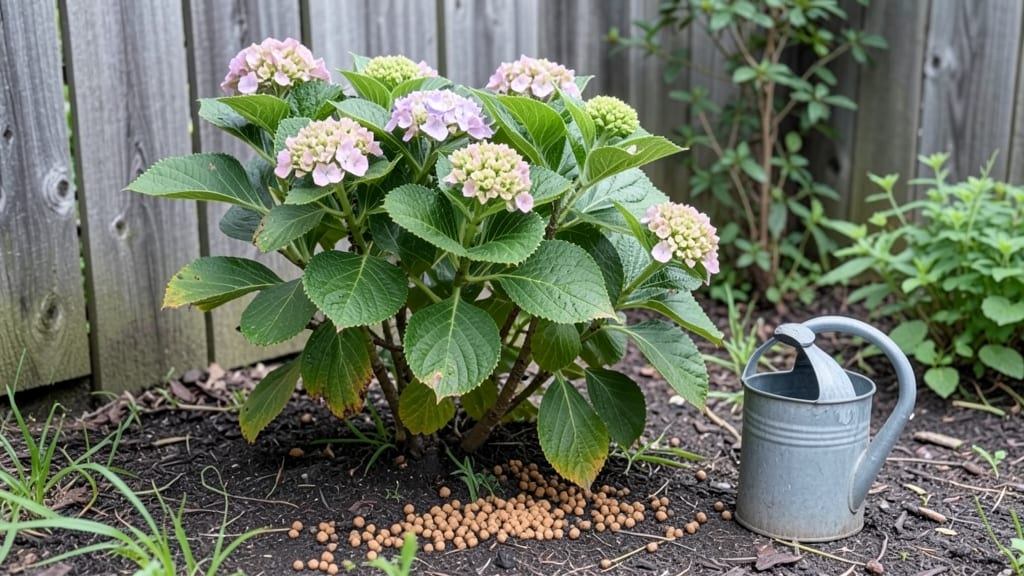
Hydrangeas are finicky about their growing conditions, and soil acidity is the real game-changer for their flower colors—blue blooms thrive in pH 5.2-5.5, while pink varieties prefer pH 6.0. 🌸 I’ve found that adding sulfur or aluminum sulfate to the soil can shift hues dramatically, but testing first with a simple pH kit saves guesswork.
Overwatering or poor drainage, on the other hand, can stress the plant and stunt blooms, so I always check for soggy roots before adjusting care.
Timing matters just as much as technique—pruning at the wrong time can mean fewer flowers next season. For mophead and bigleaf types, I trim right after blooming ends, while panicle hydrangeas get a late-winter haircut.
A thick layer of mulch also helps retain moisture and regulate soil temperature, which keeps those buds happy all summer long.
💡 In This Article
- Soil pH and Nutrients for Hydrangea Blooms
- Pruning and Watering Tips for Maximum Blooms
Soil pH and nutrients for hydrangea blooms
The secret to hydrangea flower color lies in the soil's acidity levels. These plants thrive in acidic conditions (pH 5.2-6.0), where aluminum becomes more available to the roots.
This mineral acts as a natural pH indicator—when soil is more acidic (pH 5.2-5.5), aluminum binds with pigments, producing stunning blue blooms.
Shift to pH 6.0 or higher, and the flowers turn pink or purple. 🌸 The transformation happens because aluminum ions interact with anthocyanin pigments in the petals, altering their color through a chemical process called "anthocyanin complexation."
Phosphorus is the nutrient that directly fuels blooming. Hydrangeas need high-phosphorus fertilizers (10-20-10 ratio) to develop strong flower buds. The science is simple: phosphorus helps the plant create energy-rich compounds (ATP) that power cell division in flower-forming tissues.
Organic options like bone meal or synthetic blends work, but timing matters—apply phosphorus in early spring when new growth begins. Overdoing nitrogen (common in lawn fertilizers) steals energy from blooms, leaving you with lush foliage but sparse flowers.
Testing your soil's pH is easier than you think. Grab a digital pH meter ($15-$25) or use pH test strips ($10 for 100)—both give accurate readings in minutes.
To adjust acidity, mix in elemental sulfur (1 pound per 100 sq ft) for lowering pH or lime (1/2 pound per 100 sq ft) to raise it.
For organic gardeners, pine needles or coffee grounds (acidic) work slowly but naturally. 💫 The key is patience—soil amendments take 4-6 weeks to fully integrate and affect pH.
Seasonal nutrient needs shift dramatically. In spring, focus on phosphorus and potassium to kickstart blooming. By summer, switch to a balanced fertilizer (10-10-10) to maintain growth, and in fall, apply a low-nitrogen, high-potassium blend (5-10-10) to harden stems for winter.
Synthetic fertilizers act faster but can burn roots, while organic options (compost, worm castings) release nutrients gradually. I’ve seen compost tea boost blooms by 30% in one season—just brew a 1:5 compost-to-water ratio and spray foliage weekly.
Don’t overlook micronutrients like magnesium and iron. Chlorotic (yellowing) leaves often signal deficiencies—hydrangeas need these minerals to produce chlorophyll and sustain flower development. A chelated iron supplement (like Iron Chelate) fixes yellowing in 2-3 weeks by making iron bioavailable.
For the best results, combine soil amendments with mulching (3-4 inches of shredded bark), which slowly acidifies soil while locking in moisture. 🌿 This two-pronged approach mimics the plant’s natural acidic forest-floor habitat.
Here’s a quick troubleshooting guide for common issues:
- Blue flowers turning pink: Soil pH has risen above 6.0—add sulfur and retest in 6 weeks.
- Small or sparse blooms: Too much nitrogen—switch to phosphorus-heavy fertilizer.
- Wilting despite watering: Poor drainage—amend with perlite or compost to improve aeration.
The most vibrant hydrangea blooms come from understanding these chemical relationships. Start with a soil test, amend as needed, and feed strategically—your plants will reward you with garden-center-worthy color that lasts all summer. 💫