
Blooming
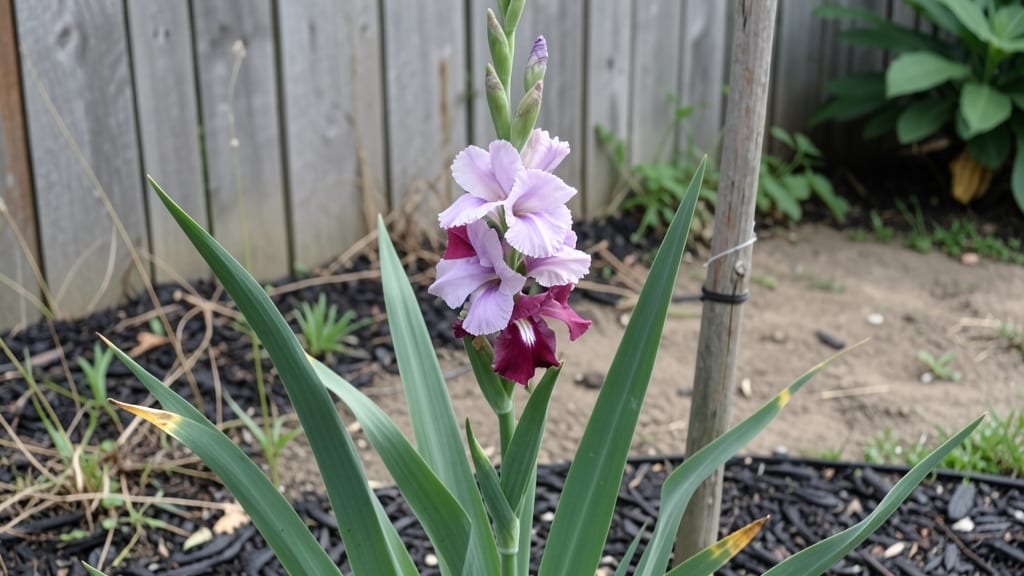
Timing matters because gladiolus flowers are sensitive to daylight changes—most varieties follow the natural shift from long summer days to shorter autumn ones, which triggers their blooming cycle. 🌿 I’ve noticed that cooler evenings in late summer often accelerate flowering, especially for heat-sensitive types, while tropical regions may see staggered blooms throughout September and October due to milder temperature swings.
For gardeners, this means planning ahead: early-season varieties planted in spring (when soil warms to 60°F+) will often reward you with June blooms, while late plantings in summer can push flowers into October.
The key is matching your local climate to the right cultivar—some, like the ‘Green Star’ series, are bred to bloom reliably in short-day conditions, making them ideal for extended displays.
💡 In This Article
- How Gladiolus Flowering Time Varies by Variety
- Best Months to Plant Gladiolus for Peak Blooms
How gladiolus flowering time varies by variety
The bloom window for gladiolus flowers isn't one-size-fits-all—it's dramatically influenced by cultivar selection. Tall varieties like 'Telemon' (reaching 5 feet) typically bloom 2-3 weeks later than shorter types such as 'Picasso' (3 feet), because taller stems require more energy to develop.
Color also plays a role: deep red varieties like 'Black Star' often bloom slightly earlier than pastel types like 'White Prosperity', due to pigment production demands. Here's what's actually happening: shorter, lighter varieties prioritize flowering over stem growth, while taller, darker ones delay blooming to build structural strength.
Daylength sensitivity is the real game-changer. Most gladiolus are short-day plants, meaning they bloom when daylight drops below 12-14 hours—typically triggering in late August in temperate zones. However, some tropical varieties like 'Nymph' are day-neutral, blooming regardless of daylight changes.
This explains why you might see June blooms in Florida (where days never get extremely short) versus October blooms in New England (where shorter days persist longer).
The USDA hardiness zones matter too: Zone 5 gardeners should plant early varieties in May for July blooms, while Zone 9 gardeners can extend blooms into November by planting in August.
Fast-blooming varieties like 'Green Star' (blooming 60-70 days after planting) are perfect for cut flowers, while extended-season types like 'Attraction' series (blooming 75-85 days) give you 3-4 weeks of continuous color.
The key factor is planting depth: corms planted 6 inches deep in well-drained soil will bloom 2 weeks earlier than those planted at 4 inches, because deeper planting protects against premature heat stress. 🌸 What most people don't realize is that the first flush of blooms often comes from the oldest corms in your garden—they've stored more energy for rapid flowering.
Color intensity also affects timing. Darker blooms like 'Black Knight' require more sunlight for pigment development, often delaying flowering by 5-7 days compared to lighter varieties. This is why gardeners in cloudy climates should choose pale colors like 'Alabaster' for reliable blooms.
The science behind this involves anthocyanin production—the pigments responsible for deep colors—which competes with the plant's energy for flowering. Here's a practical tip: if you want continuous blooms, plant a mix of early (June-July), mid (August), and late (September-October) varieties in staggered rows.
Consider these key factors when selecting varieties for your climate:
- Early bloomers: 'Green Star' (60 days), 'Picasso' (65 days) – ideal for June-July displays
- Mid-season: 'Attraction' series (75 days), 'Black Star' (80 days) – peak August blooms
- Late bloomers: 'Telemon' (85 days), 'Nymph' (90 days) – extend season to October
The most dramatic variations occur between tropical and temperate varieties. In USDA Zone 10, where winter temperatures never drop below 30°F, gladiolus can bloom year-round with proper moisture management.
Meanwhile, in Zone 4, gardeners must plant corms in May to ensure blooms before first frost—typically by mid-September. The secret to extending your bloom season? Choose varieties with 10-14 day staggered maturity windows—this creates overlapping blooms that keep your garden vibrant for 6-8 weeks.
Here's what's actually happening in your garden: gladiolus flowers are photoperiodic, meaning their internal clocks respond to changing daylight. When daylength drops below 13 hours, the plant's florigen protein production spikes, triggering bud formation.
This is why you'll often see gladiolus blooms align with the autumn equinox—nature's built-in timer. For gardeners in the Southern Hemisphere, this means blooms occur from February to April, exactly six months out of phase with Northern Hemisphere gardens. 🌍