
Blooming
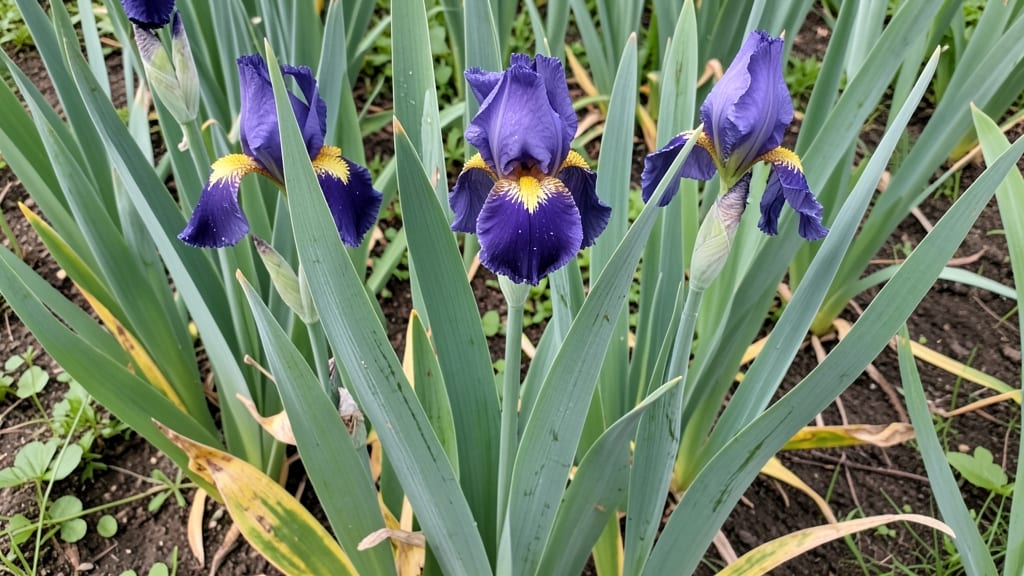
Timing isn't just about the calendar—it's about the growing conditions your irises experience. 🌸 Many gardeners swear by planting Siberian irises in early fall to ensure they bloom a full month earlier than their spring-planted counterparts.
The key is matching your location's last frost date with the iris variety's cold requirements, since some types need a solid chilling period before they'll push up those iconic sword-like leaves and buds.
Pro tip: If you're in a region with unpredictable springs, consider planting a mix of early and late bloomers. For example, Louisiana irises often hold onto their petals well into June, while Japanese irises might surprise you with a second flush of color in late summer if given proper care.
The right combination can turn your garden into a spring-to-summer color show!
💡 In This Article
- How Climate Zones Affect Iris Bloom Timing
- Best Iris Varieties for Extended Spring Color
How climate zones affect iris bloom timing
Here's what's actually happening beneath the soil: iris rhizomes and buds are exquisitely sensitive to temperature cues, particularly the transition from winter dormancy to active growth.
In USDA Zones 3-5 (think northern Midwest or New England), where winters are harsh, irises typically wait until after the last frost—often late May or early June—to bloom.
This delay occurs because the rhizomes need at least 4-6 weeks of consistent temperatures above 50°F to break dormancy and initiate flowering.
The science gets even more interesting when you consider altitude effects. At 3,000 feet or higher, like in Colorado or Utah, irises may bloom 2-3 weeks later than their lowland counterparts because cooler nighttime temperatures slow metabolic processes.
For example, a Siberian iris in Denver might flower in mid-June when the same variety in Phoenix blooms in early April. The reason? Higher elevations experience shorter growing seasons and more pronounced temperature swings that delay bud development.
Microclimates create wild variations too. Urban heat islands can push bloom times 10-14 days earlier in cities like Chicago compared to rural areas just 20 miles away. Coastal regions with maritime influence (like Seattle) often see delayed blooming because ocean breezes moderate temperatures and extend chill periods.
Meanwhile, Mediterranean climates (Zone 9-10) might see two bloom cycles per year—one in early spring and another in fall—due to mild winters and consistent moisture.
What most people don't realize is how soil temperature factors in. Iris rhizomes need soil to reach 55-60°F before they'll send up shoots. In Zone 8-10 areas, this happens by February or March, while Zone 5 gardens might not see this until mid-April.
That's why gardeners in warmer zones often get frustrated when their irises bloom too early—sometimes before the last frost—leaving them vulnerable to late-season cold snaps.
Consider these key factors when planning your garden:
- Zone 3-5: Expect blooms from late May to June; plant early varieties like 'Katherine Hodgkin' for earliest color
- Zone 6-7: Peak bloom occurs mid-April to early May; Siberian irises shine here with their early timing
- Zone 8-10: Blooms may start as early as February; Louisiana irises thrive in humidity and heat
The most dramatic exceptions occur with Japanese irises, which often bloom 2-3 weeks later than other varieties in the same zone. This is because their native habitat in Japan experiences more pronounced seasonal shifts.
For gardeners in transition zones (like Zone 7b), this means you might see bearded irises in April but Japanese irises lingering into June—nature's built-in color extension!
Here's the takeaway: while April-May is the "typical" window, your actual bloom timing could vary by 6 weeks or more depending on these factors. The good news? With the right variety selection and microclimate awareness, you can create a garden that blooms from March through July without gaps. 🌸