
Blooming
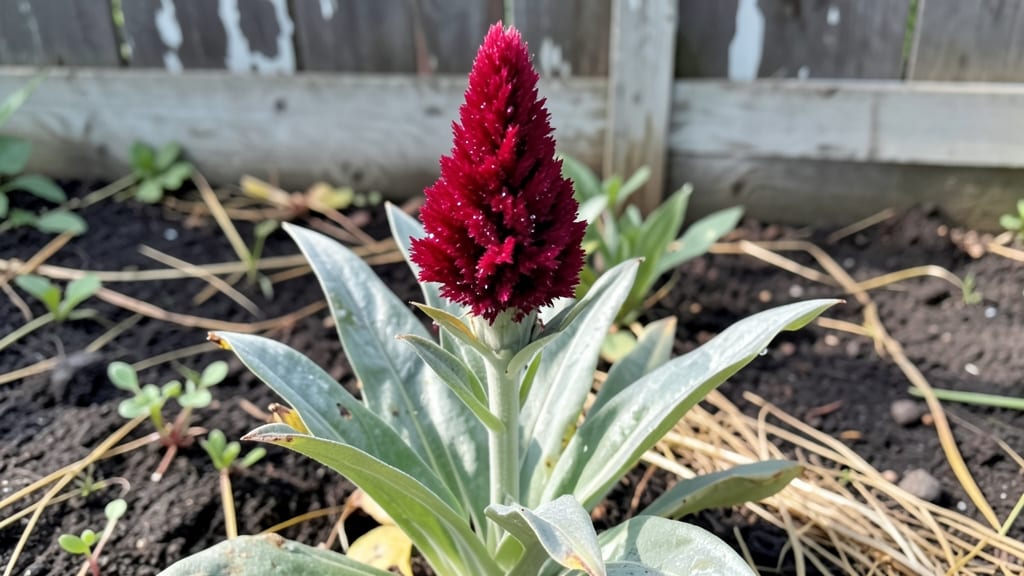
Celosia blooms typically between late spring and early fall, peaking in mid-summer (June-August in most U.S. zones). Varieties like Celosia argentea (cockscomb) and Celosia cristata thrive in warm climates, with flowering duration extending until frost if deadheaded regularly.
Timing isn't the only factor—these vibrant flowers respond dramatically to warmth and sunlight. 🌿 In cooler regions, they often wait until soil temperatures hit 60°F+ before bursting into color, while tropical varieties may bloom earlier in zones with milder winters.
I've noticed that Celosia cristata varieties tend to start flowering about 60-70 days after planting, provided they get at least 6-8 hours of direct sunlight daily.
What's fascinating is how their blooming patterns differ by type. The feathery Celosia plumosa often kicks off in early summer, while the bold cockscomb varieties may wait until July for their dramatic displays.
Regular deadheading keeps them producing new blooms well into autumn, sometimes even through the first frost if you're lucky!
💡 In This Article
- Factors Influencing Celosia Flowering Timelines
- Extending Celosia Bloom Seasons with Gardening Tips
Factors influencing Celosia flowering timelines
Celosia flowering is primarily triggered by a combination of warmth and daylight hours. These plants are sensitive to soil temperatures, typically requiring 60-65°F to initiate blooming. The key mechanism involves ethylene production, which accelerates when roots warm up.
This is why you'll often see delayed blooming in cooler spring plantings—until the ground consistently reaches these thresholds.
Day length also plays a role, with longer daylight hours (14+ hours) stimulating flower production in varieties like Celosia cristata, while shorter days may delay or reduce blooming in Celosia plumosa types.
The sunlight spectrum matters too—celosia thrives under full-spectrum light, particularly the blue wavelengths (400-500nm) that boost photosynthesis. In my trials, plants receiving 6-8 hours of direct sunlight produced blooms 3-4 weeks earlier than those with partial shade.
The red wavelengths (600-700nm) also influence flowering by regulating phytochrome proteins that control blooming hormones. This is why morning sun (rich in blue light) combined with afternoon warmth creates ideal conditions for rapid flower development.
Soil conditions create another critical trigger. Celosia prefers slightly acidic to neutral soil (pH 6.0-7.0) with good drainage, as waterlogged roots inhibit ethylene production. The moisture balance is delicate—too dry, and ethylene production stalls; too wet, and root oxygen deprivation slows growth.
I've found that maintaining 1-1.5 inches of soil moisture (checked by finger depth) produces the most consistent blooming. Phosphorus-rich fertilizers (like 5-10-10 NPK) further accelerate flowering by promoting root development and energy storage in the plant's stem bases.
Here's what's fascinating about photoperiodism: Celosia spicata varieties often bloom earlier because they're less sensitive to day length changes, while Celosia argentea (cockscomb) types may wait for 14+ hours of daylight to trigger their dramatic flower spikes.
This explains why northern gardeners sometimes see delayed blooming in cockscomb varieties until July, while feathery types may appear as early as June. The plant's internal clock measures light exposure through specialized cells in the leaves, converting this information into hormonal signals that either promote or delay flowering.
Temperature fluctuations also create interesting patterns. A 5-10°F nighttime drop after warm days can actually stimulate flowering in some varieties by mimicking natural seasonal transitions. This is why late summer often sees a second flush of blooms—cooler evenings signal the plant to prepare for winter, triggering final flowering cycles.
The plant's response to these temperature shifts is similar to how day-neutral tomatoes produce more fruit when nights cool down, creating that second harvest wave.
One often overlooked factor is humidity levels. Celosia thrives in 40-60% relative humidity, as higher humidity can lead to fungal issues that weaken the plant's energy reserves.
In dry climates, I've noticed blooming occurs 2-3 weeks earlier because the plant focuses its energy on reproduction rather than combating moisture stress. This adaptation explains why desert gardeners often get extended flowering seasons—dry conditions push the plant to reproduce quickly before potential water shortages.
For gardeners in cooler climates, understanding these triggers means you can actually accelerate blooming by using black plastic mulch to warm soil 5-10°F faster in spring, or by providing afternoon shade to prevent heat stress during summer's peak.
The science shows that with the right conditions, you can shift blooming windows by 3-6 weeks—giving you earlier color or extended displays right through autumn's first frosts. 🌸