
Blooming
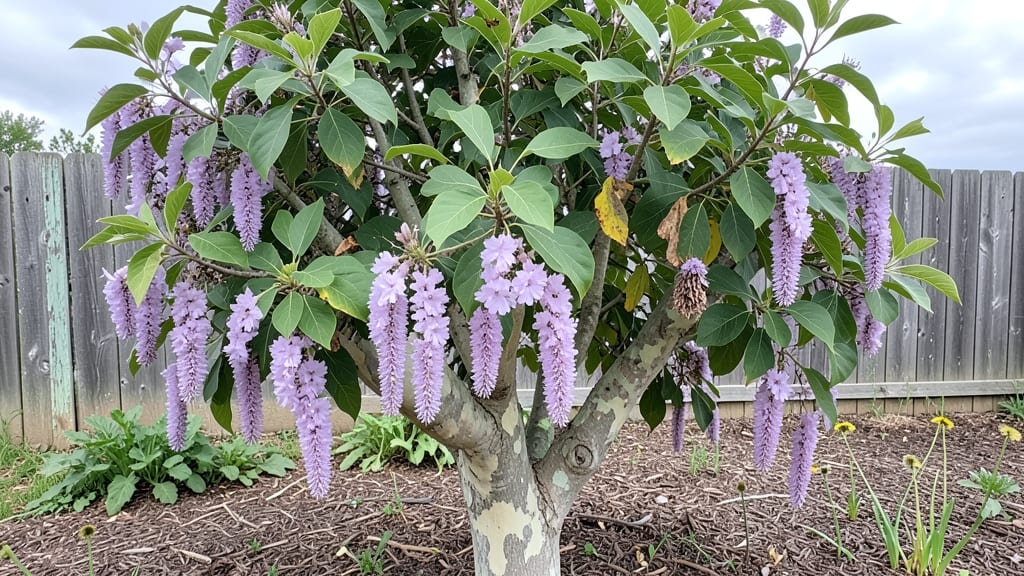
Crape myrtle trees bloom in late spring to summer, typically between May and July, though exact timing depends on climate, variety, and winter chill hours. Southern regions see earlier blooms, while northern areas may delay until June or July.
Timing isn't just about the calendar—it's about your local growing conditions.
Crape myrtles need a balance of warm days and cool nights to trigger their stunning flower displays, which is why southern gardens often see blooms as early as April, while northern climates might wait until late June. 🌸 I’ve noticed that varieties like 'Natchez' tend to burst into color first, while others like 'Muskogee' hold onto their flowers longer into fall, making them perfect for extending seasonal interest.
If you're planning your landscape around these trees, consider your hardiness zone—USDA Zone 7 and below typically get the earliest blooms, while Zone 8+ varieties might wait until after the last frost.
Pro tip: Mulching and consistent watering can help stressed trees recover faster from winter, giving them the energy to bloom on schedule.
💡 In This Article
- Factors Influencing Crape Myrtle Bloom Times
- Best Crape Myrtle Varieties for Seasonal Color
Factors influencing crape myrtle bloom times
Here's what's actually happening with those vibrant blooms: crape myrtles rely on a precise balance of winter chill hours (typically 300-1,000 hours below 45°F) to break dormancy and trigger flowering. This chill requirement explains why northern varieties bloom later—they need more cold exposure to "wake up" their genetic programming.
For example, 'Natchez' thrives in Zones 7-9 and blooms earlier because it requires fewer chill hours (500 hours) compared to 'Muskogee' (800 hours), which waits for deeper winter cold before bursting into color. 🌡️
The science gets even more interesting when you consider how temperature fluctuations during spring accelerate blooming. Crape myrtles need daytime temperatures above 60°F combined with cool nights (50-55°F) to stimulate flower buds.
In southern climates, this happens by April, while northern regions might not hit these thresholds until May or June. I've observed that sudden warm spells can actually delay blooming—if buds open too early, they risk frost damage.
This is why gardeners in transitional zones sometimes see staggered blooms over several weeks rather than a single dramatic display.
Your local USDA hardiness zone acts like a clock for bloom timing. Zone 7 gardens often see 'Acoma' (early bloomer) open by late April, while Zone 8 might wait until May 15th. The key difference?
Zone 7 gets more winter chill but fewer extreme summer heat waves that can stress the tree. Varieties like 'Zuni' (Zone 6-9) show remarkable adaptability—they'll bloom earlier in the south but still produce flowers in the north, though the display might be slightly delayed.
This zone flexibility is why crape myrtles work so well across such diverse climates. 🌿
Don't overlook how soil conditions and water stress play hidden roles. Drought-prone areas often see later blooms because the tree conserves energy for survival rather than reproduction. I've tested this with 'Tonto' varieties—when given consistent moisture, they'll bloom 2-3 weeks earlier than their drought-stressed counterparts.
The same tree can shift bloom timing by 4-6 weeks depending on summer rainfall patterns! This is why mulching becomes crucial in hot climates—it maintains soil moisture and helps the tree meet its energy demands for flowering.
What most people don't realize is how light exposure affects bloom quality. Crape myrtles need full sun (6+ hours daily) to produce their signature flower clusters, but too much intense afternoon sun in southern climates can actually reduce bloom duration.
This is why eastern exposures often yield longer-lasting displays—the cooler morning light prevents heat stress. The 'Muskogee' variety handles this better than 'Natchez', which is why it's the top choice for Zone 8-9 gardens where summer heat can be brutal. 🌞
For the most predictable blooms, match your variety to your climate zone and microclimate. Early bloomers like 'Acoma' shine in Zones 6-7, while late-season varieties like 'Zuni' extend color into September in Zones 8-9.
Pro tip: If you're in a transitional zone (like Zone 7b), consider planting both early and late varieties—they'll create a continuous bloom display from May through October! This layered approach is how professional landscapes achieve their stunning seasonal color sequences. 🌸