
Blooming
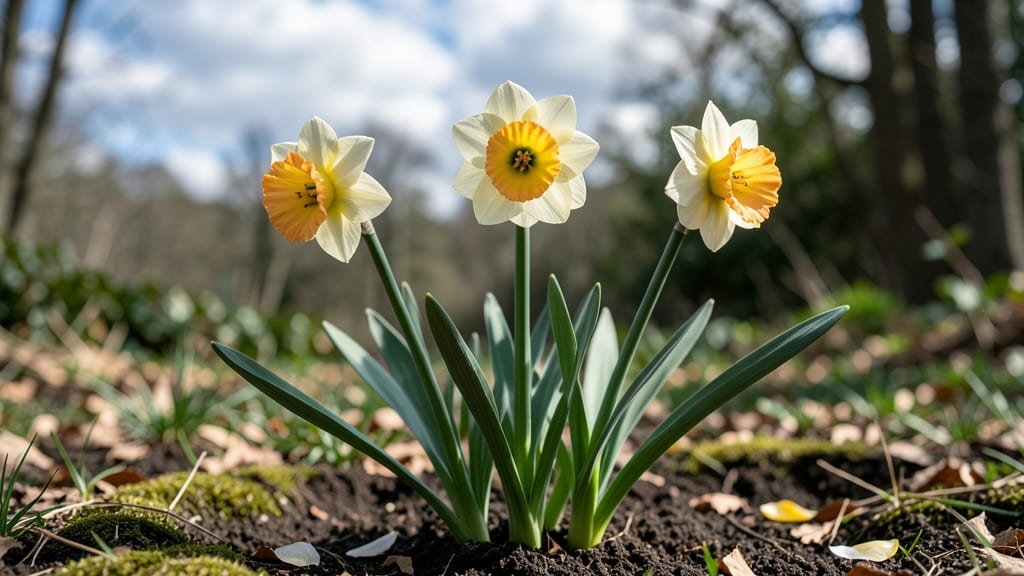
Daffodils in Michigan bloom between late March and early May, with timing depending on your hardiness zone and the variety you plant 🌼.
Michigan gardeners know timing is everything—especially when planting frost-resistant daffodils that must survive brutal winters before bursting into spring color.
If you’ve ever waited impatiently for those bright yellow trumpets to appear, only to watch them wilt under a late frost, you’re not alone.
Below, I break down the exact bloom windows for zones 5b-6b, the best early varieties for Michigan’s climate, and how to extend their season without risking frost damage.
Michigan daffodil bloom timeline by USDA hardiness zones
Michigan’s USDA Hardiness Zones 4-6 create unique bloom windows for daffodils, where early varieties can push through snow while late bloomers wait for warmer soil. Understanding these zones helps you plant bulbs at the perfect time—6-8 weeks before the first frost—to ensure vibrant spring displays.
The key? Frost dates vary wildly between northern Zone 4 and southern Zone 6, so timing matters.
In Zone 4 (northern Michigan), daffodils often bloom 2-3 weeks later than in Zone 6 (southern Michigan). Early bloomers like 'Ice Follies' may appear as early as late March in Zone 6, while late varieties like 'Salome' might wait until mid-May in Zone 4.
This variation means your planting window shifts from September in Zone 6 to October in Zone 4.
Here’s the month-by-month breakdown of when to expect blooms—and when to plant—across Michigan’s zones:
| Zone | Early Varieties Bloom | Mid Varieties Bloom | Late Varieties Bloom | Planting Window |
|---|---|---|---|---|
| Zone 4 | Late April | Early May | Mid-May | October 1–15 |
| Zone 5 | Early April | Mid-April | Late April | September 15–October 1 |
| Zone 6 | Late March | Early April | Mid-April | September 1–15 |
🌼 Bloom windows shift 2-3 weeks earlier in warmer zones
For Zone 4 gardeners, early bloomers like 'Tête-à-Tête' (dwarf variety) often push through snow cover in late April, while Zone 6 gardeners might see 'Carlton' (bright yellow) as early as late March.
The trick? Plant early varieties first in fall to ensure they get a head start. Late bloomers like 'Salome' (pink) thrive in cooler zones and reward patience with longer vase life.
Michigan’s unpredictable spring frost dates mean you should also consider microclimates. A south-facing slope in Zone 5 might bloom 10 days earlier than a shaded valley. To extend your bloom season, plant a mix of early, mid, and late varieties—this creates a staggered display from March through May.
For example, 'February Gold' (early) + 'Thalia' (mid) + 'Peach Sorbet' (late) ensures color from late March to early May.
If you’re planting in fall, aim for 6-8 weeks before the first frost. In Zone 6, that’s early September; in Zone 4, wait until mid-October.
Bulbs need time to develop roots before winter, so don’t rush! Well-draining soil is critical—Michigan’s clay-heavy soils can cause rot if bulbs sit in soggy conditions. Amend with compost or sand to improve drainage, especially in low-lying areas prone to spring flooding.
One common mistake? Planting too shallow. Daffodil bulbs should go 6-8 inches deep—deeper in Zone 4 to protect against heaving (when soil freezes and pushes bulbs up). Use a bulb planter or trowel to dig holes, then cover with mulch (2-3 inches) after planting to insulate roots
How to choose early-blooming daffodils for Michigan gardens
Michigan’s unpredictable spring weather makes early-blooming daffodils a gardener’s best friend. These hardy bulbs push through snow and frost to deliver cheerful yellow and white blooms as early as late March.
Choosing the right varieties ensures your garden gets that spring color rush before other flowers even think about waking up.
Not all daffodils thrive in Michigan’s USDA Zones 4-6. You need varieties that can handle sub-zero temperatures and still bloom reliably. The key is selecting frost-resistant cultivars like 'Ice Follies' or 'Tête-à-Tête'—these are proven winners in Michigan gardens.
Let’s break down what makes them perfect for your climate and how to plant them for maximum impact.
Early-Blooming Daffodils in Michigan
Pros
- Frost tolerance: Survive -20°F winters
- Early blooms: March-April color
- Low maintenance: Drought-resistant once established
- Deer-resistant: Toxic to deer and rabbits
- Perennial: Return yearly with proper care
Cons
- Slow establishment: May take 2-3 years for full blooms
- Bulb rot risk: Requires well-draining soil
- Limited color: Most early types are yellow/white
- Short bloom time: Only 2-3 weeks of flowers
- Squirrel magnets: Bulbs may get dug up
💡 Tip: Plant bulbs in clusters of 5+ for dramatic early-season impact and better frost protection.
For Michigan gardens, I recommend starting with these top 3 early-blooming varieties: 'Ice Follies' (pure white, 12-18 inches tall), 'Tête-à-Tête' (miniature, perfect for containers), and 'Carlton' (bright yellow, 18-24 inches).
These three handle Michigan’s late frosts better than most because they bloom earlier than tulips and can take light frost without damage.
When planting, focus on well-draining soil—Michigan’s heavy clay can suffocate bulbs. Amend your soil with compost or sand if needed, and plant bulbs 6-8 inches deep in September or October.
This gives roots time to establish before winter while protecting them from early freezes. A thin layer of mulch (2-3 inches) after planting helps insulate bulbs through Michigan’s harsh winters.
Sunlight is non-negotiable for early blooms. Daffodils need at least 6 hours of full sun daily. In Michigan’s short growing season, this means placing them in south-facing beds where they’ll get maximum light.
If your garden has partial shade, choose dwarf varieties like 'Tête-à-Tête'—they’ll still bloom but may produce slightly smaller flowers. Avoid planting near large trees that compete for nutrients and cast deep shade.
One common mistake Michigan gardeners make is over-fertilizing in fall. Too much nitrogen encourages leafy growth that weakens bulbs before winter. Instead, use a balanced 5-10-10 fertilizer in early spring when shoots emerge. This timing gives your daffodils the energy they need for robust blooms without risking winter damage.
Water deeply after planting and once more in spring when shoots reach 4-6 inches tall—this is all the moisture most Michigan varieties need.
With the right varieties and care, your Michigan garden can burst into early spring color that brightens even the gloomiest March days. The key is planting early, choosing frost-hardy types, and giving them the sun and soil they crave.
Once established, these daffodils will multiply and reward you for years with minimal effort—just cut back faded blooms and let nature do the rest. 🌼