
Blooming
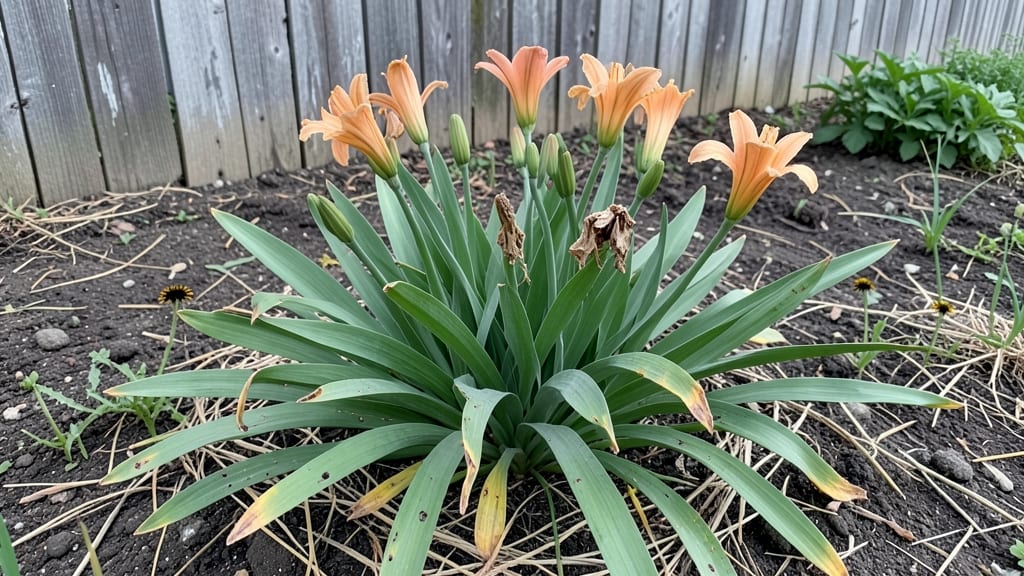
Daylilies stop blooming in late summer to early fall, typically between August and October, as cooler temperatures and shorter daylight trigger their natural dormancy cycle. Pruning spent blooms extends minor reblooming in some varieties.
This seasonal shift isn't just about cooler weather—daylilies respond to photoperiod changes, where shrinking daylight hours signal their bodies to conserve energy for winter. 🌿 Some varieties, like the popular 'Stella de Oro', actually bloom sporadically all season, but most traditional types follow this predictable pattern.
The key difference lies in their hardiness zones, with northern climates seeing earlier dormancy than southern regions.
💡 In This Article
- Daylily Blooming Cycle Explained
- Reviving Daylilies After Blooming Season
Daylily blooming cycle explained
The daylily's blooming pause begins with a hormonal cascade triggered by two key environmental cues: daylight duration and temperature shifts.
As daylight drops below 14 hours (typically in late August), the plant's phytochrome receptors detect shorter photoperiods and signal the production of abscisic acid, a stress hormone that halts flower bud formation.
This process is similar to how poinsettias bloom in response to specific light cycles, but daylilies have evolved a more gradual transition. 🌞
Temperature plays an equally critical role—daylilies native to USDA zones 3-9 begin their dormancy when nighttime temperatures consistently dip below 60°F. In cooler northern climates (zones 3-5), this can happen as early as mid-August, while southern varieties (zones 8-9) may continue blooming until October.
The plant's leaves also start converting starches back into sugars for winter storage, which visibly reduces their vibrant green color to a more muted yellow-green by late September.
What most gardeners don't realize is that daylilies use this dormancy period to recharge their energy reserves. The rhizomes (underground stems) become more dormant as they store carbohydrates, which will fuel next year's growth.
This biological strategy explains why forcing blooms through heavy fertilization during dormancy often results in weak, sparse flowers the following season. The plant prioritizes survival over showiness when its energy systems are depleted. 🌱
Reblooming cultivars like 'Happy Returns' or 'Pardon Me' defy this pattern through selective breeding that modifies their photoperiod sensitivity. These varieties produce auxin hormones (growth regulators) that allow limited flower production even as daylight shortens.
However, their blooming is typically 50-70% less abundant than their single-bloom counterparts, and the flowers often appear smaller and less vibrant. The trade-off is worth it for gardeners in short-season climates who want color beyond the traditional summer window.
Climate variations create dramatic differences in blooming patterns. In Pacific Northwest regions, where summers are cool and damp, daylilies may begin their dormancy by early September, while Southern California varieties might continue blooming until November due to extended warm temperatures.
Even within the same zone, microclimates matter—daylilies near large bodies of water often bloom 1-2 weeks later than those in inland areas due to moderated temperature swings. 🌊
Here's what's actually happening at the cellular level: As daylight shortens, the plant's meristem cells (growth points) transition from producing flowers to forming scale leaves that protect the dormant buds.
This process is controlled by a complex interplay of florigen proteins (which promote flowering) and DAM (DORMANCY-ASSOCIATED MADS-box) genes that suppress growth. The result is a visible "browning" of the flower stems as the plant prepares for winter, a clear sign that the blooming cycle has reached its natural conclusion.