
Blooming
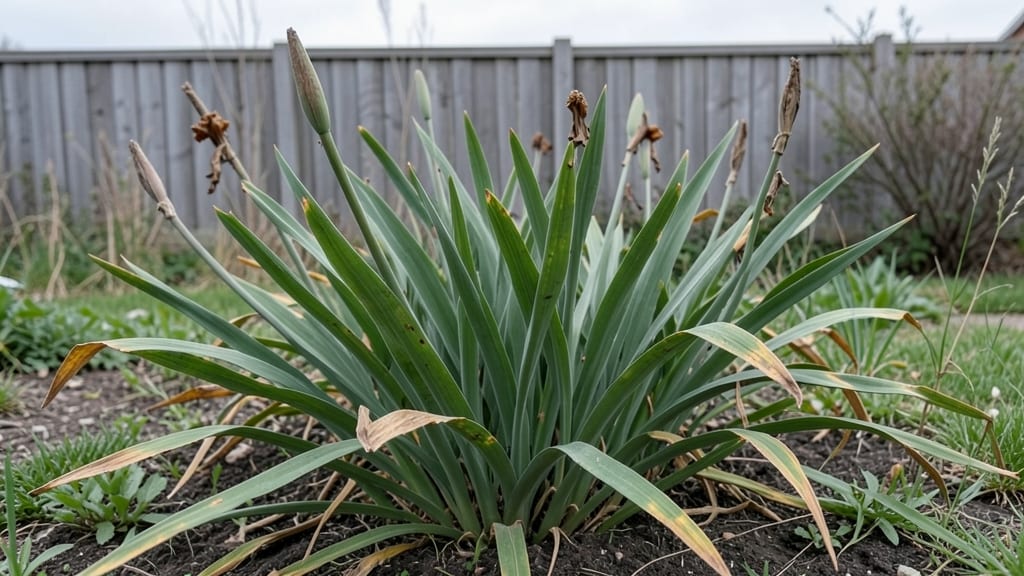
Daylilies stopped blooming, and I’ve seen it happen more than I’d like to admit—until I figured out the hidden triggers. 🌿 The good news? Most of the time, it’s not a death sentence, just a sign your plants need a little adjustment.
Whether it’s overzealous pruning, inconsistent watering, or a nutrient hangover from last season, the fixes are simpler than you think.
Here’s the thing—daylilies are tough, but even the hardiest plants need the right balance. Too much shade? They’ll focus on leaves, not blooms. Too much fertilizer? They’ll go wild with foliage instead of flowers.
And if you’ve let them sit undivided for years, the center might just give up entirely. The solution isn’t complicated: it’s about timing, feeding, and a little strategic trimming.
By the time you’re done, you’ll have a plan that gets those buds popping again within weeks. Picture it: vibrant blooms in every color, from deep burgundy to sunny yellow, all summer long.
The key is acting now—before the clumps get too crowded or the soil gets too tired to support them.
Works for both old garden clumps and new plantings, and it’s foolproof once you know the tricks. Let’s get those daylilies back in the spotlight!
The Hidden Reasons Behind Fading Blooms
When your daylilies (Hemerocallis spp.) suddenly stop producing their vibrant flowers, it’s often a sign that something fundamental is out of balance. Understanding the root causes—whether environmental, biological, or cultural—is the first step to restoring those cheerful blooms.
Below, we break down the most common culprits, backed by science and actionable insights to help you diagnose (and fix!) the issue.
🌡️ Extreme or inconsistent temperatures
Daylilies thrive in USDA Zones 3–9, but they’re sensitive to temperature swings. Both heat stress and late-season cold snaps can disrupt flowering by interfering with their natural dormancy and growth cycles.
- Too much heat: Temperatures consistently above 90°F (32°C) can cause bud abortion—the plant stops developing flowers due to metabolic stress. High heat also speeds up water loss, leading to dehydration in the rhizomes (underground stems).
- Late frosts: If flowers form in early spring but are hit by a 28°F (-2°C) freeze, they’ll blacken and drop. Even if the plant survives, it may delay or skip blooming that season to focus on root recovery.
- Cold shock: Daylilies need 6–8 weeks of cooler temps (below 70°F/21°C) in late summer/fall to trigger blooming hormones. If summer stays too warm, they may never "know" it’s time to flower.
💡 Pro Tip: Monitor your local microclimate—urban areas or south-facing gardens can be 10°F+ hotter than rural spots. Use shade cloth (30–50%) during peak summer to protect plants without stunting growth.
💧 Watering woes: too much or too little
Daylilies are drought-tolerant once established, but water stress—either from overwatering or neglect—directly impacts blooming. Here’s how:
| Issue | How It Affects Blooms | Fix It Now |
|---|---|---|
| Underwatering | Rhizomes shrink, reducing energy storage for flower buds. The plant prioritizes survival over reproduction. | Water deeply 1–2 times per week (1 inch/2.5 cm total) during dry spells. Mulch with 2–3 inches of straw to retain moisture. |
| Overwatering | Soggy soil leads to root rot (Phytophthora), which starves the plant of nutrients. Weak roots = fewer blooms. | Ensure well-draining soil (amend with compost or perlite). Water only when the top 2 inches of soil are dry. |
| Irregular watering | Fluctuating moisture confuses the plant’s growth signals, causing buds to drop before opening. | Stick to a consistent schedule—daylilies hate "feast or famine" watering. |
🌡️ Science Note: Daylilies absorb water through their rhizomes, not just leaves. If the soil is too wet, oxygen can’t reach the roots, triggering anaerobic conditions that produce ethylene gas—a plant stress hormone linked to bud drop.
⚗️ Nutrient imbalances: starving or overfeeding
Daylilies are heavy feeders, but too little or too much of the wrong nutrients can halt flowering. The key offenders:
- Low phosphorus (P): Phosphorus fuels flower development. A deficiency (yellow/purple stems, slow growth) means the plant diverts energy to leaves instead of blooms.
- Excess nitrogen (N): Too much N (lush green foliage, no flowers) tricks the plant into prioritizing vegetative growth over reproduction. Common with fresh manure or over-fertilizing.
- Potassium (K) deficiency: Weakens the plant’s ability to transport sugars to flower buds, leading to small or absent blooms.
📊 Soil Test Tip: Aim for a balanced NPK ratio (e.g., 10-10-10 or 5-10-10) in early spring. For a quick fix, side-dress with bone meal (3-4-0) or a low-nitrogen bloom booster like 5-10-10.
✨ Bonus: Daylilies also need micronutrients like magnesium (for chlorophyll) and boron (for cell wall strength). A chelated iron or Epsom salt spray (1 tbsp/gallon) can help if leaves yellow between veins.
🪰 Overcrowded or aging rhizomes
Daylily rhizomes naturally deplete their energy stores over 3–5 years. When they’re overcrowded or past their prime, they focus on reproducing vegetatively (sending up new shoots) instead of flowering.
- Signs of overcrowding:
- Smaller, fewer blooms
- Leaves growing in a tight circle (like a "doughnut")
- Rhizomes pushing above soil level
- Why it happens: Each rhizome has a limited energy budget. In dense clumps, competition for sunlight and nutrients forces the plant to "choose" between blooms and new growth.
🔪 Fix It: Divide and conquer! Every 3–4 years, dig up clumps, separate the rhizomes (keep only the plump, firm ones), and replant. Discard woody, shriveled, or hollow rhizomes—they’re past their prime.
💡 Pro Tip: Divide in early spring or fall when the plant is dormant. Water thoroughly before and after to reduce transplant shock.
🐜 Pests and diseases stealing resources
Hidden invaders can sap energy from your daylilies, leaving them too weak to bloom. Watch for these culprits:
| Pest/Disease | Damage | Solution |
|---|---|---|
| Daylily Rust (Puccinia hemerocallidis) | Orange pustules on leaves; weakens plant by blocking photosynthesis. | Remove infected leaves immediately. Apply neem oil or copper fungicide in early spring. |
| Daylily Borer (Coccyxenora gaujoni) | Larvae chew rhizomes, causing wilting or no blooms. | Handpick larvae (they’re pink with black heads) or treat soil with Bt (Bacillus thuringiensis) in late
Reviving your daylilies showtimeIf your daylilies have gone quiet and stopped blooming, don’t panic—there’s almost always a fix! The key is identifying the root cause and taking action with practical, garden-friendly solutions. Below, we’ve mapped out the most common reasons your daylilies might be holding back on blooms, along with step-by-step fixes to get them back in full color. 🌸 🌱 Overcrowded Roots? Thin Them OutDaylilies multiply quickly, and when they get too crowded, they focus energy on spreading instead of blooming. Solution:
☀️ Not Enough Sun? Move or AdjustDaylilies are sun lovers and need at least 6–8 hours of direct sunlight daily. Too much shade slows growth and reduces blooms. Solution:
💧 Water Woes? Balance the MoistureToo much or too little water can stress daylilies and stunt blooms. They’re drought-tolerant but thrive with consistent moisture. Solution:
🍽️ Poor Soil Nutrition? Feed Them RightDaylilies are low-maintenance but benefit from balanced fertilization. Lack of nutrients (especially phosphorus and potassium) can lead to fewer blooms. Solution:
✂️ Deadheading Neglect? Keep It TidyDaylilies are unique because they don’t need deadheading to rebloom, but removing spent blooms can encourage a second flush of flowers. However, if you’ve been lazy about it, over time, the plant may redirect energy elsewhere. Solution:
🐞 Pest or Disease Pressure? Treat EarlyPests like aphids, slugs, or diseases like leaf spot can sap energy from your daylilies, leading to poor blooming. Solution:
With these fixes, your daylilies should be back to their vibrant, blooming best in no time! 🌺 Start with the most likely cause, and don’t forget to give your plants a little TLC—consistency is key. Happy gardening! Frequently asked questions
1
Why are my daylilies suddenly producing so few blooms?Daylilies often stop blooming due to overcrowded roots or nutrient deficiencies. When rhizomes get too packed, they compete for resources, prioritizing leaf growth over flowers. Check if your clumps are dense—if leaves form a tight circle, it’s time to divide them. Also, test your soil for phosphorus levels, as low phosphorus directly impacts flower development.
2
How can I encourage my daylilies to bloom again after years of neglect?Give your daylilies a fresh start by dividing the clumps every 3-4 years. Dig up the plant, separate the healthy rhizomes (discarding any woody or shriveled ones), and replant them with 18-24 inches of space between each. After dividing, fertilize with a low-nitrogen bloom booster like 5-10-10 to kickstart new blooms.
3
Is it too late to fix my daylilies if they stopped blooming last season?Not at all! Even if blooms were missed last year, early spring or fall is the perfect time to act. Focus on dividing overcrowded clumps, improving soil drainage, and applying a balanced fertilizer. With these adjustments, you’ll likely see new buds forming within 6-8 weeks.
4
Can over-fertilizing actually cause my daylilies to stop blooming?Too much nitrogen (like from fresh manure) encourages leafy growth while starving blooms. Switch to a low-nitrogen, high-phosphorus fertilizer (like 5-10-5) to redirect energy toward flowers. Always follow package rates to avoid overdoing it—daylilies are tough but not immune to fertilizer burn! |