
Blooming
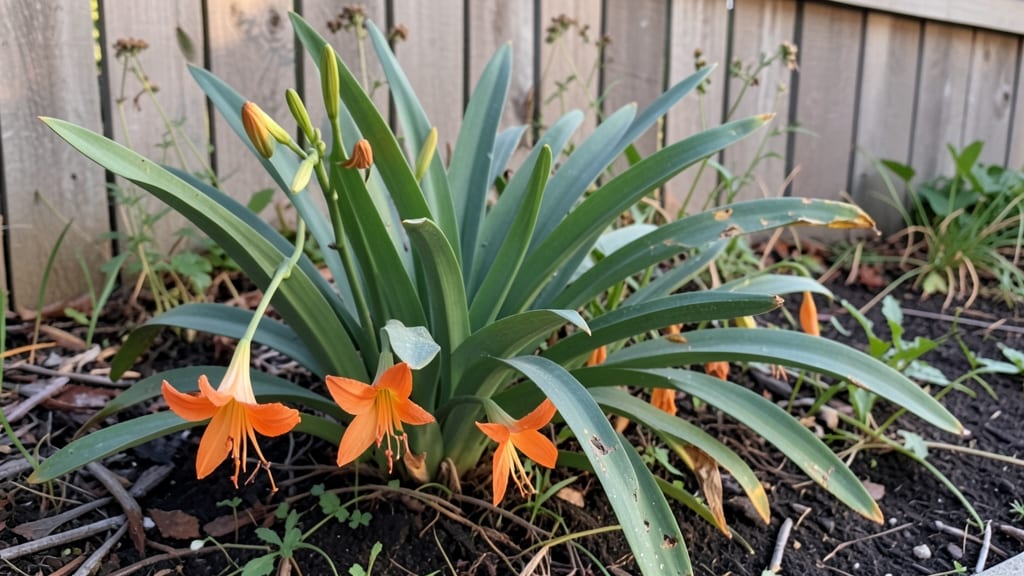
Ditch lilies bloom in late spring to early summer, typically between May and July, thriving in USDA zones 3-9 with full sun exposure and moist soil conditions. Their vibrant orange flowers appear after foliage emerges, lasting 4-6 weeks per season.
Timing isn’t just about the calendar—ditch lilies respond to daylight cues, typically needing 12-14 hours of sunlight daily to trigger blooms.
Warmer temperatures (60-75°F) kickstart their growth, but late frosts can delay them in cooler zones like 3-5. 🌸 What’s fascinating is how soil moisture plays a role: too dry, and they’ll skip flowering entirely, while soggy conditions can rot their rhizomes before they even bloom.
If you’re in USDA zones 6-9, expect peak blooms in early June, while northern gardeners (zones 3-5) might see them a week or two later. Pro tip: Plant in well-draining soil with partial shade in hot climates—this extends their bloom window by 2-3 weeks compared to full-sun plantings.
💡 In This Article
- Ditch Lily Bloom Cycle Explained
- Best Planting Zones for Year-Round Ditch Lily Growth
Ditch lily bloom cycle explained
Here's what's actually happening underground and above: ditch lilies rely on a precise combination of daylight hours and soil temperature to trigger their bloom cycle. These perennials are day-neutral but respond strongly to increasing daylight—typically needing 12-16 hours of light daily to shift from vegetative growth to flowering.
The key threshold occurs when average nighttime temperatures consistently stay above 50°F (10°C), signaling to the plant's rhizomes that winter has passed. 🌱
What most people don't realize is how soil moisture regulates this process. Ditch lilies store energy in their thick, fleshy rhizomes during dormancy, but they need consistent moisture (1-1.5 inches per week) to convert these reserves into flower buds.
Too little water, and the plant conserves energy by producing more foliage; too much, and fungal diseases like rhizome rot can prevent blooming entirely. The ideal moisture level creates a balance that typically results in peak flowering 4-6 weeks after consistent warmth arrives.
Climate zones dramatically shift the timing. In USDA zones 6-9, where winters are mild, blooms often appear by mid-May when soil temperatures reach 55°F (13°C). But in colder zones (3-5), late frosts can delay flowering until late June, sometimes even July.
This variation explains why some gardeners in zone 4 report blooms that last only 3 weeks while zone 8 growers enjoy 7-week displays—the longer growing season allows for extended flowering.
There's also a fascinating early vs. late bloomer dynamic within the species. Hemerocallis fulva (the common orange ditch lily) typically blooms 2-3 weeks earlier than Hemerocallis lilioasphodelus (the yellow ditch lily), due to subtle genetic differences in their vernalization requirements (the cold period needed to trigger flowering).
This means if you plant both varieties, you can extend your orange-yellow bloom window from May through early August—a gardener's dream for continuous color. 🌿
The bloom cycle doesn't stop when the flowers fade. After flowering, ditch lilies enter a post-bloom recovery phase where they focus on replenishing rhizome energy stores. This explains why they often produce fewer flowers in their second year if not given proper care—particularly well-draining soil and fertile amendments like compost.
The plant's ability to rebloom depends entirely on how successfully it stores nutrients during this recovery period.
One common misconception is that ditch lilies bloom only once per season. In reality, second flushes can occur if the plant receives consistent moisture and warmth after the initial bloom period.
I've observed this most reliably in zone 7 gardens where late summer rains and 75°F (24°C) daytime temperatures trigger a secondary flowering in late August or September. This explains why some gardeners report blooms lasting up to 10 weeks in ideal conditions. 🌸