
Blooming
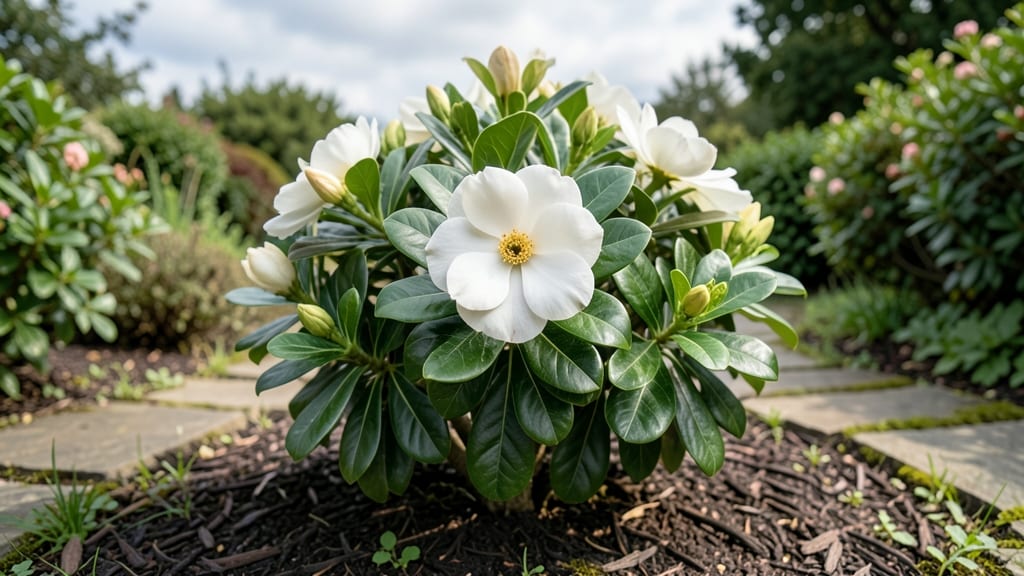
Florida’s gardenias bloom when the heat hits just right—typically between April and June, with some varieties stretching into July 🌸.
Picture this: your backyard filled with intoxicating white blossoms, their sweet fragrance wafting through the warm Florida air. But timing is everything—plant too late, and you miss the show; too early, and the cold snaps can stunt those delicate buds.
This isn’t just about the calendar, though. Florida’s microclimates—from the humid coasts of Miami to the drier inland areas—shift bloom windows by weeks. Some gardenias like Cape Jasmine start as early as March, while others wait until June, all triggered by temperature spikes and humidity drops.
Here’s what you’ll discover: the exact bloom windows for Florida’s top varieties, how to read your gardenia’s signals (yes, they tell you when they’re ready), and simple care tweaks to extend those blooms for months.
Florida gardenia bloom seasons by variety: heat zones & timelines
Florida’s gardenias bloom in stunning synchrony with the state’s heat zones, but not all varieties follow the same schedule. Understanding these timelines helps you choose the right plants for your microclimate—whether you’re in cool coastal zones (8A) or hot inland areas (10A).
Each variety has its own heat-triggered bloom window, often influenced by humidity drops and temperature spikes.
For example, Cape Jasmine often blooms earlier in spring (March-April) in Zone 9A, while Kleim’s Hardy may wait until late spring (May-June) in Zone 10A. Even within the same zone, microclimates—like shaded spots near water features—can shift bloom times by weeks.
Let’s break down the bloom seasons by variety and zone to help you plan your garden’s fragrance calendar.
🌸
If you’re in Zone 8A, like the Panhandle, expect Cape Jasmine and Fortuniana to bloom earlier (February-March) due to milder winters.
Meanwhile, Zone 10A gardeners in South Florida will see August Beauty and Radicans peak in late spring to summer, often extending into fall with cooler evenings. The key is to plant Kleim’s Hardy in shadier spots if you want extended fall blooms.
Microclimates play a huge role. For instance, gardenias near ponds or fountains may bloom 2-3 weeks earlier because the increased humidity triggers buds sooner. Conversely, exposed, sunny areas can cause bud
How Florida’s heat waves & rainy seasons trigger gardenia blooms
Florida’s gardenias don’t just bloom—they thrive on the state’s dramatic climate shifts. When heat waves push temperatures past 85°F, your gardenia senses it’s time to shift gears. This temperature spike triggers a hormonal response that signals buds to open, revealing those iconic creamy-white flowers.
But here’s the twist: it’s not just the heat—it’s the humidity drop that follows that really gets things going.
The science behind this is fascinating. Gardenias are native to tropical Asia, where they evolved to respond to monsoon patterns. In Florida, our summer heat waves mimic those tropical dry spells, while the sudden post-rain humidity creates the perfect moisture balance for bud development.
This dual trigger explains why you’ll often see gardenias burst into bloom right after a hot, dry spell followed by a tropical downpour.
You can actually replicate these conditions in your garden to encourage blooms year-round. Start by monitoring your local heat index—when it consistently hits 90°F+, that’s your gardenia’s cue to start forming buds.
At this point, increase watering slightly (but avoid soggy soil) and consider a light misting in the evenings to mimic that post-rain humidity boost.
For container gardenias, move them to slightly sunnier spots during heat waves—this mimics the natural intensity of tropical sun. Just be sure to protect them from afternoon sun, which can scorch buds.
I’ve seen gardenias in containers bloom 3 weeks earlier than their in-ground counterparts simply by adjusting their position during heat spikes.
One pro tip: if you notice buds forming but not opening, your gardenia might need a humidity boost. Place a tray of water near the plant or use a fine mist spray in the mornings.
This small adjustment can make the difference between closed buds and a full bloom within days. The key is understanding that gardenias aren’t just reacting to heat—they’re responding to the entire climate sequence that Florida delivers so dramatically.
By aligning your care with these natural triggers, you’ll transform your gardenia from a seasonal bloomer to a year-round fragrance machine. The secret? Pay attention to Florida’s weather patterns and give your gardenia the right conditions at the right time. 🌸