
Blooming
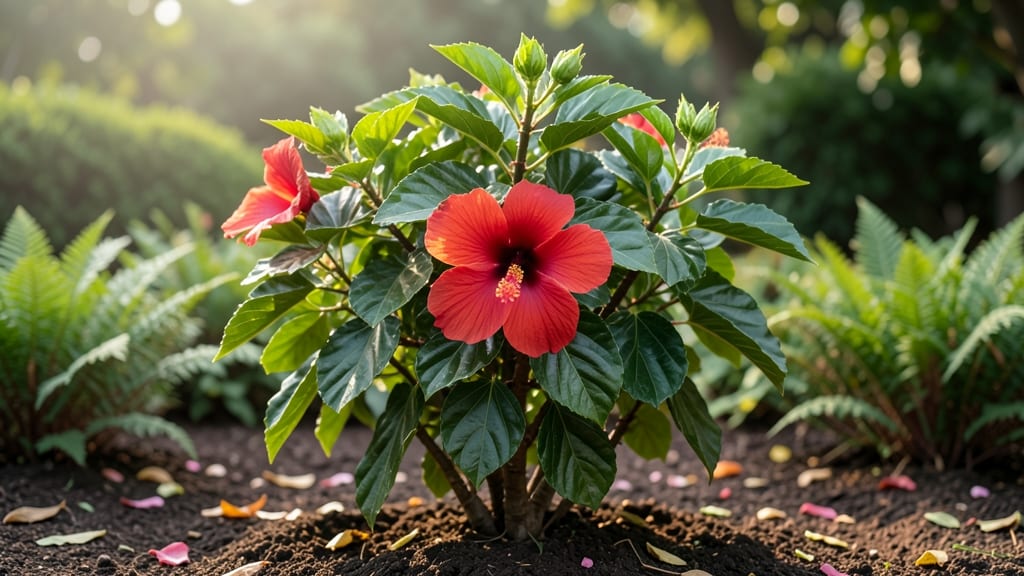
Hibiscus bloom in Florida from spring through fall, with tropical varieties often flowering year-round and hardy types peaking in summer.
If you’ve ever wondered why your hibiscus flowers seem to vanish in winter or explode in color during summer storms, the answer lies in Florida’s microclimates and plant types.
Tropical hibiscus, like the vibrant 🌸 ‘Dwarf Red,’ can bloom sporadically even in cooler months, while hardy varieties like ‘Peppermint’ wait for the heat of June–August to really shine.
Coastal areas in zones 9a–11 often enjoy longer bloom windows, thanks to milder winters, while inland regions may see a sharper seasonal shift. The key to year-round color? Pruning after blooms fade and feeding with the right fertilizer—both tricks I’ll break down to keep your hibiscus putting on a show.
Here’s what you’ll learn: the exact months to expect blooms, how to coax extra flowers, and which varieties play well in Florida’s heat and humidity. No guesswork, just a timeline that works for your garden.
Florida hibiscus blooming seasons: tropical vs. hardy varieties explained
Florida’s year-round growing season makes hibiscus a dream plant—but not all varieties bloom the same way. Tropical hibiscus (like Hibiscus rosa-sinensis) can flower continuously with proper care, while hardy hibiscus (like Hibiscus moscheutos) follow seasonal cycles.
Understanding these differences helps you choose the right type for your USDA zones 8-11 landscape.
The key difference lies in their native hardiness. Tropical hibiscus thrive in zones 10-11 and bloom year-round, while hardy hibiscus handle cooler Florida winters (zones 8-9) but bloom primarily in spring and summer. Even within Florida, microclimates—like coastal humidity vs. inland dryness—shift bloom timing by 2-4 weeks.
🌸 Tropical Hibiscus (e.g., Disco Belle, Lime Green) produce nonstop blooms when given full sun, consistent moisture, and fertilizer. In South Florida (zones 10-11), they flower every 2-3 weeks year-round, with peaks in spring and fall after pruning. In Central Florida (zone 9), they may slow slightly in winter months but rebound quickly with warmth.
🌿 Hardy Hibiscus (e.g., Peppermint, Southern Belle) enter dormancy in winter (Dec-Feb) and burst into bloom as temperatures rise. Their primary bloom window spans April through September, with a secondary flush in fall if pruned correctly. In North Florida (zone 8), expect 3-4 weeks later than coastal areas due to cooler nights.
| Variety Type | Primary Bloom Season | Secondary Bloom | USDA Zones | Coastal vs. Inland Shift |
|---|---|---|---|---|
| Tropical Hibiscus | Year-round (peaks spring/fall) | None (continuous) | 10-11 | Coastal: +2 weeks earlier |
| Hardy Hibiscus | April-September | October-November | 8-9 | Inland: +3-4 weeks later |
| Hybrid Varieties | March-October | December (light) | 9-11 | Coastal: year-round potential |
In South Florida (Miami, Key West), tropical hibiscus may show reduced blooming in summer due to intense heat and humidity, while hardy varieties in North Florida (Jacksonville, Gainesville) often skip winter blooms entirely.
The transition zones (Orlando, Tampa) offer the best of both worlds—hardy hibiscus bloom reliably in spring, while tropical types provide summer color.
For extended blooming, prune tropical hibiscus after spring blooms to encourage new growth, and fertilize with high-phosphorus food every 6 weeks. Hardy varieties benefit from late-winter pruning (Feb-March) to remove dead wood and stimulate spring flushes.
Mulching with 3-4 inches of organic matter helps regulate soil temps, which directly impacts bloom timing.
If you’re in zone 8, opt for hardy hibiscus like Hibiscus syriacus for reliable spring blooms, while zone 11 gardeners can mix tropical and hardy types for year-round color.
Even in the same city, elevation changes (e.g., Fort Lauderdale’s inland vs. coastal areas) can shift bloom windows by 2-3 weeks.
Pro tip: Deadhead spent blooms on tropical hibiscus to encourage more flowers, but leave a few on hardy types in fall to protect buds from frost. In Central Florida’s wet summers, ensure well-draining soil to prevent root rot, which can halt blooming entirely.
Whether you’re chasing spring’s pastel blooms or summer’s bold hues, knowing your hibiscus type and local microclimate lets you plan for peak performance. With the right care, your hibiscus can bloom on cue—just like Florida’s famous sunshine.
Month-by-month hibiscus blooming calendar for Florida gardens
Florida’s hibiscus thrive year-round, but their blooming cycles follow distinct seasonal patterns influenced by humidity, rainfall, and temperature shifts. Tropical hibiscus varieties often bloom continuously, while hardy types may experience secondary flushes after pruning.
Understanding these rhythms helps you time fertilizer applications and pruning cuts for maximum impact.
In South Florida (zones 10-11), hibiscus bloom year-round with peaks during spring and fall. Meanwhile, North Florida (zones 8-9) sees heavier blooms in summer and lighter flushes in early spring. Coastal areas often have longer bloom seasons due to milder winters.
| Month | Tropical Hibiscus | Hardy Hibiscus | Care Tip |
|---|---|---|---|
| January | Moderate blooms | Light blooms | Prune dead branches |
| February | Peak blooms | New growth | Apply balanced fertilizer |
| March | Heavy blooms | Early blooms | Water deeply |
| April | Continuous blooms | Full bloom | Prune for shape |
| May | Peak summer blooms | Secondary flush | Mulch to retain moisture |
| June | Heavy blooms | Moderate blooms | Fertilize every 4 weeks |
| July | Continuous blooms | Light blooms | Monitor pests |
| August | Peak blooms | New growth | Prune spent blooms |
| September | Heavy blooms | Secondary flush | Reduce watering |
| October | Peak blooms | Full bloom | Light fertilizing |
| ★★★★★4.9(2 reviews) |