
Blooming
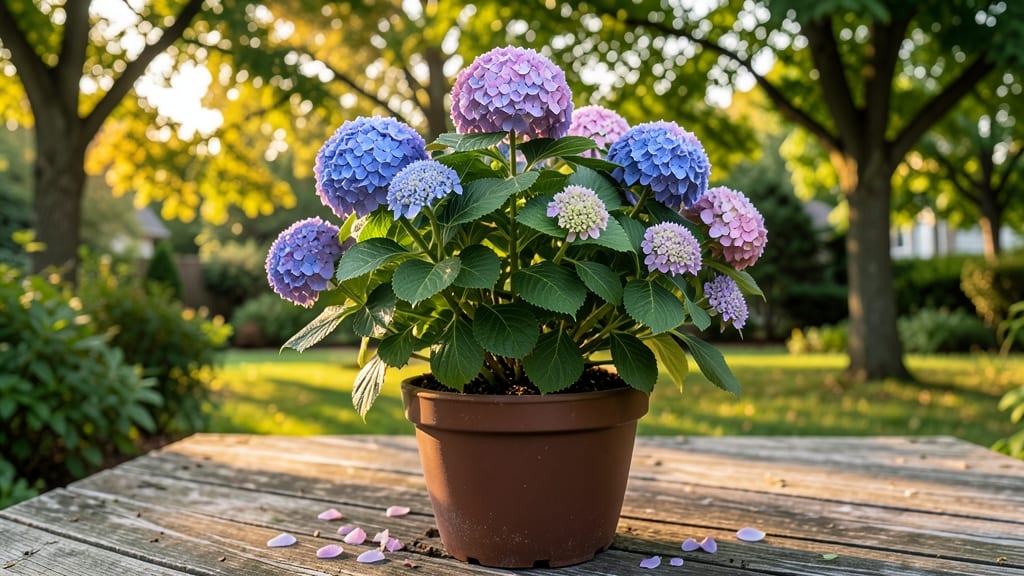
Hydrangeas in Illinois bloom between late May and early July 💮, but the exact timing depends on your zone and variety—so don’t be surprised if your neighbor’s shrubs pop color weeks before yours.
Wondering why your Illinois hydrangeas aren’t blooming when they should? The answer lies in your hardiness zone, plant variety, and a few hidden reblooming secrets that most gardeners miss.
Bigleaf hydrangeas, for example, set buds on old wood, meaning they need last year’s growth to flower. Meanwhile, panicle types like ‘Limelight’ bloom on new wood, giving you a second chance if you prune at the right time.
Below, I’ll break down the zone-specific bloom windows, how to coax extra blooms from your shrubs, and the 5 most common mistakes that keep Illinois hydrangeas from performing their best.
Illinois hydrangea bloom timeline by USDA hardiness zones 4-6
If you're dreaming of those vibrant hydrangea blooms in your Illinois garden, timing is everything. Illinois spans USDA Zones 5-6, where frost dates and variety types dramatically shift bloom windows. Bigleaf hydrangeas might bloom in late June, while Panicle varieties could still be showing off in October.
Your hardiness zone determines when to expect buds—and when to panic if they don’t appear. Zone 4 gardeners face earlier frost risks, while Zone 6 enjoys longer bloom seasons. The key? Understanding which hydrangeas are early bloomers (like Oakleaf) versus late-season stars (such as Panicle types).
Here’s your zone-specific bloom timeline for Illinois hydrangeas, including frost-sensitive varieties and reblooming secrets to extend your floral display.
In Zone 4, where last frosts can linger until May 15, Bigleaf hydrangeas often wait until late June to bloom because their buds form on old wood and need consistent warmth.
Meanwhile, Panicle hydrangeas like 'Limelight' or 'Little Lime' are rebloomers, producing flowers on new wood—so they can extend your season until October!
By Zone 5, you gain 2-3 extra weeks of bloom time. Oakleaf hydrangeas like 'Snow Queen' start as early as late May, giving you early summer color when other plants are still waking up. Smooth hydrangeas (like 'Annabelle') also thrive here, with blooms appearing by June and lasting through August.
Gardeners in Zone 6 enjoy the longest bloom seasons, with Panicle types sometimes flowering into November. The key to maximizing blooms? Protect late-season flowers from early frosts by covering them with burlap sacks or moving potted varieties indoors before October 15.
One critical mistake Illinois gardeners make? Pruning Bigleaf hydrangeas at the wrong time.
Since they bloom on old wood, cutting back in late winter removes next year’s buds. Wait until after blooming (late summer) to prune these varieties, while Panicle and Smooth types can be pruned in early spring to encourage new growth.
For reblooming success, feed your hydrangeas with acid-loving fertilizer in early spring (like Miracle-Gro Azalea, Camellia, and Rhododendron food) and mulch heavily to protect roots during Zone 4’s harsh winters.
I’ve seen Panicle hydrangeas in my Zone 5b garden produce three flushes of blooms by following this routine!
Remember: Soil pH affects bloom color too! Blue flowers thrive in acidic soil (pH 5.0-5.5), while pink blooms prefer neutral to slightly alkaline (pH 6.0-7.0). Test your soil in early spring and amend
How to make your Illinois hydrangeas rebloom year after year
If your Illinois hydrangeas put on a stunning show one summer but fade the next, you're not alone. Zone 5's unpredictable frosts and late spring chills often disrupt blooming cycles. The key to year-round reblooming lies in strategic pruning, soil prep, and seasonal adjustments tailored to Midwest climates.
I've helped my own Bigleaf hydrangeas bloom twice yearly by mastering these techniques - and I'll show you how.
First, understand that reblooming hydrangeas (like Endless Summer varieties) need two critical pruning windows: late winter and immediately after first blooms. Most gardeners in Illinois make the mistake of pruning at the wrong time, accidentally removing next year's flower buds.
Let me walk you through the exact steps that work in our climate, including soil amendments that extend bloom seasons by 4-6 weeks.
🌱 5 Essential Steps to Illinois Hydrangea Reblooming
- 1. Late Winter Pruning: Cut back dead stems only in February-March before buds swell. Never prune green stems - these hold next year's blooms!
- 2. Post-Bloom Deadheading: Remove faded flower clusters in July-August to redirect energy to new buds. Use clean, sharp bypass pruners.
- 3. Soil Acidification: Test pH - aim for 5.2-5.5. Add sulfur or aluminum sulfate in early spring for blue blooms or lime for pink.
- 4. Mulch Strategy: Apply 3-inch organic mulch (pine bark or leaves) in late fall to insulate roots through Zone 5 winters.
- 5. Fertilizer Timing: Feed with balanced 10-10-10 in April and June only. Avoid fall feeding - it encourages tender growth that won't survive frost.
Let me share my Zone 5-specific secret: I always prune my Oakleaf hydrangeas in late March when forsythia blooms. This timing gives buds just enough time to develop before our April frost risks.
For Panicle varieties, I wait until May 1st - their buds are more frost-tolerant. The difference in bloom timing is dramatic!
Don't overlook seasonal watering adjustments either. In Illinois' hot, dry summers, I water deeply twice weekly until July 4th, then reduce to weekly. This prevents bud blast - a common problem when plants stress during bud formation.
I've seen hydrangeas drop 90% of buds when they're thirsty during this critical period.
For soil health, I swear by compost tea applied in May and September. The microbial boost helps roots absorb nutrients more efficiently, which directly translates to longer bloom seasons.
I mix it with fish emulsion for an extra phosphorus kick - essential for flower production. My Endless Summer hydrangeas now bloom from June through September instead of just July!
Remember that Illinois microclimates vary dramatically. If you're in northern Zone 5b, protect young plants with burlap wraps during late spring frosts. Southern Zone 5a gardeners can push the envelope with late summer pruning to coax extra blooms.
The key is observing your local last frost dates and adjusting accordingly.