
Blooming
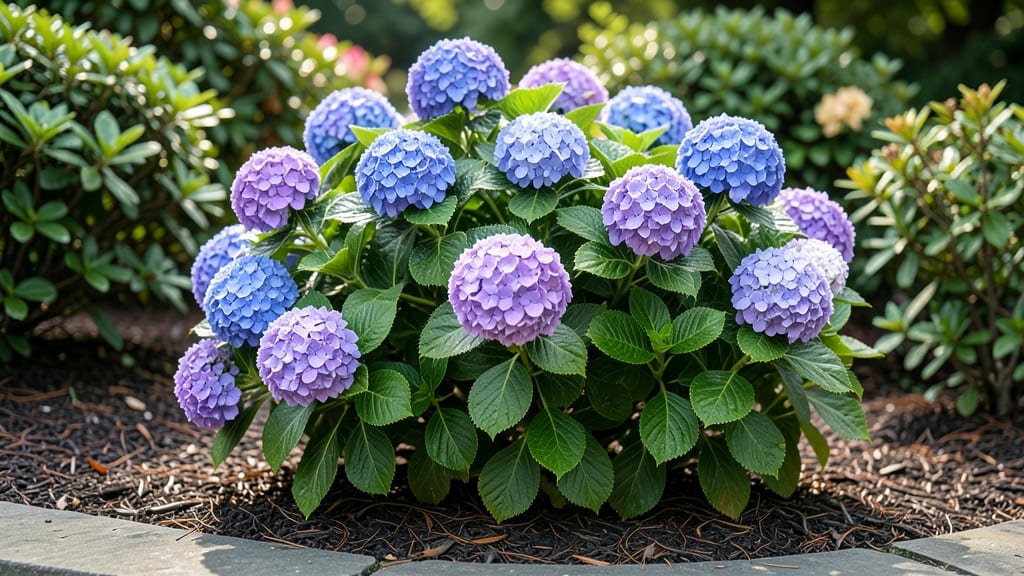
Hydrangeas in Massachusetts bloom in late spring and again in late summer, depending on whether they’re frost-triggered rebloomers or once-a-year showstoppers.
Massachusetts gardeners know timing is everything—especially when it comes to hydrangeas 🌸, whose blooms can arrive like clockwork or disappointingly late depending on the variety. But with frost-sensitive rebloomers and once-a-year bloomers, how do you predict when your hydrangeas will burst into color?
Most hydrangeas in Zone 6a start flowering in May or June, with reblooming varieties like Endless Summer putting on a second show in August or September. The key? Frost dates and soil conditions—get them wrong, and you might miss the first flush entirely.
Below, I break down the exact bloom windows for your region, how to tell if your hydrangea is a rebloomer or not, and the simple tricks to extend those vibrant blooms well past the first frost.
Massachusetts hydrangea bloom seasons: frost-triggered rebloomers explained
Massachusetts gardeners love hydrangeas for their vibrant blooms and versatile colors, but their timing can be tricky. Reblooming varieties like Endless Summer and Annabelle produce two flushes of flowers—one on old wood (last year's growth) and another on new wood—thanks to a frost-triggered mechanism.
Understanding this cycle helps you predict when your hydrangeas will burst into color in May-June and again in August-September.
In Massachusetts' USDA Zone 6a, the first flush of blooms typically appears in late May to early June on old wood, while the second flush—on new wood—emerges after the first frost in late summer.
This frost-sensitive timing means your hydrangeas rely on cool autumn nights to trigger the second bloom cycle. If summer temperatures stay too warm without a frost, the second flush may never appear.
Endless Summer hydrangeas are the most reliable rebloomers in Massachusetts, producing blue or pink blooms twice a year. Annabelle varieties, with their large white flowers, also rebloom but may produce fewer flowers in the second flush. Both varieties need well-draining soil and partial shade to thrive in our climate.
Here’s how Massachusetts’ climate affects bloom timing:
The first bloom on old wood forms in late winter and opens in May-June, while the second bloom develops on new wood after pruning in early spring.
In Massachusetts, this second flush often appears in August-September, just in time for fall color. If you prune too late in spring, you risk removing next year’s blooms.
To encourage reblooming, prune Endless Summer hydrangeas in late winter or early spring (before buds swell) to remove dead or weak stems. Avoid heavy pruning in summer, as this can reduce the second flush.
For Annabelle varieties, prune right after the first bloom fades to promote new growth for the second round.
Massachusetts’ variable climate can shift bloom times. In cooler inland areas like the Berkshires, blooms may arrive 1-2 weeks later than in warmer coastal regions like Cape Cod. Late frosts in May can damage early blooms, while unseasonably warm summers may delay the frost trigger for the second flush.
If your hydrangeas skip the second bloom, it’s often due to lack of frost or over-pruning. Try lightly pruning in early spring and mulching around the base to regulate soil temperature. In hot summers, provide afternoon shade to prevent stress.
For longer bloom seasons, choose reblooming varieties like Endless Summer or Limelight, and deadhead spent blooms in early summer to redirect energy to new flowers. With the right care, your Massachusetts hydrangeas can reward you with color from May through September!
Once-a-bloomers in Massachusetts: when to expect peak color
If you're growing Bigleaf, Oakleaf, or Smooth hydrangeas in Massachusetts, get ready for their single spectacular bloom each season. These once-a-bloomers typically burst into color between late May and June, but timing can shift dramatically depending on where you live in the state.
In Boston, expect blooms around May 25, while Western MA gardeners often see flowers a week earlier.
These varieties rely on old wood blooms formed the previous year, so late frosts in spring can delay or even damage buds. The Berkshires, with their cooler climate, may see blooms push into early July if frost lingers.
Understanding these regional differences helps you plan your garden layout and companion plants for maximum impact.
- 🌱 Boston Area: Peak blooms May 25-June 10; late frosts (May 15) may delay
- 🌳 Western MA: Early blooms May 15-25; warmer microclimates speed up growth
- 🏔️ Berkshires: Later blooms June 1-15; higher elevations delay bud opening
- ❄️ Frost Alert: Buds formed in previous September need consistent warmth to open
- 🌿 Variety Notes: Oakleaf blooms earliest; Bigleaf lasts longest
For Bigleaf hydrangeas, the show typically starts in late May and lasts through July, while Oakleaf varieties often bloom slightly earlier but with more vibrant fall foliage. The Smooth hydrangea (H. arborescens) follows a similar schedule but produces larger, fluffier blooms that catch rain droplets beautifully.
These timing differences let you create a staggered bloom display by mixing varieties.
Late frosts are the biggest wildcard in Massachusetts. If temperatures drop below 28°F after buds form (usually in September), you may see fewer or smaller blooms the following year. In 2022, Boston's April frost delayed Bigleaf blooms by nearly two weeks for many gardeners.
Monitoring your local USDA Zone 6a frost dates helps you anticipate adjustments like row covers or microclimate protection.
Pro tip: Plant once-a-bloomers near reblooming varieties to extend your color season. While your Bigleaf fades in July, an Endless Summer hydrangea might just be starting its second flush. This strategic pairing ensures your garden stays vibrant from May through September, even with Massachusetts' unpredictable weather patterns.
Remember that soil moisture and sun exposure also play roles. Once-a-bloomers thrive in morning sun with afternoon shade, and consistent moisture (but not soggy soil) helps buds develop properly. With these factors in mind, you'll be ready to celebrate your hydrangeas' grand entrance every spring—no surprises! 🌸