
Blooming
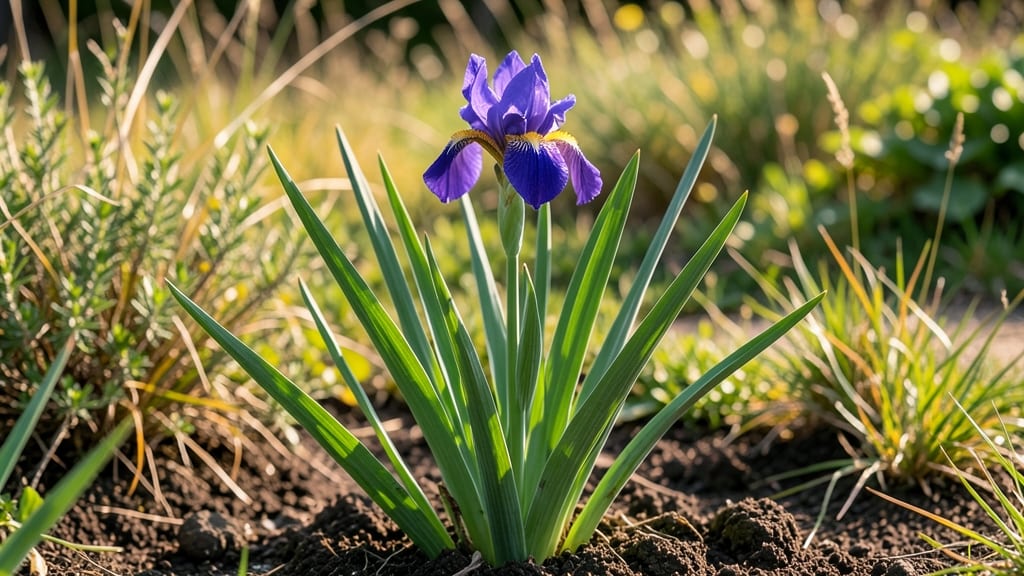
Iris blooms in Zone 7 typically between late March and early May, with bearded iris varieties often peaking in April and Siberian iris flowering slightly later in May. Timing depends on variety, sunlight, and soil conditions for optimal flowering.
In Zone 7, iris blooming windows vary by type and growing conditions, but most gardeners see their first buds emerge as soon as soil temperatures hit 50°F in late March. 🌸 Siberian iris often wait until late April or early May, while Louisiana iris may bloom even later in June.
The key to extending your bloom season lies in selecting varieties with staggered maturation periods—planting a mix of early and late bloomers ensures continuous color from spring through early summer.
What makes this timing so critical is the plant's need for chilling hours—iris require 400-600 hours below 45°F to trigger blooming. Zone 7's mild winters sometimes create inconsistent chilling, which is why some years see delayed or sparse flowering.
I've found that adding a thick layer of mulch in late fall helps regulate soil temperatures and improves bloom reliability.
💡 In This Article
- Factors Influencing Iris Bloom Timing in Zone 7
- Best Iris Varieties for Early and Late Spring Blooms in Zone 7
Factors influencing iris bloom timing in Zone 7
The primary trigger for iris blooming is a process called vernalization, where plants require a specific period of cold exposure to initiate flowering. In Zone 7, iris typically need 400-600 hours below 45°F during winter dormancy.
This chilling requirement explains why some years with milder winters may see delayed blooms—if temperatures stay above 45°F for extended periods, the plant may not receive enough chilling hours to trigger buds.
Sunlight exposure plays a critical role too. Iris thrive in full sun (6-8 hours daily), but too much intense afternoon sun can stress the plant, causing buds to drop before opening.
In my garden, I've noticed that bearded iris planted in morning sun with afternoon shade often bloom 2-3 weeks earlier than those in full sun. Siberian iris, however, handle partial shade better and may bloom slightly later as a result.
Soil moisture also matters—consistent moisture during the 6-8 weeks before blooming encourages stronger stems and larger flowers.
Temperature fluctuations in spring create another layer of complexity. When daytime temperatures rise above 70°F before nighttime lows drop below 50°F, iris may experience bud blast, where buds form but fail to open.
This is why late-March plantings often struggle—early warmth can trick the plant into thinking spring has arrived, only for a late frost to damage emerging buds. I've found that mulching with 2-3 inches of organic matter helps moderate soil temperatures and reduces this risk.
Different iris types respond uniquely to these factors. Bearded iris, for example, are more sensitive to temperature swings and often bloom in April when nighttime lows stabilize between 45-55°F. Siberian iris, with their deeper root systems, can tolerate cooler soils and may bloom 2-3 weeks later in May.
Louisiana iris, which prefer moist conditions, sometimes bloom even later in June, especially if planted near ponds or in rain gardens where soil stays cooler longer.
Soil pH also influences timing—iris prefer slightly acidic to neutral soil (6.0-7.0 pH). In alkaline soils common to Zone 7, blooms may be delayed or less vibrant. Amending soil with peat moss or sulfur can help correct this and encourage earlier, more abundant flowering.
The combination of proper chilling, sunlight balance, and soil conditions creates the perfect storm for predictable bloom timing.
One advanced technique I've used is stratification—simulating winter conditions by storing iris rhizomes in a cold, moist environment (35-40°F) for 8-12 weeks before planting. This can advance bloom time by 1-2 weeks in Zone 7, particularly useful for gardeners eager to extend their spring color palette.
The key is mimicking nature's chilling process while controlling the environment for optimal results.