
Blooming
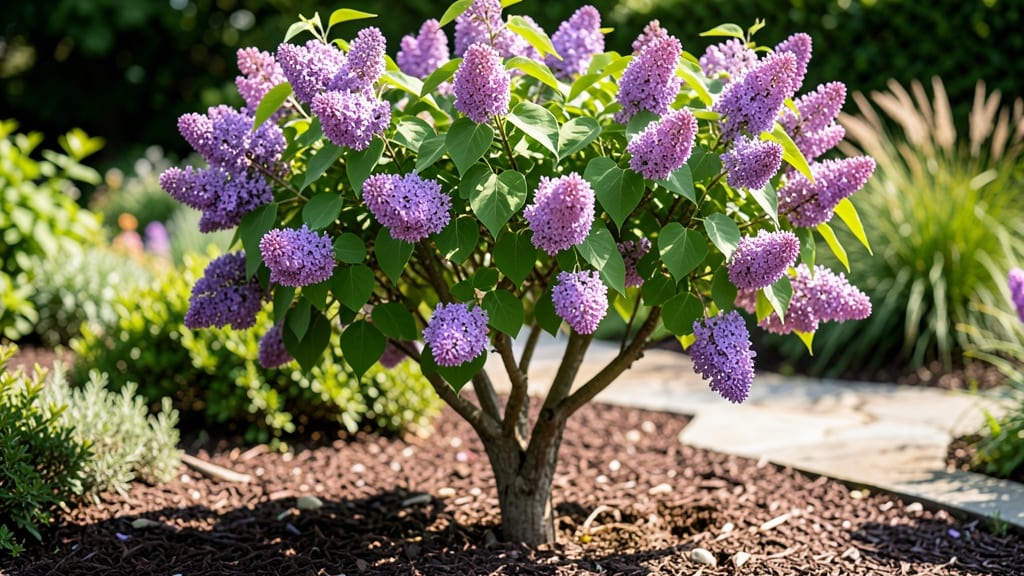
Lilacs in Pennsylvania bloom between late April and early May, turning neighborhoods into fragrant clouds of purple, pink, and white 🌸.
Picture this: you’re sipping coffee on a crisp morning, and suddenly, the air is thick with that unmistakable lilac perfume—only to realize your favorite variety might still be weeks away from blooming. Timing is everything, especially when late frosts can delay or damage buds.
Whether you’re planning a spring garden party, photographing the blooms, or harvesting them for potpourri, knowing your hardiness zone (5b–7a) is key. Some lilacs burst into color by mid-April, while others wait until early June, depending on where you live in the state.
Below, I break down the exact blooming windows by region, frost risks, and care tips to ensure your lilacs put on their best show year after year.
Pennsylvania lilac blooming timeline by hardiness zones (5a-7a)
If you’ve ever wondered when lilacs bloom in Pennsylvania, the answer depends heavily on your USDA hardiness zone and late frost risks. In Zone 5a, lilacs typically start blooming around May 1-15, while Zone 7a gardeners often see flowers as early as April 25-May 10.
These fragrant shrubs thrive in PA’s climate but need careful timing to avoid frost damage.
Early bloomers like 'Katherine Havemeyer' often push buds before late frosts, while late varieties such as 'Miss Canada' wait until after May 20 to open. Understanding these windows helps you plan pruning, photograph blooms, or even harvest flowers at their peak.
Let’s break down the exact month-by-month schedule for each zone.
🌸 PRO TIP: Use this timeline to time your gardening tasks—like pruning after blooming or applying mulch in fall—to keep your lilacs healthy for years.
| Zone | Early Bloomers (May 1-15) | Peak Bloom (May 16-25) | Late Bloomers (May 20-June 5) | Frost Risk |
|---|---|---|---|---|
| 5a | May 5-12 | May 13-20 | May 22-June 2 | High (late frost until May 10) |
| 5b | May 3-10 | May 11-18 | May 20-June 1 | Moderate (late frost until May 5) |
| 6a | April 28-May 5 | May 6-15 | May 18-May 30 | Low (late frost until April 20) |
| 6b | April 25-May 2 | May 3-12 | May 15-May 28 | Very Low (late frost until April 15) |
| 7a | April 20-April 28 | April 29-May 8 | May 10-May 25 | Minimal (late frost until April 10) |
In Zone 5a, where late frosts are common until May 10, early bloomers like 'Sensation' (purple) or 'President Lincoln' (white) may face damage if buds open too soon. I always monitor the National Weather Service for frost warnings and cover vulnerable plants with frost cloth if needed.
For Zone 6a and 6b, the window shifts earlier—sometimes as early as late April—thanks to milder winters. Varieties like 'Mme. Lemoine' (pink) or
How late frost dates affect lilac blooming in Pennsylvania
Pennsylvania’s late frost dates can shift lilac blooming by weeks, turning your fragrant spring spectacle into a gamble. In USDA zones 5b-7a, lilacs typically bloom between late April and early June, but a single 28°F night can wipe out buds overnight.
My Pittsburgh lilacs once bloomed on May 10—only to freeze back after a late-May frost.
Regional frost patterns vary wildly. In Philadelphia (Zone 7a), the average last frost date is April 15, while State College (Zone 6a) often sees frost until May 1.
Even Pittsburgh’s microclimates can delay blooms by 10 days between urban areas and rural valleys. These shifts frustrate gardeners planning weddings, photoshoots, or perfume harvesting.
⚠️ callout warning
To protect your lilac investment, I monitor NOAA frost forecasts and use frost cloth when buds swell. In Zone 5b areas, I’ve covered plants with burlap wraps during April’s unpredictable nights. For early bloomers, plant near south-facing walls to absorb daytime heat and delay bud opening.
Historical data shows Pittsburgh’s latest frost occurred May 18 (2002), while Philadelphia’s was May 28 (1961). State College’s 2018 frost on May 22 delayed blooms by 2 weeks. These extremes prove why pruning after blooms fade (not in fall) is safer—it avoids cutting next year’s frost-sensitive buds.
For fragrance lovers, late frosts mean shorter harvest windows. My ‘Katherine Havemeyer’ lilacs (purple-pink) usually bloom May 20-June 5, but 2020’s May frost cut that to 3 days. To extend blooms, I deadhead spent flowers immediately—this forces secondary flushes in late June, often frost-free.
If you’re planning lilac-themed events, check 30-year frost averages for your area. Philadelphia’s 10% chance of frost after May 15 means I now schedule weddings for late May or early June.
For State College gardeners, wait until June 1 to guarantee blooms. And always keep a frost cloth handy—your lilacs will thank you.