
Blooming
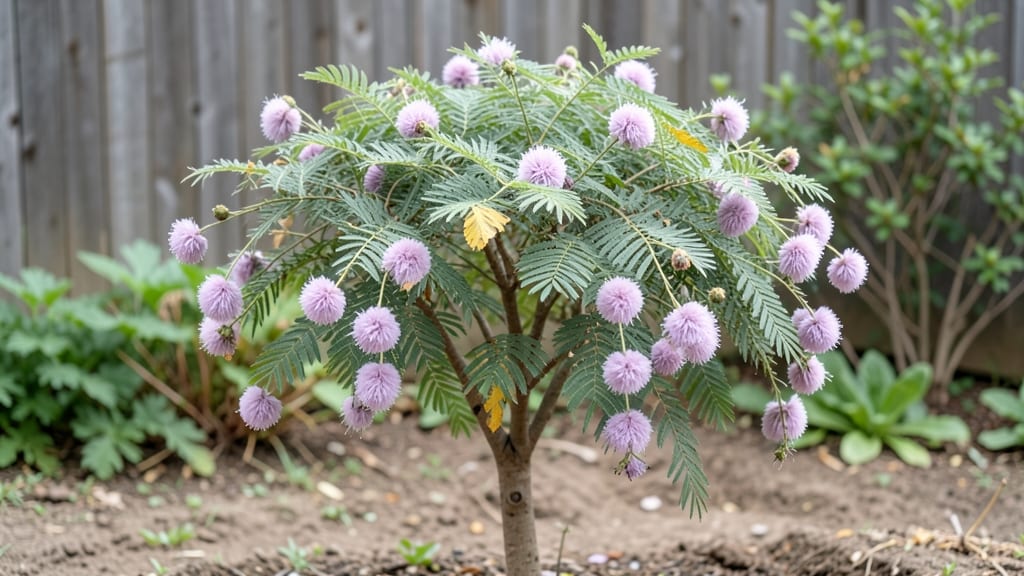
Mimosa trees bloom in late spring to early summer, typically between May and July, depending on climate zones. Warmer regions like USDA Zones 7-11 see earlier blooms, while colder areas may delay flowering until June or July.
Timing isn’t just about the calendar—it’s about your local growing conditions. Mimosa trees in warmer climates (like Florida or California) often burst into bloom as early as April, while those in cooler regions (such as the Pacific Northwest) may wait until late June due to slower spring warming.
These delicate blooms also thrive on full sunlight, so shade or poor soil can delay their appearance—sometimes by weeks. 🌸
What’s fascinating is how mimosas respond to seasonal cues: they typically flower after the last frost but before summer’s peak heat. In USDA Zone 6 or below, you might only see sporadic blooms since cold snaps can damage buds.
For gardeners, this means monitoring weather patterns and adjusting care routines to encourage consistent flowering. A little extra attention—like mulching or winter protection—can make all the difference in coaxing those iconic pink puffs to appear right on schedule.
💡 In This Article
- Factors Influencing Mimosas’ Blooming Seasons
- Pruning and Care Tips for Year-Round Mimosas
Factors influencing mimosas’ blooming seasons
Here's what's actually happening behind those iconic pink puffs: mimosas are highly responsive to temperature shifts, particularly the transition from winter dormancy to spring warmth. These trees enter a state of dormancy in late fall when temperatures drop below 50°F for extended periods.
Their buds remain dormant until they receive consistent exposure to temperatures above 60°F for at least 7-10 days, which triggers the hormonal signals that initiate blooming.
This explains why mimosas in USDA Zone 9 often bloom as early as March, while those in Zone 5 may wait until late June. 🌡️
The sunlight factor is equally critical—mimosas require at least 6-8 hours of direct sunlight daily to produce blooms. In areas with shorter daylight hours (like northern climates), the trees may delay flowering until they've accumulated sufficient light exposure.
What's fascinating is how they prioritize energy: if sunlight is limited, the tree will allocate resources to leaf growth rather than flower production. This is why mimosas grown in containers or urban settings with partial shade often bloom later or produce fewer flowers compared to their sun-drenched counterparts.
The ideal scenario combines warmth + sunlight, creating a perfect storm for blooming.
Soil conditions play a surprising role too—mimosas prefer well-draining, slightly acidic soil with a pH between 6.0-7.0. Compact or waterlogged soil can stress the tree, delaying blooms by 2-4 weeks as it diverts energy to root health.
In tropical climates where mimosas grow naturally (like their native Brazil), the soil remains consistently warm and moist year-round, allowing for more extended blooming periods. In contrast, temperate climates experience seasonal soil temperature fluctuations that create more defined bloom windows.
The key difference is how quickly the tree can recover from winter stress—warmer soils wake up faster, while cooler soils take longer to reach optimal growing temperatures. 🌱
Frost sensitivity is another critical factor that separates tropical from temperate mimosas. A single hard frost (28°F or below) can kill flower buds before they open, while repeated light frosts (32-36°F) may cause bud drop.
This is why gardeners in Zone 7 or below often see sporadic blooming—the tree may produce buds but lose them to late-season cold snaps. In warmer zones, mimosas can even produce secondary blooms later in summer if conditions remain favorable, creating a more prolonged display.
The contrast between these climates reveals how mimosas have adapted: tropical varieties bloom more reliably year-round, while temperate varieties have developed survival mechanisms to withstand seasonal extremes. 🌤️
What most people don't realize is how dormancy cycles work—mimosas actually need a period of cold to reset their biological clock. Without this winter chill period (typically 4-6 weeks below 45°F), the tree may produce leaves but fail to bloom.
This is why mimosas grown in greenhouses or indoor environments often struggle to flower consistently—they miss these essential seasonal cues. The perfect bloom timing occurs when all these factors align: adequate winter chilling, followed by rapid spring warming, combined with optimal sunlight and soil conditions.
When you see those pink blooms appear, you're witnessing the culmination of these precise environmental triggers working in harmony. 🌸