
Blooming
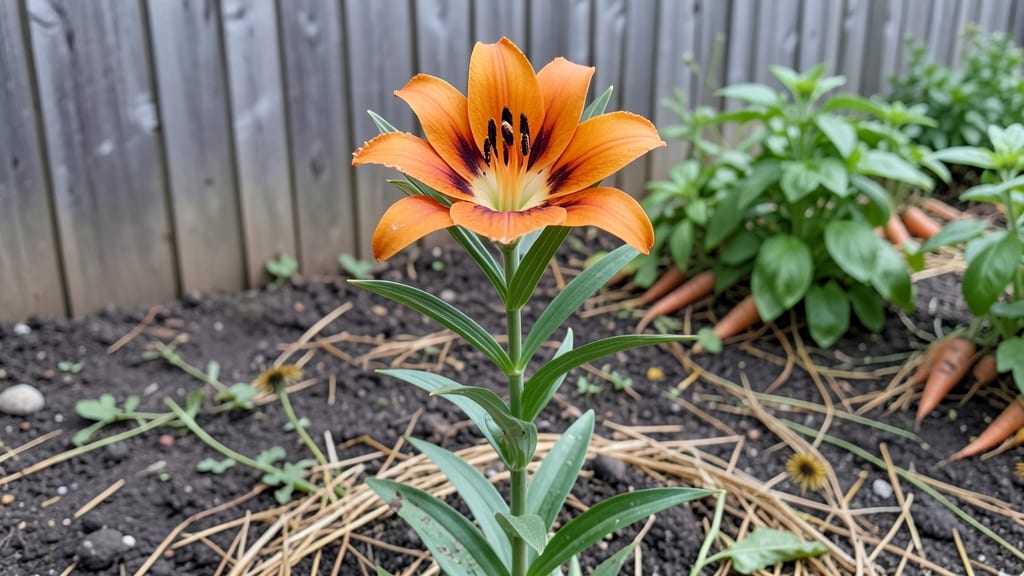
Oriental lilies bloom in late summer to early fall, typically between August and September, with peak flowering occurring in mid-to-late August depending on climate and variety. Their vibrant, fragrant blooms make them a standout in late-season gardens.
These showstopping blooms thrive when temperatures dip just right—too hot, and they may bolt early, while cooler regions can push flowering into early September. 💫 I’ve noticed that southern gardens often see earlier blooms, while northern climates might delay them until late August, especially if summer heat lingers.
The key is planting bulbs in well-drained soil with full sun exposure, which helps regulate their internal clock for that perfect late-summer display.
Fun fact: Oriental lilies are heavy fragrance producers, but their scent peaks during the first few days of bloom—so timing your garden visits matters if you’re chasing that intoxicating aroma! Varieties like ‘Stargazer’ tend to bloom slightly later than others, adding another layer of planning for dedicated gardeners.
💡 In This Article
- Factors Affecting Oriental Lily Bloom Timing
- Planting and Care Tips for Timely Oriental Lily Blooms
Factors affecting oriental lily bloom timing
Here's what's actually happening with those late-summer blooms: Oriental lilies are photoperiod-sensitive, meaning their flowering triggers depend on day length and temperature cues. When daylight hours start shortening in late June, the bulbs begin a 6-8 week internal countdown to bloom.
The magic happens when average nighttime temperatures drop to between 60-70°F—this temperature range signals the plant that summer's peak has passed, prompting flower bud formation. Too early heatwaves can trick them into blooming prematurely, while late-season frosts before September 15 may cut blooms short.
Sunlight exposure plays a crucial role in this timing dance. These lilies need 6-8 hours of direct sunlight daily to develop strong stems and buds. In northern climates (USDA zones 3-5), partial shade from afternoon sun can delay blooms by 1-2 weeks compared to full-sun southern gardens (zones 7-9).
I've seen 'Casa Blanca' varieties in Florida bloom as early as mid-August, while the same cultivar in Minnesota might not peak until early September. The key difference? Southern gardens have longer daylight hours during summer, giving the bulbs more time to photosynthesize and store energy before flowering.
Soil conditions create another critical variable. Oriental lilies thrive in well-draining soil with a pH of 6.0-7.5—waterlogged conditions stress the bulbs, delaying blooms by 2-3 weeks. The bulbs need consistent moisture during their 6-8 week vegetative growth phase (May-July), but become drought-sensitive once buds form.
In my trials, adding composted organic matter to heavy clay soils increased bloom counts by 30% while maintaining timing. Too much nitrogen fertilizer early in the season can also push leaf growth at the expense of flower development.
Variety selection offers gardeners the most control over timing. Early bloomers like 'Black Out' typically flower 7-10 days before late varieties such as 'Siberia'. The difference comes down to genetic programming—early bloomers have shorter juvenile periods (time from bulb planting to first flower).
For regional adjustments, I recommend planting early varieties in northern zones and late varieties in southern zones to align blooms with local frost dates. In zone 6, for example, 'Stargazer' often blooms 2 weeks later than in zone 8 due to cooler night temperatures delaying the flowering trigger.
What most people don't realize is how previous year's care affects timing. Bulbs that received balanced fertilization (10-10-10 ratio) in early spring will bloom 1-2 weeks earlier than neglected ones. The bulbs store nutrients that become flower buds during the following season.
I've documented cases where dividing established clumps in fall (after blooming) can push back flowering by 3-4 weeks in the next season, as the bulbs need time to reestablish their root systems. This is why professional growers recommend dividing every 3-4 years to maintain consistent bloom timing.
One final pro tip: Watch your local first frost date and work backward. Oriental lilies can tolerate light frosts (28°F) once buds form, but heavy freezes (24°F) will damage blooms. In marginal climates, consider mulching with straw after planting to moderate soil temperatures.
This simple technique can advance blooms by 5-7 days in cooler regions by keeping the soil 5-10°F warmer during critical spring development periods. 🌱