
Blooming
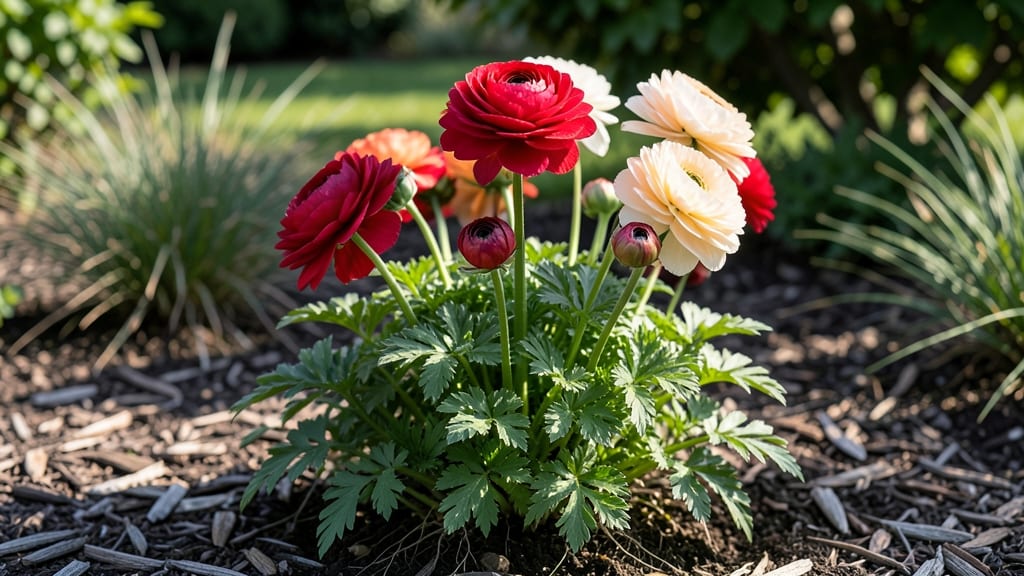
Ranunculus blooms in Zone 6 during late spring and early fall 🌸, but only if you plant them at the right time—this delicate flower thrives on precision.
If you’ve ever waited eagerly for those paper-like blooms to appear, only to be met with silence from your garden, you’re not alone. The key to unlocking their vibrant display lies in understanding your local frost dates and planting window.
In Zone 6, where frost lingers into April and returns by mid-October, timing is everything. Planting in late summer sets the stage for a spectacular spring show, while a fall planting can deliver a second burst of color before winter sets in.
Below, I’ll break down the exact months to plant, how to adjust for your specific Zone 6 microclimate, and the care tips that ensure your ranunculus don’t just survive—but thrive.
Ranunculus bloom schedule in Zone 6: spring vs. fall timing explained
Ranunculus flowers are famous for their delicate, layered petals that resemble tissue paper, but their blooming windows in Zone 6 are surprisingly short—just 6-8 weeks each season. Unlike many perennials, they bloom twice a year: once in late spring and again in early fall.
The key to success? Planting bulbs at the right time to align with your local frost dates and soil temperatures.
In Zone 6, where average last frost dates fall around April 15 and first frosts hit by October 15, ranunculus bulbs need 6-8 weeks of cool soil before sprouting.
This means your planting window is tight—typically late July to early September for fall blooms and early spring (March-April) for spring displays. Miss this window, and you might end up with no blooms at all.
🌱
| Bloom Season | Planting Time | Key Conditions | Bloom Window |
|---|---|---|---|
| Spring | March-April | Soil 50°F+, no frost risk | May-June |
| Fall | Late July-Early Sept | 6-8 weeks before frost | September-October |
| Critical Factor | Bulb depth: 4-6" | Well-draining soil | Full sun (6+ hours) |
Your Zone 6 location plays a huge role in bloom timing. For example, gardeners in western Zone 6 (like Denver) can plant bulbs slightly later than those in eastern Zone 6 (like Philadelphia) due to earlier frost dates in the east.
Always check your local frost dates—they’re the ultimate guide for planting. Aim to plant bulbs 6-8 weeks before the first expected frost to ensure they establish roots before winter.
Spring blooms typically appear 8-10 weeks after planting, while fall blooms emerge 6-8 weeks after bulbs are in the ground. The difference? Fall-planted bulbs experience cooler soil temperatures earlier, speeding up their growth cycle.
In Zone 6, this means fall blooms often arrive 2-3 weeks earlier than spring blooms if planted correctly.
One common mistake I see in Zone 6 gardens is planting ranunculus bulbs too early. If you plant in June or July, the bulbs may sprout before frost, only to be killed by cold temperatures.
Instead, wait until late July or early August for fall blooms. For spring blooms, plant bulbs in March once soil temperatures rise above 50°F.
Light exposure is another critical factor. Ranunculus need full sun (6+ hours daily) to bloom reliably. In Zone 6’s shorter days of spring and fall, supplement with a reflective surface (like a white wall or mirror) to maximize light.
If your garden is shady, consider growing ranunculus in containers near a sunny window or under grow lights.
To extend your bloom window, try staggered planting. Divide your bulbs into two groups: plant half in late July for early fall blooms, and the other half in early September for late fall color.
This trick works because the second planting benefits from cooler fall temperatures, which encourage faster growth and earlier blooms.
Finally, don’t forget that ranunculus bulbs are perennial in Zone 6, but they need annual care to perform well. After blooming, let the foliage die back naturally before cutting it back. This ensures the bulb stores enough energy for next year’s spectacular display.
With the right timing and care, your Zone 6 garden can enjoy ranunculus blooms twice a year—a true gardener’s reward! 🌷
How to extend ranunculus blooming season in Zone 6 gardens
Zone 6’s unpredictable spring frosts and early fall chills can cut short your ranunculus blooming season—but with the right strategies, you can push those delicate paper blooms to last longer.
The key lies in strategic planting, soil preparation, and light management to fool your ranunculus into thinking summer never ends.
Ranunculus naturally bloom in late spring (April–June) and early fall (September–October) in Zone 6, but by adjusting your planting timeline and growing conditions, you can coax extra weeks—or even months—of color. Think of it as giving your bulbs a personalized climate shield against Zone 6’s temperature swings.
🌱 5 Proven Ways to Extend Ranunculus Blooms in Zone 6
- 📅 Plant in Stages: Split your bulbs into 3 batches—plant 1/3 in August, 1/3 in September, and 1/3 in early October for staggered blooms from May through November.
- ☀️ Maximize Sun Exposure: Use reflective mulch (like white gravel) or mirror panels to bounce 6+ hours of sunlight onto plants, especially in early spring.
- 🌱 Boost Soil Drainage: Amend beds with perlite or sand to prevent root rot from Zone 6’s spring rains, which can stall blooming.
- 🌡️ Use Row Covers: Apply frost blankets on late-spring nights to protect buds from unexpected frosts after April 15.
- 💧 Water Strategically: Deep-water once weekly in morning only to avoid fungal issues—overwatering is the #1 blooming killer in Zone 6.
For earlier blooms, focus on fall planting. Ranunculus bulbs need 6–8 weeks of cold stratification to trigger flowering, so plant them in late August or early September for spring blooms as early as April.
In containers, move pots to a bright garage or basement during winter to simulate cold—then return them to full sun in March.
To extend fall blooms, choose late-blooming varieties like 'Bella' or 'Stella', which naturally flower 2–3 weeks later than standard types. Pair them with heat-tolerant companions like cosmos or snapdragons to create a longer-season display while shielding ranunculus from early fall heat stress.
Don’t forget: Deadheading spent blooms (removing faded flowers) redirects energy to new buds, often adding 3–4 extra weeks to your season. And if your Zone 6 summers run too hot, provide light afternoon shade with lattice or sheer fabric to prevent bud drop.
With these tweaks, your ranunculus can bloom from May through October—turning your Zone 6 garden into a nonstop floral show. The secret? Work with nature’s quirks, not against them. 🌸