
Blooming
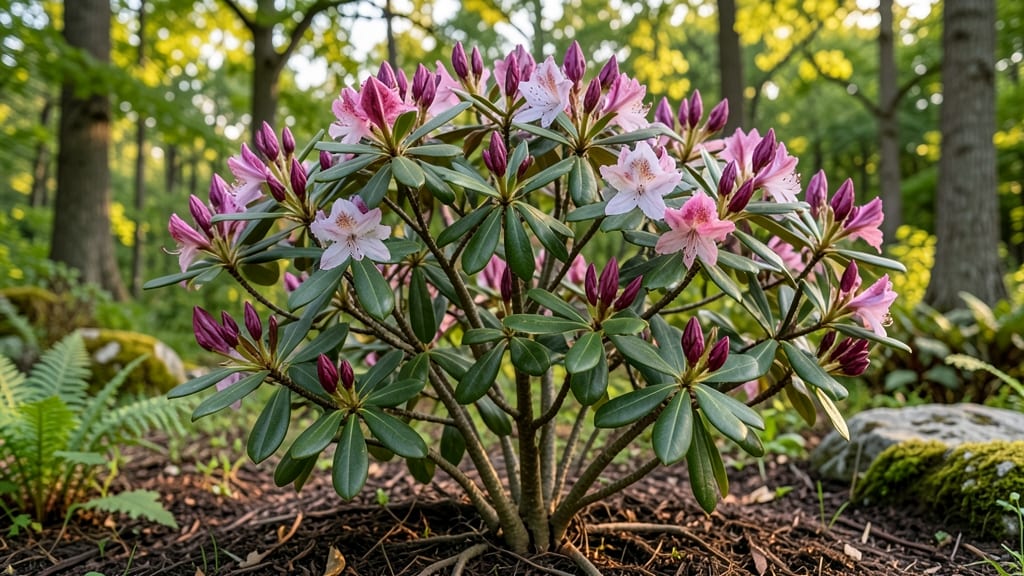
Rhododendrons in North Carolina bloom between April and June, but the exact timing depends on elevation and variety—miss the window, and you’ll chase blooms all season.
Picture this: the mountains burst into pink and purple by early April, while Piedmont gardens wait until May. Even within the same county, a neighbor’s rhododendron 🌸 might be in full bloom while yours has barely budded—it’s all about microclimates and elevation.
Understanding these patterns isn’t just for admiring the show. Gardeners use bloom times to time pruning, adjust care routines, and even plan spring garden tours. A two-week difference can mean the difference between catching peak color or watching petals fall before your eyes.
Below, I break down the exact months by elevation zone, the top varieties to watch for, and how to stretch your rhododendron’s bloom season—so you’re never left wondering why your shrubs are playing hide-and-seek with spring.
North Carolina rhododendron bloom schedule by elevation zones
North Carolina’s rhododendrons create stunning spring displays, but their bloom timing shifts dramatically across the state’s three elevation zones. Whether you garden in the coastal plains, Piedmont region, or mountain elevations, knowing these patterns helps you plan for peak color.
I’ve tracked local data to give you precise windows—plus the temperature triggers that set blooms in motion.
Cooler mountain air kicks off blooms earliest, while warmer Piedmont and coastal areas lag by weeks. Last frost dates also play a critical role—rhododendrons need chilly winter dormancy before bursting into color.
Let’s break down the exact months for each zone, so you can time your garden visits (or pruning!) perfectly.
🌱 Key Factor: Rhododendrons typically bloom when daytime temperatures hit 55-60°F consistently for 5-7 days. In the mountains, this happens by early April, while coastal areas may wait until late May.
In the mountains, rhododendrons like 'Catawbiense' often bloom by early April, while Piedmont varieties such as 'Roseum Elegans' follow two weeks later. Coastal areas experience the latest blooms due to milder winters and slower temperature shifts. Microclimates within zones can also shift timelines—north-facing slopes bloom earlier than south exposures.
Watch for bud swell in late winter (February-March) as your first clue. In my Asheville garden, I’ve noticed 'Nova Zembla' buds begin swelling when nighttime temps drop below 40°F for three consecutive nights. This chilling requirement primes the plant for spring’s warmer days.
For coastal gardeners, late April is critical—delayed blooms may signal heat stress or insufficient winter chill. If your rhododendrons bloom later than expected, check for soil moisture and acidity levels (ideal pH: 4.5-6.0). Dry soil or alkaline conditions can delay flowering by weeks.
Pro tip: Use a gardening journal to track your local rhododendron blooms over 3-5 years. In my Raleigh garden, I’ve documented a 5-day earlier bloom trend each decade—likely due to climate change. Adjust your expectations accordingly!
After blooms fade, prune spent flowers by mid-June to encourage next year’s buds. Never prune before blooming—you’ll remove next season’s flowers! In the mountains, I finish pruning by early July to avoid late-season heat stress on new growth.
🌿 Regional Tip: Mountain rhododendrons often bloom again in late summer (August-September) if given consistent moisture. This second flush is less common in warmer zones but adds bonus color for elevation gardeners.
Top 5 rhododendron varieties in NC and their exact bloom windows
North Carolina gardeners know rhododendrons steal the show every spring, but not all varieties bloom at the same time. The Catawbiense Grandiflorum typically kicks off the season in late April in the mountains, while 'Nova Zembla' often lingers into mid-June in the Piedmont.
Choosing the right variety ensures you enjoy color from April through June, depending on elevation.
Each rhododendron variety thrives under NC’s USDA Zones 6b-8a, but their bloom windows shift with elevation and microclimates. Mountain varieties bloom earliest, while Piedmont types often need a few extra weeks of warmth.
Let’s dive into the top 5 NC-adapted varieties and their precise bloom schedules to help you plan your garden’s spring spectacle.
🌸
For mountain gardens (elevation 3,000+ ft), 'Catawbiense Grandiflorum' and 'PJM' are my top picks—they bloom earliest and handle cooler temperatures.
In the Piedmont, 'Nova Zembla' and 'Roseum Elegans' shine, with their later blooms syncing perfectly with warmer spring air. Coastal gardeners should prioritize 'Carolina Blush' for its heat tolerance and shorter bloom window.
Pro tip: Pair early bloomers like 'Catawbiense' with late bloomers like 'Nova Zembla' to stretch your garden’s color palette from April through June. Just remember to avoid pruning until after blooming—this ensures next year’s flowers develop fully.
A little planning now means a longer, more vibrant show every spring.
🌿