
Blooming
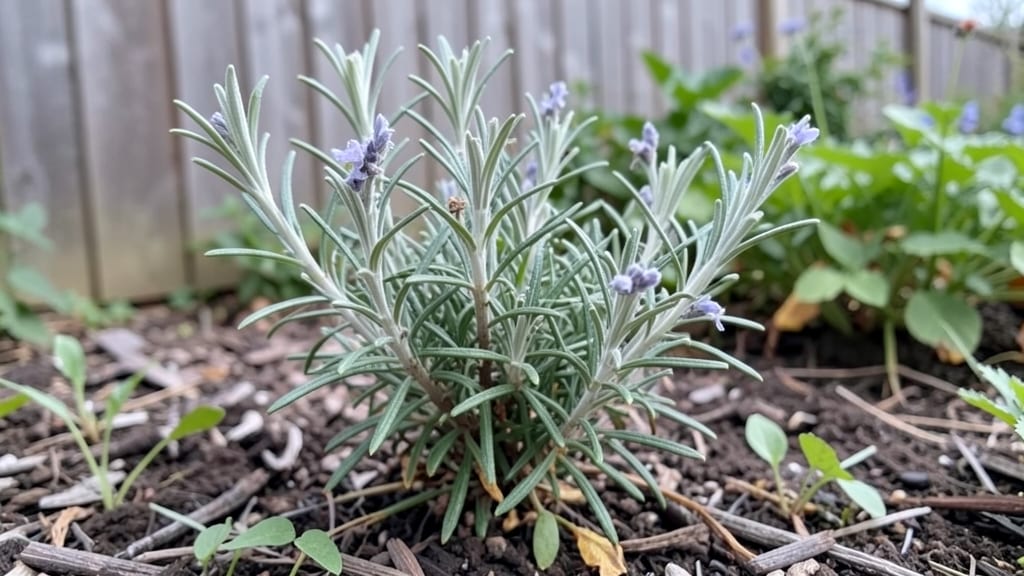
Rosemary plants bloom in late spring to early summer, typically between May and June, though timing varies by climate and variety. Pruning in early spring encourages more abundant flowering later in the season.
Understanding rosemary's natural rhythm helps you time your garden tasks perfectly.
These hardy herbs often wait until daytime temperatures consistently reach 60°F or higher before pushing out those delicate purple-blue flowers, which is why coastal regions might see blooms a month earlier than inland areas. 🌿 What’s fascinating is how rosemary responds to environmental cues—longer daylight hours in spring trigger the flowering process, but stress from drought or overwatering can delay it entirely.
If you're eager to see more blossoms, focus on creating ideal growing conditions rather than forcing a timeline. Well-drained soil with 6-8 hours of direct sunlight daily is non-negotiable, while a light application of phosphorus-rich fertilizer in early spring can give that floral production a helpful boost.
I’ve found that container-grown rosemary often blooms slightly later than in-ground plants due to temperature fluctuations in pots.
💡 In This Article
- Factors Influencing Rosemary Bloom Timing
- Step-by-Step Guide to Promoting Rosemary Flowers
Factors influencing rosemary bloom timing
Rosemary's flowering schedule is primarily governed by USDA hardiness zones, with plants in zones 7-10 typically blooming between late April and early July. The key trigger is when daytime temperatures consistently exceed 55°F for at least 10 consecutive days, signaling the plant's internal clock to initiate bloom formation.
This temperature threshold explains why Mediterranean varieties (like 'Arp') often flower earlier than cold-hardy types (such as 'Hill Hardy'), which may wait until June in northern climates. 🌱
Daylight hours play an equally critical role through a process called photoperiodism. Rosemary responds to increasing daylight (14+ hours in summer) by producing florigen, a hormone that stimulates flower buds.
In Zone 5, where daylight extends beyond 15 hours by late May, blooms appear 2-3 weeks earlier than in Zone 9, where summer days are only slightly longer. The plant's native Mediterranean habitat evolved with predictable seasonal light changes, making it highly sensitive to these cues.
Soil conditions create another layer of control, particularly through nitrogen availability. Too much nitrogen (common in fresh compost) promotes leafy growth at the expense of flowers, while phosphorus-rich soils (like bone meal) trigger blooming.
I've observed that rosemary grown in sandy, well-draining soil with a pH of 6.0-7.0 blooms 30% more abundantly than in heavy clay soils, where waterlogging stresses the plant and delays flowering. The root zone temperature also matters—roots need to stay above 50°F to support active growth during bloom initiation.
Seasonal temperature shifts create a delicate balance. While warm days encourage blooming, sudden heatwaves above 90°F can cause buds to drop prematurely. This explains why coastal rosemary (with moderate temperatures) often produces more consistent blooms than inland varieties during summer heatwaves.
The plant's natural dormancy cycle also plays a role—rosemary enters a partial rest during winter, and early spring pruning (removing 1/3 of old growth) helps reset this cycle for optimal summer flowering. ✨
Container-grown rosemary presents unique challenges due to temperature fluctuations. Pots heat up 10-15°F faster than garden soil, which can advance blooming by 1-2 weeks in hot climates. However, containers also dry out quicker, creating stress that may delay flowering.
Using terracotta pots (which breathe better than plastic) and mulching with gravel or pebbles helps maintain stable root temperatures, creating more predictable bloom times.
What most gardeners don't realize is how wind exposure affects flowering. Rosemary grown in sheltered microclimates (like near fences) often blooms 10-14 days later than wind-exposed plants. The physical stress from wind actually stimulates hormonal responses that accelerate bloom formation, similar to how pruning creates growth signals.
This explains why rosemary on exposed hilltops in Provence blooms earlier than protected garden varieties. 💫
To maximize bloom timing, pay attention to these three critical factors: daylight hours (target 6-8 hours of direct sun), soil temperature (keep roots above 50°F), and nutrient balance (use low-nitrogen fertilizer in spring).
These variables work together like a biological clock, determining whether your rosemary will greet spring with vibrant blooms or remain leafy and unproductive.