
Blooming
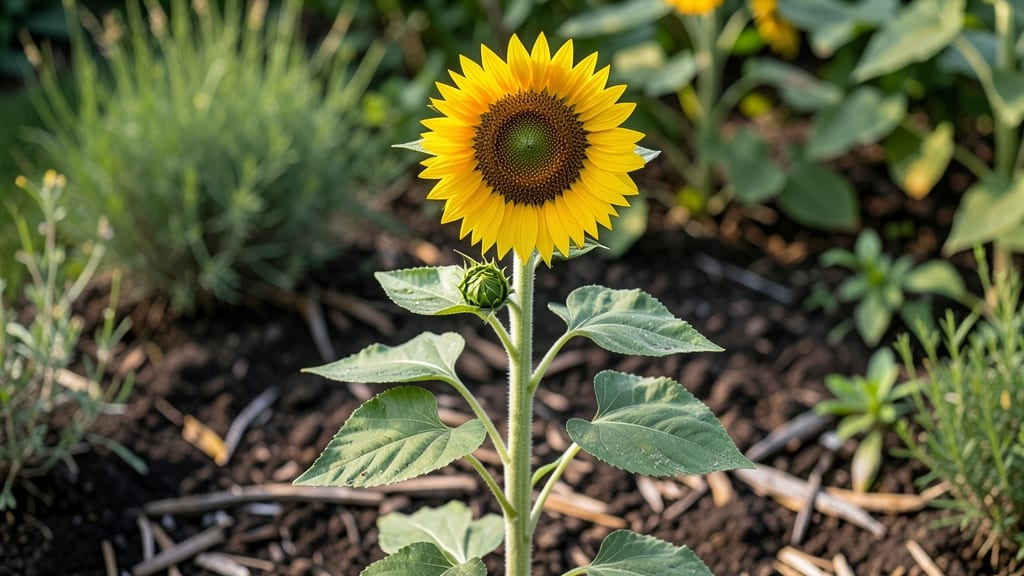
Sunflowers bloom in Illinois between late July and early October, with the exact timing depending on your planting date and variety — but getting it right means the difference between a summer garden showstopper and a late-season flop.
If you're dreaming of towering sunflowers brightening your Illinois garden, timing is everything — plant too early or late, and you might miss their stunning summer blooms entirely.
In zones 5-6, the window for planting is tight: after that last frost in mid-April, but before the heat of June slows germination.
Most sunflowers in Illinois take 60-120 days to bloom, meaning early varieties planted in late April can start flowering by late July, while late-season types may not peak until September or October.
The key? Choose varieties suited to your heat zone and adjust your schedule for the 165 frost-free days Illinois typically offers.
Below, I break down the exact bloom windows by variety, how to stretch your season with strategic planting, and the best types for Illinois gardens — so you can enjoy those golden faces from summer straight through fall.
Sunflower blooming timeline in Illinois by heat zone (USDA 5a-6b)
Illinois' diverse climate—spanning USDA zones 5a through 6b—creates distinct bloom windows for sunflowers. In northern Illinois (5a), cooler springs delay flowering, while southern regions (6b) enjoy earlier, longer bloom seasons. Understanding these variations helps you select varieties that thrive in your microclimate and maximize your summer-to-fall display.
Sunflowers typically bloom 60-120 days after planting, but Illinois' temperature fluctuations and frost dates shift these timelines. For example, early varieties planted in late April may bloom as early as mid-July in zone 6b, while late varieties in zone 5a might not peak until early October.
Let’s break down the exact bloom windows by zone and variety type.
In USDA zone 5a, where frost lingers until mid-May, early varieties like 'Autumn Beauty' (55 days to bloom) are ideal for late July displays. These regions benefit from cold-hardy varieties that tolerate 50°F nighttime temps without stunting growth. Plant seeds directly after your last frost for best results.
Zone 5b and 6a gardeners enjoy a 2-month extended bloom season, thanks to warmer springs. 'Moulin Rouge' (60 days) often blooms in early July, while 'Russian Giant' (90+ days) peaks in late September.
These zones can even support succession planting—sow a second batch in early June for fall blooms before frost.
For zone 6b, the earliest blooms appear by late June with varieties like 'Teddy Bear' (50 days). The longer growing season allows for three planting windows: early spring, early summer, and even late summer for winter interest (if protected).
However, watch for heat stress—temperatures above 90°F can delay flowering.
Temperature thresholds play a critical role. Sunflowers need consistent daytime temps above 70°F to bloom. In northern Illinois, wait until soil temps reach 60°F before planting.
In southern Illinois, early planting (as soon as March 20) can yield blooms by late June, but monitor for early heat waves that may stress seedlings.
Pro tip: Use black plastic mulch in cooler zones to warm soil faster and jumpstart growth. In zone 5a, this can shave
Best sunflower varieties for Illinois gardens and their bloom periods
Choosing the right sunflower varieties for your Illinois garden ensures vibrant blooms that thrive in the USDA zones 5-6. With hot summers and variable spring frost dates, timing is critical. Some varieties bloom quickly, while others need more time to reach their full glory.
I’ve tested these top performers in my own garden to help you pick the perfect types for your space and goals.
Illinois gardeners can expect sunflowers to bloom between late July and early October, depending on the variety and planting time. Early varieties like 'Teddy Bear' start flowering in July, while tall varieties like 'Russian Giant' may not reach full bloom until September.
Let’s dive into the best options for your garden, ranked by bloom speed, height, and drought tolerance.
- 🌱 'Teddy Bear' - Dwarf variety, blooms in July, 1-3 ft tall, drought-tolerant. Perfect for containers or small gardens.
- 🌻 'Autumn Beauty' - Mid-season, blooms in August-September, 4-5 ft tall, multi-colored petals. Ideal for cut flowers.
- 🌿 'Russian Giant' - Late-season, blooms in September-October, 10-16 ft tall, needs staking. Stunning for focal points.
- ☀️ 'Moulin Rouge' - Heat-tolerant, blooms in August-September, 5-6 ft tall, deep red petals. Thrives in hot summers.
- 💧 'ProCut' - Fast-growing, blooms in July-August, 3-5 ft tall, great for cut flowers and drought conditions.
If you’re planting for early blooms, prioritize 'Teddy Bear' or 'ProCut'—they’ll reward you with color by mid-summer. For a longer bloom season, mix early and late varieties like 'Autumn Beauty' and 'Russian Giant' to enjoy sunflowers from July through October.
My garden always gets the most attention when these varieties are in full bloom!
For drought-prone areas of Illinois, 'Teddy Bear' and 'ProCut' are my top picks—they handle hot, dry spells better than most. If you’re in northern Illinois with cooler summers, 'Autumn Beauty' thrives without needing extra water. Always plant after the last frost date (typically mid-April) for the best results.
Don’t forget that soil quality and sun exposure play huge roles in bloom timing. Amend your soil with compost before planting, and ensure your sunflowers get at least 6-8 hours of sunlight daily.
With the right variety and care, your Illinois garden will be a sunflower paradise all season long! 🌻