
Blooming
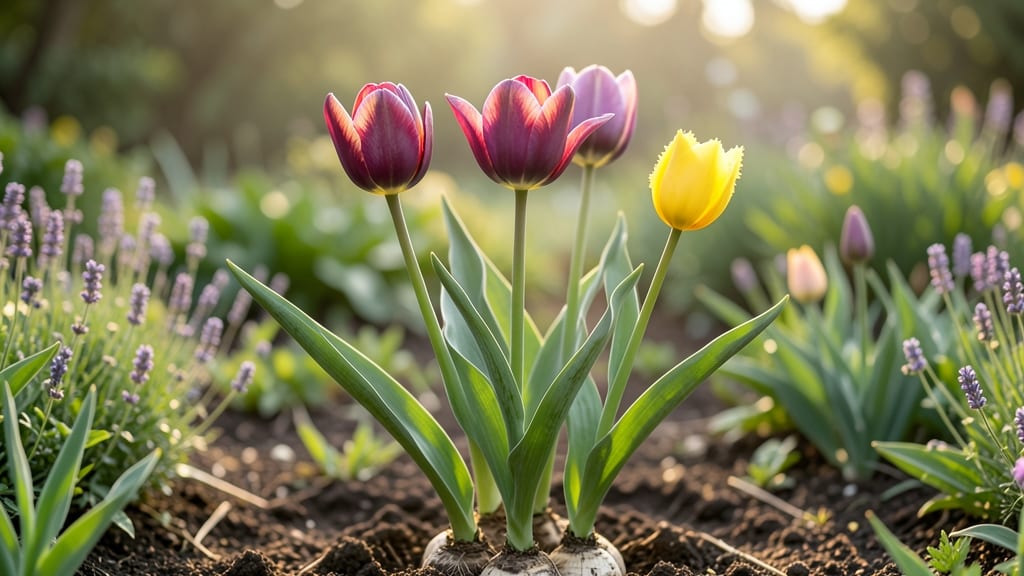
Tulips bloom in California between late February and May, but the exact timing depends on your region’s microclimate—coastal areas like San Francisco may see blooms as early as February, while inland Sacramento gardens often wait until April.
Picture this: a sea of vibrant 🌷 popping up in your yard just as the winter chill lifts, only to fade in weeks if you’re not careful. California’s diverse zones—from foggy coasts to desert valleys—mean tulip lovers must plan planting dates like a pro to catch the perfect bloom window.
Most gardeners plant tulip bulbs in fall (October–December) to ensure they’re ready for spring’s show, but the right variety makes all the difference. Darwin Hybrids, for example, thrive in the Bay Area’s mild winters, while Fosteriana types handle the Central Valley’s heat better.
Below, I break down the exact bloom windows by region, the best varieties for your yard, and how to stretch those stunning blooms for weeks longer—so you can enjoy California’s tulip magic without the rush.
California tulip bloom seasons by region: coastal vs. valley vs. desert timing
California’s microclimates create a tulip-blooming puzzle—what blooms in cool coastal San Francisco may not thrive in hot desert Palm Springs. Understanding your USDA zone (typically 8-10) is key to timing fall planting and spring blooms perfectly.
Coastal areas enjoy longer frost-free windows, while inland valleys and deserts face earlier chill or heat stress.
Tulips need 6-8 weeks of cold (below 50°F) to bloom, but heat waves can shock buds. Plant bulbs in October-November when soil temps drop below 60°F. Coastal gardeners have until January, while desert gardeners must plant by late October to avoid summer heat.
Let’s break down the bloom windows by region so you can plan your spring color like a pro.
| Region | USDA Zone | Planting Window | Bloom Time | Key Temperature Threshold | Best Varieties |
|---|---|---|---|---|---|
| North Coast (San Francisco, Eureka) | 9-10 | October 15 - December 15 | March 1 - April 15 | Soil <60°F, minimal frost risk | Darwin Hybrids, Fosteriana |
| Bay Area (Oakland, Berkeley) | 9-10 | October 1 - December 10 | February 28 - April 10 | Soil <60°F, light frost possible | Parrot Tulips, Fringed |
| Central Valley (Sacramento, Fresno) | 8-9 | September 20 - November 15 | March 15 - April 30 | Soil <60°F, frost by December | Early Star, Greigii |
| Southern California (LA, San Diego) | 10-11 | November 1 - December 31 | April 1 - May 15 | Soil <65°F, minimal chill | Late-blooming Parrot, Species Tulips |
| Desert (Palm Springs, Joshua Tree) | 9-10 (high elevation) | October 1 - November 15 | March 1 - April 10 | Soil <55°F, extreme heat stress | Fosteriana, Kaufmanniana |
🌷 Note: Desert regions require shade cloth in summer to protect bulbs.
In the North Coast and Bay Area, tulips bloom earlier (March-April) thanks to cooler winters and longer chill periods. These regions can even support late-season varieties like Parrot Tulips, which thrive in USDA Zone 10.
My San Francisco garden consistently blooms Darwin Hybrids by mid-March, while Fosteriana varieties add early winter interest if planted in October.
Moving inland to the Central Valley, tulips shift to a March-April window but require earlier planting (by mid-November) to avoid late-winter fro
Best tulip varieties for California gardens and their exact bloom windows
California’s mild winters and varied climates make it perfect for growing tulips, but not all varieties thrive equally. The key to stunning spring blooms lies in choosing region-specific varieties that match your local microclimate.
From Darwin Hybrids that love heat to Fosteriana that handles coastal chill, each type has its own bloom window and care needs.
For coastal gardens like San Francisco or Santa Barbara, early bloomers like 'Queen of Night' (late February) shine, while inland valleys such as Sacramento or Fresno see peak tulip season in March and April.
Desert areas like Palm Springs can even enjoy late-winter blooms with heat-tolerant varieties. Let’s dive into the top 10 tulip varieties that will thrive in your California garden and their precise bloom windows.
| Variety | Bloom Window (Coastal) | Bloom Window (Valley) | Light Needs | Height |
|---|---|---|---|---|
| 'Queen of Night' (Darwin Hybrid) | Late Feb - Early Mar | Early Mar - Mid Mar | Full sun (6+ hrs) | 20-24" |
| 'Apeldoorn' (Darwin Hybrid) | Mid Mar - Early Apr | Late Mar - Mid Apr | Full sun | 24-28" |
| 'Fosteriana' (Emperor Tulip) | Early Feb - Late Feb | Mid Feb - Early Mar | Full sun to part shade | 20-28" |
| 'Parrot Tulip' (e.g., 'Black Parrot') | Late Mar - Early Apr | Early Apr - Mid Apr | Full sun | 22-26" |
| 'Ice Queen' (Fringed Tulip) | Mid Mar - Late Mar | Late Mar - Early Apr | Full sun | 18-22" |
| 'Purple Prince' (Early Single Early) | Early Feb - Mid Feb | Mid Feb - Early Mar | Full sun | 16-20" |
| 'Red Emperor' (Fosteriana) | Early Feb - Late Feb | Mid Feb - Early Mar | Full sun to part shade | 24-28" |
| 'Queen of Sheba' (Darwin Hybrid) | Late Feb - Early Mar | Early Mar - Mid Mar | Full sun | 22-26" |
| 'White Dream' (Darwin Hybrid) | Mid Mar - Late Mar | Late Mar - Early Apr | Full sun | 20-24" |
| 'Monsella' (Parrot Tulip) | Late Mar - Early Apr | Early Apr - Mid Apr | Full sun | 22-26" |
If you live in coastal California, prioritize early bloomers like 'Queen of Night' or 'Purple Prince' to beat the mild winter chill. These varieties bloom as early as late February and thrive in USDA Zones 9-10.
For inland valleys (Zones 8-9), Darwin Hybrids like 'Apeldoorn' or 'Queen of Sheba' will shine in March and April.
Desert gardeners in Palm Springs or Joshua Tree should focus on heat-tolerant varieties like 'Red Emperor' or 'Fosteriana', which bloom earlier (as early as February) and handle the warmer winters.
All tulips need full sun (6+ hours daily), but coastal varieties can tolerate light afternoon shade to prevent heat stress.
Pro tip: Plant bulbs in <