
Blooming
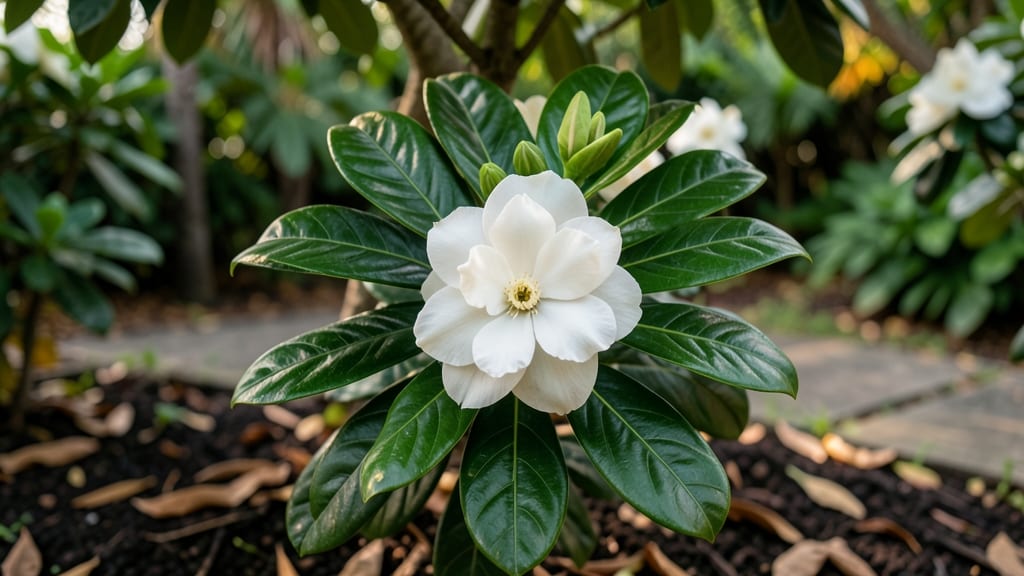
Gardenia blooms occur primarily during late spring through summer months, peaking between May and August, with some varieties like Gardenia jasminoides continuing into early fall in warmer climates like Zones 8-11. Cooler regions (Zones 6-7) typically see shorter bloom periods from June to July.
Understanding gardenia bloom timing depends heavily on your climate zone and specific variety. 🌸 In warmer southern regions, gardenias may start blooming as early as April, while northern growers often wait until June for consistent flowers.
The key difference lies in temperature sensitivity—most gardenias need consistent warmth (above 60°F) to trigger bud formation, which explains why tropical varieties like Gardenia jasminoides bloom later into fall.
What many gardeners don't realize is that daylight exposure plays just as critical a role as temperature. Gardenias require 6+ hours of bright, indirect light daily to maintain their blooming rhythm. In cooler climates, providing supplemental grow lights during short winter days can sometimes coax earlier spring blooms.
The most reliable blooming window remains May through July for most varieties, but with proper care, you can extend that window by 3-4 weeks in either direction.
💡 In This Article
- Gardenia Bloom Timing by Variety and Climate Zones
- Optimizing Gardenia Blooms: Light, Pruning, and Soil Tips
Gardenia bloom timing by variety and climate Zones
Gardenia bloom timing is fundamentally tied to temperature thresholds and daylight duration. The most common variety, Gardenia jasminoides, thrives in Zones 8-11 where it begins flowering as early as April and can continue through October in ideal conditions.
This extended season occurs because tropical gardenias need consistent temperatures above 60°F to trigger bud formation, and southern climates rarely drop below this threshold.
In contrast, temperate varieties like Gardenia augusta (often found in Zones 7-9) typically bloom from June to August, aligning with the region's warmer summer months.
The science behind this timing involves photoperiodism—the plant's response to daylight length.
Gardenias require 12-14 hours of daylight to initiate flowering, which explains why blooms peak during summer solstice months (June-July) in northern climates. 🌞 In Zones 6-7, where winters are colder, gardenias often enter dormancy after September and only resume growth when daytime temperatures consistently exceed 65°F in spring.
This dormancy period helps the plant conserve energy for next year's blooms.
Variety-specific adaptations create noticeable differences in bloom windows. For example, Gardenia radicans (a climbing variety) blooms later than G. jasminoides—typically from July to September—because its tropical origins make it more sensitive to cooler temperatures.
Meanwhile, dwarf varieties like 'Kleim's Hardy' bloom slightly earlier (May-June) due to their ability to tolerate brief cold snaps down to 15°F, making them better suited for Zone 7 gardens.
These variations mean gardeners in transitional zones (like Zone 8) can enjoy nearly year-round blooms by selecting the right cultivars.
Climate also affects bloom intensity. In humid, subtropical regions (like Zone 9), gardenias may produce 3-4 bloom cycles per year due to consistent warmth and moisture, while drier Zone 10 climates might see only 2 cycles unless irrigation is carefully managed.
The key takeaway is that while most gardenias follow a late spring/summer pattern, strategic variety selection and microclimate management can significantly extend—or even double—your blooming season. 🌸
Understanding these patterns helps gardeners plan ahead. For instance, if you live in Zone 6 and want summer blooms, start with hardy varieties like 'Radicans' and supplement with grow lights during winter to maintain the 12-hour daylight requirement.
In Zone 11, where heat can stress plants, afternoon shade and consistent moisture become critical to prevent bud drop before flowering.
One fascinating exception is the 'Veitchii' variety, which blooms in waves throughout the year in tropical climates. This continuous flowering results from its ability to adapt to shorter daylight periods—a trait rare among gardenias.
For most gardeners, however, the classic May-August window remains the most reliable benchmark, with 3-4 weeks of variation depending on local microclimates and care practices.