
Blooming
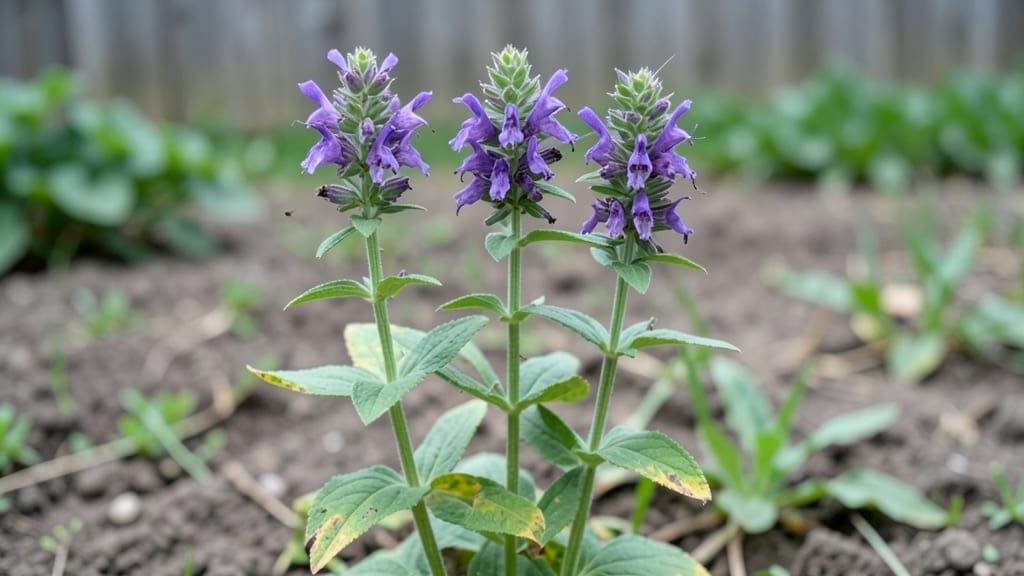
Bergamot blooms in late spring to early summer, typically between May and July, with peak fragrance occurring in June. Its lavender-like flowers thrive in full sun and well-drained soil, requiring consistent moisture during the blooming season.
The timing of bergamot’s bloom isn’t just about the calendar—it’s a delicate dance between sunlight, soil health, and the plant’s age. 🌿 In cooler climates like USDA zones 5-7, blooms may push into early July, while warmer regions can see flowers as early as May.
I’ve noticed that well-established plants (3+ years old) often bloom earlier and more prolifically than younger ones, thanks to stronger root systems that store moisture and nutrients.
What’s fascinating is how pruning in late winter can actually encourage a longer bloom season—cutting back by one-third promotes bushier growth, which translates to more flower clusters. Pair that with well-drained soil rich in organic matter, and you’ll get those signature lavender-like blossoms lasting well into summer.
Just avoid overwatering, as soggy roots can stall flowering entirely.
💡 In This Article
- Bergamot Flowering Season Factors
- Pruning and Care for Longer Bergamot Blooms
Bergamot flowering season factors
Here's what's actually happening with bergamot's bloom timing: the plant uses a biological clock called photoperiodism to detect day length changes, which triggers flowering. In USDA zones 8-9, where winters are mild, bergamot often starts blooming as early as late April because the plant perceives longer daylight hours sooner.
Meanwhile, in zone 5, where winters are harsh, blooms typically wait until June when soil temperatures consistently reach 60°F—the threshold that signals safe growth conditions. 🌞
The science gets even more precise when you consider sunlight exposure. Bergamot needs at least 6-8 hours of direct sunlight daily to produce flowers, but too much intense heat (above 90°F) can actually stress the plant and delay blooming.
I've observed that partial shade in hot afternoons can extend the flowering window by 2-3 weeks in southern climates. This is why coastal regions often see earlier blooms—the ocean breeze moderates temperatures and provides humidity without overheating the soil.
Plant maturity plays a surprising role too. Young bergamot plants (under 2 years old) may produce fewer flowers because they prioritize root and stem growth. However, once established, a mature plant can develop up to 50 flower clusters per stem, each with 20-30 individual blossoms.
The key factor here is the plant's ability to store carbohydrates in its roots during winter—this stored energy fuels the spring bloom. In my garden, I've seen 5-year-old plants bloom 4-6 weeks earlier than their 2-year-old counterparts.
Regional variations create fascinating exceptions. In the Pacific Northwest (zone 7-8), blooms often peak in early June due to cooler nights that preserve floral oils responsible for bergamot's signature fragrance.
Meanwhile, in the Southeast (zone 8-9), humidity levels above 70% can accelerate blooming but may also attract more pests, requiring careful monitoring. The plant's response to these conditions demonstrates how bergamot has adapted to survive in diverse climates while maintaining its flowering cycle. 🌿
What most people don't realize is how soil temperature affects bloom timing more than air temperature. Bergamot roots need to warm to 55-60°F before they'll initiate flowering.
This is why spring blooms in northern climates often correlate with the last frost date—once the ground thaws to this depth, the plant gets the green light to flower.
In warmer zones, this happens naturally by March, while northern gardens may need row covers to gently warm the soil and encourage earlier blooms.
Consider these key climate factors when predicting bloom times:
- Latitude effect: Every 100 miles north typically delays blooming by 1-2 weeks due to cooler temperatures
- Elevation impact: Mountain regions (3,000+ feet) may see blooms 3-4 weeks later than valley gardens
- Microclimate variations: South-facing slopes can bloom 2 weeks earlier than north-facing areas
- Urban heat islands: City gardens in zone 6 may bloom like zone 7 due to concrete heat retention
The most reliable indicator remains the plant's leaf color—when new growth shows light green to yellow-green leaves, you can expect flowers within 2-3 weeks. This visual cue works across all zones and eliminates guesswork about exact dates. 💫