
Blooming
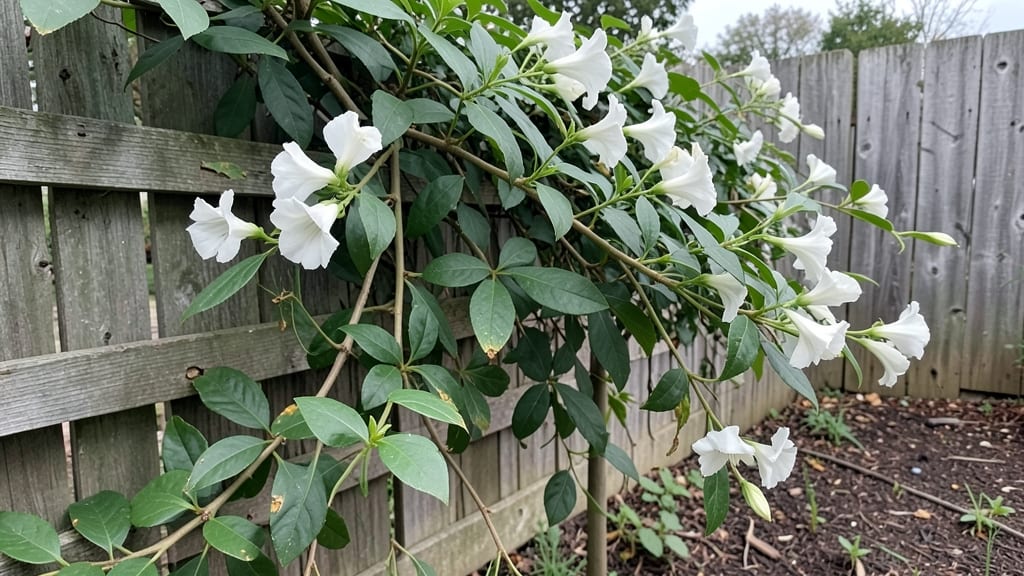
Jasmine blooming season varies by variety and climate, typically peaking in late spring to early summer (May–July) in temperate zones, while tropical jasmines may flower year-round or sporadically. Night-blooming types like Jasminum sambac release their strongest fragrance at dusk, while daytime varieties like Jasminum officinale thrive in warm, sunny conditions.
Timing isn't just about the calendar—it's also about the moon. 🌙 Many gardeners swear by pruning jasmine just after the full moon to trigger new growth, while others focus on temperature shifts.
For instance, Jasminum grandiflorum often needs a brief cold snap to reset its blooming cycle, which is why you’ll see it peak later in the summer than other varieties.
Even in tropical climates, these plants respond to seasonal humidity drops, so keeping soil consistently moist (but not soggy) can coax extra blooms outside the usual window.
What’s fascinating is how light cycles influence fragrance intensity. Night-blooming jasmine like Jasminum sambac releases its signature scent at dusk because cooler evening air preserves the volatile oils that create that intoxicating aroma.
Meanwhile, daytime varieties like Jasminum officinale rely on direct sunlight to fuel their floral production—so a south-facing trellis can make all the difference in extending their season by weeks.
These quirks explain why some gardeners in warm climates report year-round blooms, while others in cooler zones need to coax their plants with strategic care.
💡 In This Article
- Climate Zones and Ideal Growing Conditions for Jasmine Flowers
- Pruning and Care Tips to Extend Jasmine Bloom Duration
Climate zones and ideal growing conditions for jasmine flowers
The key to understanding jasmine blooming cycles lies in how temperature and daylight interact with each plant's native ecosystem. Tropical varieties like Jasminum sambac thrive in USDA hardiness zones 10-11, where consistent warmth (above 65°F) and high humidity (70-80%) create ideal conditions.
These plants evolved in regions like Southeast Asia where monsoon patterns trigger year-round growth, but they need 6-8 hours of bright, indirect light daily to maintain vigorous blooming.
The contrast is stark with temperate jasmines like Jasminum officinale, which require USDA zones 7-9 and a distinct seasonal shift to trigger flowering.
Sunlight exposure creates dramatic differences in bloom timing. Tropical jasmines use diffuse light to conserve moisture, while temperate varieties demand full sun exposure (6+ hours) to produce their signature fragrant flowers.
For example, Jasminum grandiflorum in Mediterranean climates often needs 12-14 hours of daylight during summer months to maximize bloom production, whereas coastal microclimates can extend their season by 4-6 weeks through milder winters.
The science behind this involves photoperiodism—jasmine plants detect changing daylight hours through phytochrome pigments that regulate hormone production for flowering.
Humidity plays an equally critical role in fragrance intensity. Night-blooming varieties like Jasminum sambac release their strongest aromas when relative humidity exceeds 75%, as this preserves volatile oils that create their signature scent. In contrast, daytime jasmines need 50-60% humidity to prevent flower bud drop.
This explains why coastal gardens often produce more fragrant blooms than inland locations—marine air carries higher moisture content that these plants crave. The ideal growing strategy involves positioning plants where they receive both adequate sunlight and natural humidity without waterlogging.
Microclimates can dramatically alter bloom periods. Inland areas with USDA zone 8 winters may see Jasminum officinale bloom from May through July, while coastal zones in the same hardiness range might extend this to April through August.
The difference comes from moderated temperature swings near water bodies, which prevent late-season frost damage. For tropical varieties, even a 10°F temperature drop can halt flowering, making winter protection essential in marginal zones like USDA 9b.
This explains why some gardeners in Florida report year-round blooms while those in Southern California see seasonal patterns.
Soil temperature also matters—jasmine roots prefer 60-70°F soil to establish strong root systems that support flowering. In cooler climates, mulching with 3-4 inches of organic material can maintain these temperatures while retaining moisture.
The interplay between air temperature, humidity, and soil conditions creates a delicate balance that determines whether a jasmine plant will produce one spectacular bloom period or continuous smaller flushes throughout the growing season.
What most gardeners overlook is how wind patterns affect pollination and fragrance dispersion. Coastal areas with steady breezes often produce more abundant blooms because wind stimulates flower development through mechanical stress responses. Inland gardens may need occasional pruning to improve air circulation.
This natural variation explains why some Jasminum polyanthum plants in containers bloom more prolifically than their trellised counterparts—container plants experience more consistent environmental conditions.
The bottom line? Successful jasmine cultivation requires matching plant varieties to their native climate patterns while creating microenvironments that compensate for local deficiencies.
Whether you're growing Jasminum sambac in a greenhouse or Jasminum officinale against a sunny wall, understanding these climate interactions lets you extend bloom periods by weeks—sometimes even months. 🌿