
Blooming
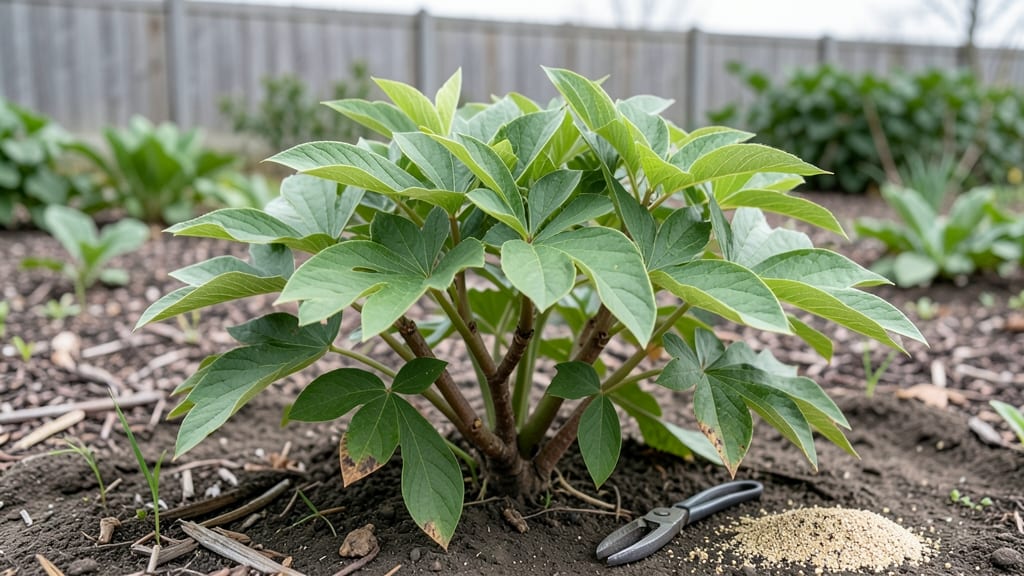
Why aren’t my peonies blooming? The answer lies in one simple fact: they’re not getting what they need to push those lush, fragrant flowers. I’ve seen gardeners spend years waiting for blooms only to realize it’s a simple fix—like sunlight, patience, or even the right pruning timing.
The good news? Most peony problems have straightforward solutions, and once you address them, you’ll have a cloud of blooms in just a few seasons.
Here’s the thing—peonies are slow to mature, often taking 3-5 years to reach full bloom. But if they’re past that age and still struggling, it’s usually sunlight, over-fertilizing, or improper pruning.
I once killed a peony patch by cutting back too aggressively in spring, and it took two years to recover. The fix? Less pruning, more patience, and a focus on what peonies truly crave: 6+ hours of sunlight daily and a balanced approach to feeding.
By the end of this, you’ll know exactly how to adjust your care routine for vibrant, fragrant blooms—no more guessing. We’ll cover sunlight needs, pruning mistakes to avoid, and the best fertilization schedule. Your peonies will thank you with football-sized flowers that make every spring worth the wait.
Works for backyard borders, container gardens, and even cut-flower arrangements. Let’s get those buds popping!
Why it happens
Peonies are the crown jewels of the garden—lush, fragrant, and undeniably dramatic. But if your plants are throwing a no-show on the blooms, don’t panic! The culprits are usually hiding in plain sight, often tied to their biological quirks and environmental needs.
Let’s dig into the science behind why your peonies might be holding back their floral fireworks.
###
🌱 Age Matters: Peonies Need Patience
Peonies are biennial in their first year, meaning they focus on root and leaf growth before even thinking about flowers. But here’s the kicker: most peonies won’t bloom reliably until they’re 2–3 years old—and some heritage varieties take even longer.
The reason? Their energy is stored in corms (swollen underground stems), and it takes time to build up enough reserves for those showstopping blooms.
Why it happens: Young plants prioritize root expansion over flowering, a survival tactic to establish stability. If you planted peonies last season and expected instant glamour, you might be disappointed—but don’t give up! Patience pays off.
💡 Pro Tip: If your peony is over 5 years old and still struggling, it might be time to divide and rejuvenate the clump. Overcrowded roots compete for nutrients, stifling bloom production.
###
☀️ Lighting the Wrong Fire: Too Much or Too Little Sun
Peonies are sun worshippers, but they’re not desert survivors. Too little light = leggy stems and sparse blooms. Too much harsh afternoon sun (especially in hot climates) = heat stress, which can cause buds to brown and drop before opening.
Why it happens: Peonies thrive in full sun (6–8 hours daily), but they need gentle morning sun + afternoon shade in zones with intense heat (like the South or Southwest). Their buds form in late winter/early spring, and if temperatures spike above 85°F (29°C) during this critical window, the plant aborts flower development to conserve energy.
🌡️ Science Alert: Peonies use a process called thermogenesis—they generate heat in their buds to trigger blooming. If ambient temps are too high, this natural mechanism gets disrupted, and buds fail to open.
💡 Pro Tip: In hot climates, use light dappled shade (like under a tree with sparse branches) or a 30% shade cloth during peak afternoon heat. Mulch with straw or wood chips to keep roots cool.
###
💧 Water Woes: Drowning or Dehydrating the Roots
Peonies are drought-tolerant once established, but they hate inconsistent moisture—whether from overwatering or neglect. Both extremes stress the plant, diverting energy away from blooms.
Why it happens:
- Overwatering: Peonies need well-draining soil. Soggy roots suffocate them, leading to root rot (a fungal infection that blocks nutrient uptake). Without proper hydration, the plant can’t transport sugars to developing buds.
- Underwatering: While peonies are tough, prolonged dry spells (especially during bud formation in spring) trigger dormancy-like stress. The plant conserves water by aborting flower production.
📊 The Goldilocks Zone: Water deeply 1–2 times per week (more in extreme heat) to moisten the soil 6–8 inches down. Use the finger test: If the top 2 inches are dry, it’s time to water.
⚠️ Warning: Peonies planted in clay soil are prone to overwatering. Amend with compost or sand to improve drainage.
###
🌿 Nutrient Imbalance: Starving or Overfeeding
Peonies aren’t high-maintenance, but they do need the right balance of nutrients—especially phosphorus and potassium—to fuel blooms. Too much nitrogen? Lush leaves, no flowers. Too little of the right stuff? Bud drop or failure to open.
Why it happens:
- Excess Nitrogen (N): Fertilizers high in nitrogen (like lawn fertilizers) promote foliage growth at the expense of flowers. Peonies need a balanced 5-10-10 or 10-20-20 NPK ratio (nitrogen-phosphorus-potassium).
- Phosphorus (P) Deficiency: This nutrient is critical for root and flower development. Without enough P, buds may form but fail to mature or drop off.
- Potassium (K) Shortage: Potassium helps regulate water and nutrient uptake. Low K levels weaken the plant, making it susceptible to disease and stress, which can halt blooming.
💡 Pro Tip: Feed peonies in early spring (when buds form) with a low-nitrogen, high-phosphorus fertilizer (like 5-10-5). Avoid fertilizing in summer or fall, as it encourages late-season growth that’s vulnerable to frost damage.
🌱 Organic Boost: Work bone meal (for phosphorus) or wood ash (for potassium) into the soil in early spring for a natural nutrient kick.
###
✂️ Pruning Pitfalls: Cutting Too Late or Too Hard
Peonies hate being pruned at the wrong time. A single misstep can delay or prevent blooming for the entire season.
Why it happens:
- Pruning After Blooms Fade: Peonies store energy in their foliage until it browns naturally (usually late summer/early fall). Cutting too soon removes the plant’s food factory, leaving no reserves for next year’s buds.
- Severing the Eyes: The eyes (buds) form at the base of last year’s stems. If you cut too low (below 2 inches from the ground), you remove next year’s blooms.
- Over-Pruning: Trimming back more than 1/3 of the foliage stresses the plant, reducing its ability to photosynthesize and store energy.
⏰ The Rule: Wait until late fall or early winter to prune peonies. Cut stems back to 2–3 inches above the ground once the foliage is completely brown and crispy
Quick Fixes for Peony Perfection
Now that you’ve pinpointed the culprit behind your peonies’ lackluster blooms, it’s time to roll up your sleeves and bring them back to life! Below are practical, step-by-step solutions tailored to each common cause—plus prevention tips to keep your peonies thriving for years.
🌱 Overcrowded Roots? Thin Them Out
Peonies hate competition, and packed roots mean fewer blooms. Solution:
- 🔪 Dig up the plant (spring or early fall) and gently separate the roots with your hands or a clean knife.
- 🌿 Trim damaged or weak roots, keeping only the healthiest, fleshy crowns (the thick, knobby base).
- 📏 Space them 3–4 feet apart—this gives them room to grow strong and produce abundant blooms.
- 💧 Water deeply after replanting to reduce shock.
💡 Pro Tip: If your peony is very old (10+ years), dividing it can rejuvenate blooms. Just avoid dividing if the plant is young (<5 years).
☀️ Too Much Sun or Shade? Find the Goldilocks Spot
Peonies need 6–8 hours of sunlight but can scorch in extreme heat. Solution:
- 🌞 Move to partial shade (morning sun + afternoon shade) if leaves look crispy or yellow.
- 🌿 Add mulch (2–3 inches of straw or wood chips) to protect roots from heat stress.
- ❄️ Shield from harsh winter winds with a burlap wrap or evergreen barrier.
🌡️ Heatwave Hack: If temps hit 90°F+, mist leaves lightly in the evening to cool them down.
💧 Water Woes? Master the Moisture Balance
Too much or too little water stresses peonies. Solution:
- 🚰 Check soil moisture—stick your finger 2 inches deep. If dry, water deeply (1–1.5 inches per week).
- 🌧️ Improve drainage by amending clay soil with compost or sand.
- 🚫 Avoid soggy soil—peonies rot easily. Ensure pots have drainage holes or plant on a slight mound.
✨ Drip Irrigation Tip: Set up a slow drip system at the base to keep roots consistently moist without overwatering.
🍄 Fungal Foes? Clean Up and Protect
Powdery mildew or botrytis can smother blooms before they open. Solution:
- 🧼 Prune infected stems (cut 1 inch below the lesion) and sterilize shears with rubbing alcohol.
- 🌿 Space plants wider (3–4 feet) for airflow.
- 🛡️ Spray preventatively with neem oil or baking soda mix (1 tbsp baking soda + 1 tsp dish soap + 1 gallon water) every 2 weeks in humid climates.
🔥 Early Morning Spray: Apply fungicide before 9 AM to let it dry in the shade, reducing mildew risk.
🌿 Nutrient Deficiency? Feed Like a Pro
Peonies need phosphorus and potassium for blooms. Solution:
- 📊 Test your soil (kits are cheap and easy) to check pH (ideal: 6.5–7.0).
- 💪 Fertilize in early spring with a low-nitrogen, high-phosphorus formula (like 5-10-10).
- 🍎 Top-dress with compost in fall to replenish nutrients naturally.
- 🚫 Skip high-nitrogen fertilizers—they promote leafy growth at the expense of flowers!
🎯 Slow-Release Boost: Use bone meal (for phosphorus) or kelp meal (for potassium) in spring for a steady nutrient supply.
⏳ Patience Needed? Give Them Time
Young peonies (under 3 years) may take time to establish. Solution:
- 🌱 Be patient—some varieties bloom in year 2–3.
- 🌿 Deadhead spent blooms to encourage reblooming (if your variety is a rebloomer like ‘Sarah Bernhardt’).
- 🌸 Stake tall stems (especially in windy areas) to prevent breakage.
💡 Variety Check: Some peonies (like ‘Bowl of Beauty’) are single-bloomers—they only flower once per year! Research your type to manage expectations.
🛡️ Prevention Checklist for Next Year
Keep your peonies blooming beautifully with these easy maintenance habits: ✅ Divide every 5–7 years to prevent overcrowding. ✅ Mulch annually (fall) with 2–3 inches of organic matter. ✅ Monitor for pests (aphids, Japanese beetles)—spray with soapy water or neem oil if needed. ✅ Avoid late-season pruning (after Labor Day)—this can stimulate new growth that won’t harden off for winter. ✅ Protect from deer with a chicken wire cage if they’re a problem in your area.
🌸 Remember: Peonies are low-maintenance divas—they just need the right conditions to shine. With these fixes, you’ll be rewarded with lush, fragrant blooms that’ll make your garden the envy of the neighborhood! 🌿✨
Frequently asked questions
Why do my peonies take so long to bloom?
Peonies are patient plants—most won’t produce blooms until they’re 2-3 years old, and some heritage varieties take even longer. They prioritize root and leaf growth first, storing energy in their corms until they’re ready to reward you with flowers. If your peony is older than 5 years but still struggling, it might need dividing to rejuvenate.
How do I fix overcrowded peony roots?
Dig up the plant in spring or early fall, gently separate the roots, and trim any damaged or weak sections. Space the healthiest crowns 3-4 feet apart to give them room to thrive. Water deeply after replanting to help them recover. This simple step can dramatically improve bloom production!
Is it too late to save my peonies if they didn’t bloom this year?
Not necessarily! If your peonies are young (3 years old), they may just need more time to mature. For older plants, focus on improving sunlight (6-8 hours daily), adjusting watering, and fertilizing with low-nitrogen, high-phosphorus options. Next year should show improvement!
What’s the best way to fertilize peonies for blooms?
Use a balanced 5-10-10 or 10-20-20 fertilizer in early spring when buds form. Avoid high-nitrogen fertilizers—they promote leaves over flowers! For an organic boost, work bone meal (for phosphorus) into the soil. Always test your soil’s pH first (ideal range: 6.5-7.0).
Can I move my peonies to a sunnier spot now?
It’s best to transplant peonies in early fall or spring when they’re dormant. Moving them now could stress the plant, especially if it’s already struggling. If you must relocate, choose a spot with 6+ hours of sunlight and water deeply to help them establish. Patience is key—peonies recover slowly!