
Blooming
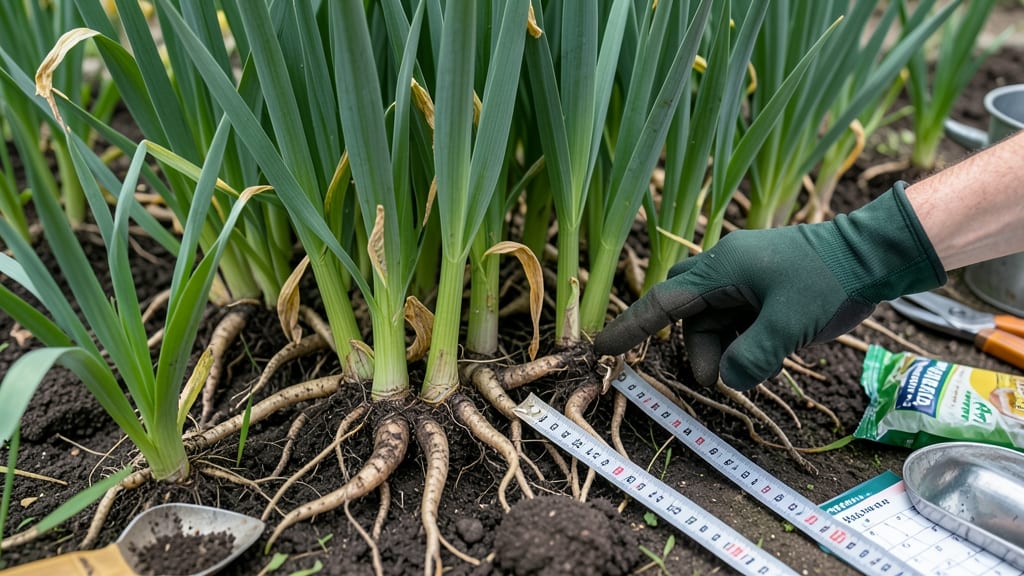
Why didn’t my iris bloom this year? 🌱 I’ve stared at my own stubborn clumps wondering the same thing—turns out, it’s usually one of three overlooked fixes: sunlight, soil, or timing. The good news? Each has a simple solution that guarantees next year’s showstopping display.
First, check the light: irises need 6-8 hours of direct sun daily—if your clump’s in shade, move it. Then dig into the soil: compacted or nutrient-poor ground starves the rhizomes.
A 2-inch layer of compost in spring does wonders. Finally, timing matters—irises bloom on old growth, so cutting back last year’s foliage too early robs them of energy.
By next spring, you’ll see tall, sturdy stems packed with buds. The key is patience: divide overcrowded clumps every 3-4 years to refresh growth, and fertilize lightly in early spring. No more blank patches—just vibrant purple, yellow, or white blooms that last for weeks.
Works for bearded, Siberian, and Japanese irises alike. Here’s how to diagnose your specific case—no guesswork involved.
The Hidden Reasons Behind Missing Blooms
If your iris plants are looking lush but stubbornly bloom-free this year, don’t panic—there’s usually a clear (and fixable) reason behind it. Irises are resilient, but they’re also particular about their growing conditions. Let’s break down the most common culprits that can keep them from putting on their floral show.
Irises are sun-worshippers, and too little light is one of the fastest ways to stall blooming. These plants thrive in full sun (6–8 hours of direct light daily), especially during their active growing season (spring through early summer). Without enough sunlight:
- Energy production drops: Photosynthesis slows, leaving less glucose for flower development.
- Weaker stems form: Light deprivation leads to leggy, weak flower stalks that may not even emerge.
- Delayed dormancy cues: Irises rely on daylight length to trigger blooming—too little light confuses their internal clock.
💡 Pro Tip: If your irises are in a partially shaded spot (e.g., under trees or near tall structures), consider relocating them to a sunnier area. Even dappled shade can reduce bloom quality. Southern exposures are ideal in the Northern Hemisphere, while northern exposures work best in the Southern Hemisphere.
Irises aren’t fussy about soil type, but they hate soggy, nutrient-rich, or compacted soil. Here’s how soil issues sabotage blooms:
| Problem | Why It Stops Blooms | Fix It |
|---|---|---|
| Too much nitrogen | Encourages leafy growth at the expense of flowers (think "grass" instead of blooms). | Use a low-nitrogen, high-phosphorus fertilizer (e.g., 5-10-10) in early spring. |
| Compacted or clay-heavy soil | Restricts root oxygen uptake, weakening the plant’s ability to store energy for blooms. | Amend with coarse sand or gritty compost (irises prefer "fast-draining" soil). |
| Overly fertile or manure-heavy soil | Leads to excessive foliage but stunts flower buds. | Plant in well-draining, mineral-rich but not "rich" soil—think sandy loam. |
🔥 Warning: Avoid fresh mulch or compost piled around the rhizomes—it can rot them and prevent blooming. Irises need bare soil exposure around their tops.
Irises have a bloom cycle tied to their age and planting time. If they’re not established properly, they may skip flowering entirely. Here’s how timing goes wrong:
- Planted too late: Irises need 6–8 weeks before winter to establish roots. Planting in fall (September–October in most zones) is ideal; spring planting can delay blooms by a year.
- Overcrowded rhizomes: When clumps get too dense (usually after 3–5 years), they compete for resources, and older rhizomes stop blooming. Dividing them every 3–4 years rejuvenates growth.
- Divided at the wrong time: Split rhizomes in late summer or early fall (after blooming). Dividing in spring can shock the plant and delay next year’s flowers.
✨ Quick Fix: If your irises are mature but not blooming, dig up the clump, separate the rhizomes (discard the smallest ones), and replant the healthiest sections in a sunny, well-draining spot.
Irises are drought-tolerant but need consistent moisture during key growth phases. Here’s how watering goes wrong:
- Underwatering: Stress from dry soil diverts energy to survival, not blooms. Irises need 1–1.5 inches of water weekly (more in extreme heat).
- Overwatering or soggy soil: Root rot sets in, and the plant can’t absorb nutrients. Irises hate wet feet—their rhizomes should never sit in standing water.
- Irregular watering: Fluctuations between drought and flood stress the plant, delaying bloom signals.
🎯 Best Practice: Water deeply but infrequently—aim for 1–2 inches per week, letting the soil dry slightly between waterings. Use drip irrigation or soaker hoses to avoid wetting the foliage (which can cause disease).
Irises need cold stratification (a period of cool temps) to trigger blooming, but timing matters. If they experience:
- Unseasonably warm winters: The plant may not get the chill hours needed to "wake up" for spring blooming.
- Late spring frosts: New flower buds can be damaged before they open.
- Heatwaves before blooming: Stress from sudden heat can cause buds to drop.
🌡️ Climate Hack: In warm-winter zones, irises may bloom later or less vigorously. Try lightly mulching with gravel (not organic mulch) to regulate soil temps. If frosts are a risk, plant taller varieties that emerge later.
Hidden invaders can drain your iris’s energy, leaving no power for blooms. Watch for:
- Iris borers: Larvae burrow into rhizomes, causing yellowing leaves and stunted growth. Signs: Sawdust-like frass or chewed rhizomes.
- Root rot (from fungi like Phytophthora): Overwatered or poorly drained soil leads to mushy, discolored roots.
- Aphids or thrips: Sap-sucking pests weaken stems, causing buds to abort.
🔪 Pest Control:
- For borers: Handpick larvae or apply neem oil in early summer.
- For rot: Improve drainage and treat with copper fungicide.
- For aphids: Spray with soapy water or introduce ladybugs.
Revive Your Irises Now
If your irises refused to bloom this year, don’t panic—there’s still time to diagnose and fix the issue! Below, we’ve mapped out practical solutions for the most common causes, along with prevention tips to keep your irises thriving next season.
Follow these steps to coax those beautiful blooms back into action.
Irises need well-draining, nutrient-rich soil to flourish. If your soil is too dense, compacted, or lacking essential nutrients, your irises may skip blooming.
How to Fix It: 🔥 Test Your Soil – Grab a small sample and squeeze it. If it stays in a tight ball, it’s too compacted. A crumbly texture is ideal. 🍳 Amend the Soil – Mix in compost, sand, or perlite to improve drainage. For nutrient-poor soil, add a balanced fertilizer (like 10-10-10) in early spring. 👨🍳 Adjust pH Levels – Irises prefer slightly acidic to neutral soil (pH 6.0–7.0). Test your soil with a kit, and amend with lime (to raise pH) or sulfur (to lower pH) as needed.
💡 Pro Tip: Avoid heavy clay soil—irises hate soggy roots. If drainage is poor, consider planting in a raised bed or mound.
Irises crave full sun (6–8 hours daily). If they’re shaded by trees, buildings, or taller plants, they may conserve energy instead of blooming.
How to Fix It: 🔥 Relocate Your Irises – If possible, transplant them to a sunnier spot in your garden. Early fall or spring is the best time to move them. 🍳 Thin Out Overgrowth – Trim back nearby shrubs, trees, or weeds blocking sunlight. Even a few extra hours of sun can make a difference! 👨🍳 Use Reflective Mulch – If relocating isn’t an option, try light-colored mulch (like gravel or white stones) around the base to reflect sunlight.
✨ Quick Fix: If you can’t move them yet, prune competing plants immediately to free up light.
Irises need proper timing for blooming. If planted too late or too early, they may struggle to establish strong roots before winter.
How to Fix It: 🔥 Know the Best Time – Plant bare-root irises in early fall (8–12 weeks before frost) or container-grown irises in early spring. 🍳 Divide Overcrowded Clumps – If your irises are older than 5 years, they may be overcrowded. Dig up the rhizomes, discard the old center, and replant the healthy outer sections in fresh soil. 👨🍳 Give Them a Head Start – If you missed fall planting, soak bare-root irises in water for 12 hours before planting in early spring to reduce transplant shock.
🎯 Prevention Tip: Mark your garden calendar—fall is the golden window for iris planting!
Too much or too little water can stress irises. They need consistent moisture but hate soggy roots.
How to Fix It: 🔥 Water Deeply, Not Frequently – Give them 1 inch of water per week, either from rain or irrigation. Drip irrigation is ideal to keep water at the roots. 🍳 Avoid Overhead Watering – Wet foliage can lead to rot or fungal diseases. Water at the base instead. 👨🍳 Check for Root Rot – If leaves turn yellow or mushy, your irises may be overwatered. Let the soil dry slightly between waterings.
🌡️ Hot Weather Hack: During droughts, mulch with straw to retain moisture and protect roots.
Aphids, iris borers, or fungal infections can drain energy from your plants, preventing blooms.
How to Fix It: 🔥 Spot & Squash Pests –
- Aphids? Spray with soapy water or introduce ladybugs.
- Iris borers? Dig up affected rhizomes, scrub off larvae, and treat with neem oil.
🍳 Fungal Issues? – If leaves have black spots or powdery mildew, remove infected foliage and apply copper fungicide. 👨🍳 Prevent Future Infestations – Plant irises in well-draining soil and avoid overhead watering to discourage pests.
💡 Early Action Matters: Catching pests early (before they spread) saves your irises!
If your irises endure freeze-thaw cycles, heavy snow, or late frosts, they may struggle to bloom.
How to Fix It: 🔥 Mulch in Late Fall – Apply a 2–3 inch layer of straw or shredded leaves after the first frost to insulate roots. 🍳 Choose Cold-Hardy Varieties – Some irises (like Siberian or Louisiana irises) handle cold better than others. Research your zone! 👨🍳 Avoid Early Spring Fertilizer – Wait until after the last frost to fertilize—early feeding can encourage tender new growth that gets damaged by cold.
✨ Winter Prep Tip: If your area gets extreme cold, consider covering rhizomes with burlap for extra protection.
To ensure stunning blooms next season, follow this quick action plan: ✅ Test & amend soil in early spring. ✅ Plant or divide irises in fall (best time!). ✅ Ensure 6+ hours of sunlight daily. ✅ Water deeply but infrequently. ✅ Monitor for pests & treat early. ✅ Mulch in fall & spring for insulation.
With these fixes, your irises will bounce back stronger—and next year, you’ll be rewarded with vibrant, show-stopping blooms! 🌸💜
Frequently asked questions
Why do my iris leaves look healthy but still refuse to bloom?
Healthy-looking foliage doesn’t always mean your irises are storing enough energy for blooms. The most common reasons are overcrowded rhizomes (older than 5 years), too much nitrogen fertilizer (which encourages leaves over flowers), or shaded growing conditions. Try dividing your clumps in late summer or moving them to full sun.
Can I force my irises to bloom out of season?
Irises bloom based on natural light cycles and dormancy needs—you can’t truly force them out of season. However, you can encourage earlier blooms by providing consistent sunlight and light fall fertilization (like a 5-10-10 mix). For container-grown irises, moving them to a sunnier spot in late winter may nudge them to bloom slightly earlier.
What’s the difference between old and new iris rhizomes, and why does it matter?
Old rhizomes (the center of clumps) are grayish and woody—they rarely bloom and should be discarded. New rhizomes (outer sections) are firm, plump, and tan-colored with roots forming at the bottom. When dividing, keep only these healthy outer sections to ensure strong blooms next year.
Will cutting back iris leaves after blooming prevent next year’s flowers?
No—actually, never cut back foliage until it turns yellow! The leaves feed the rhizomes for next year’s blooms. Cutting too early starves the plant. Wait until 6 weeks after blooming or when leaves naturally wither, then trim to 3 inches above the rhizome.
How do I know if my irises are getting enough sunlight?
Check for leggy stems or weak flower stalks—these are classic signs of light deprivation. Irises need 6-8 hours of direct sun daily. Test your spot by placing a white board vertically in the ground for a week—if it casts a shadow for less than 6 hours, your irises need more light.