
Blooming
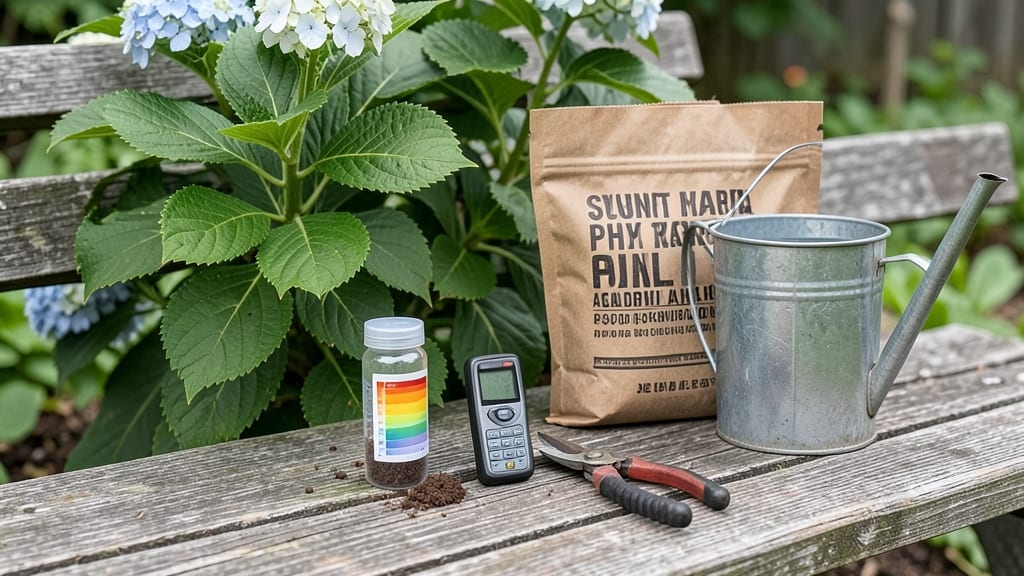
Why didn’t my hydrangea bloom this year? You’re not alone—staring at lush green stalks instead of flowers can be frustrating, but the good news is it’s almost always fixable. Next season could be your most spectacular yet. Hydrangeas are finicky about sunlight, pruning timing, and even the pH of your soil, but once you know what went wrong, you can adjust care to get those big, showy blooms back.
Here’s the thing—hydrangeas need 6-8 hours of sunlight daily to bloom, but too much afternoon sun can scorch leaves. If your plant’s in shade, move it closer to a sunny spot (but not full sun in hot climates).
Then check your pruning: if you cut back old wood in spring, you’ve likely trimmed off next year’s flower buds. And don’t forget soil pH—blue blooms need acidic soil (pH 5.0-5.5), while pinks thrive in neutral (pH 6.0-6.5).
By next summer, you’ll see clusters of blooms if you adjust just one of these factors. Start with sunlight and pruning, then test your soil—it’s the easiest way to guarantee those lush, colorful blooms.
The key is patience: hydrangeas take 2-3 months to show results after changes, but it’s worth the wait for that jaw-dropping display.
Whether you’re dealing with a container plant or a backyard shrub, these fixes work everywhere. Grab your gloves and let’s troubleshoot—your hydrangea’s comeback starts now.
Hidden Reasons Your Hydrangeas Skipped Blooms
Hydrangeas are finicky but rewarding plants—when they don’t bloom, it’s usually a sign that something fundamental went wrong. The good news? Most issues are fixable with a little detective work. Let’s break down the real culprits behind your hydrangea’s no-show blooms, from soil secrets to seasonal surprises.
Hydrangeas (Hydrangea macrophylla, H. paniculata, and H. arborescens) need 4–6 hours of direct sunlight daily to trigger flowering. Too little light means the plant diverts energy to leaf growth instead of buds.
- Why it happens: In low light, photosynthesis slows, and the plant prioritizes survival over reproduction.
Overcrowded roots (from lack of pruning or poor spacing) also starve the plant of nutrients, leaving it too weak to bloom. - Actionable fix: - Move your hydrangea to a sunnier spot (morning sun is ideal; harsh afternoon sun can scorch leaves). - Prune back old wood (for mophead/bigleaf types) in late winter to improve airflow and root access to nutrients. - Divide clumps every 3–5 years if roots are tangled—this rejuvenates growth.
Hydrangeas are thirsty divas—they need consistently moist (not soggy) soil to set buds. Too much or too little water throws off their blooming cycle.
- Why it happens: - Drought stress: Buds form in late summer/early fall, but if the plant wilts during this time, it aborts flowers. 🌡️ Pro tip: Hydrangeas need 1–1.5 inches of water per week (more in heatwaves). - Poor drainage: Soggy roots suffocate roots, preventing nutrient uptake.
Hydrangeas hate "wet feet." - Extreme pH swings: Bigleaf hydrangeas (the blue/pink types) are especially sensitive. pH below 5.5 or above 6.5 can block flower production. - Actionable fix: - Test your soil’s pH (aim for 5.2–5.5 for blue flowers, 6.0+ for pink).
Adjust with sulfur (to lower pH) or lime (to raise pH). - Mulch heavily (3–4 inches of organic mulch) to retain moisture and regulate soil temp. - Water deeply 2–3 times per week in dry spells, aiming for 6 inches of soil moisture.
Pruning at the wrong time can remove next year’s flower buds before they form. Hydrangeas bloom on old wood, new wood, or both, depending on the type.
- Why it happens: - Pruning in fall/winter: Old-wood bloomers (like H. macrophylla) set buds on last year’s stems.
Cutting them back too early removes potential flowers. - Over-pruning new growth: Panicle hydrangeas (H. paniculata) bloom on current season’s growth, but aggressive pruning can stunt bud formation. - Not knowing your type: Did you prune a mophead like a smooth hydrangea?
Big mistake. - Actionable fix: - Bigleaf hydrangeas (mophead/smooth): Prune right after blooming (late summer) to shape, but never cut back old stems until spring. - Panicle/paniculata types: Prune in late winter/early spring to encourage new blooms on current growth. - Oakleaf hydrangeas: Prune in late winter to remove dead wood but leave some old stems for flowers.
Too little (or too much!) fertilizer can derail blooming. Hydrangeas need balanced nutrition, but timing matters.
- Why it happens: - Low phosphorus: Phosphorus (_P_ in NPK) is critical for flower development.
If your fertilizer lacks it (e.g., high-nitrogen lawn food), buds won’t form. - Excess nitrogen: Too much _N_ (like from fresh manure or lawn fertilizer) promotes leafy growth at the expense of flowers. - Micronutrient gaps: Deficiencies in magnesium, calcium, or boron can cause bud drop. - Actionable fix: - Use a balanced, bloom-boosting fertilizer (e.g., 10-10-10 or 5-10-10) in early spring and after mid-summer. - Avoid high-nitrogen feeds (like 30-0-0) unless you want foliage, not flowers. - Add compost or bone meal (for phosphorus) in fall to prep for next year’s blooms.
Hydrangeas are sensitive to temperature swings, especially during bud set (late summer/early fall).
- Why it happens: - Early fall frost: Buds form in August–September.
A sudden freeze can kill developing buds before they open. - Heatwaves in summer: Stress from 90°F+ temps can cause buds to abort or fail to develop. - Winter dieback: Freeze-thaw cycles can damage stems, reducing next year’s flower potential. - Actionable fix: - Mulch heavily in fall (4–6 inches of straw or shredded leaves) to insulate roots. - Water deeply before first frost to help the plant store moisture for winter. - Choose cold-hardy varieties (e.g., H. paniculata ‘Limelight’ or H. arborescens ‘Annabelle’) if your climate is harsh.
💡 Quick Fix Checklist: ✅ Move to sunnier spot if needed ✅ Test soil pH and adjust ✅ Prune at the right time for your hydrangea type ✅ Fertilize with phosphorus-rich feed in spring/fall ✅ Mulch to retain moisture and regulate temp
Quick Fixes for Next Year’s Blooms
Now that you’ve pinpointed why your hydrangeas skipped their floral show, it’s time to turn things around! Below are practical, step-by-step solutions tailored to each common cause—plus pro tips to keep your hydrangeas thriving for seasons to come. 🌸💦
Problem: Overfeeding with nitrogen-heavy fertilizers (like lawn food) fuels lush foliage but stunts blooms.
How to Fix It: 🔥 Switch to a bloom-boosting fertilizer – Use a balanced or phosphorus-rich formula (look for a 5-10-5 or 10-20-10 ratio on the label). Apply in early spring (before new growth starts) and again in early summer (when buds form). 🍳 DIY fertilizer hack – Mix 1 part bone meal (for phosphorus) with 2 parts compost and sprinkle around the base. Water well. 👨🍳 Avoid lawn fertilizer – It’s packed with nitrogen, which is great for grass but terrible for hydrangea blooms.
💡 Prevention Tip:
- Test your soil (kits are cheap and available at garden centers) to check nutrient levels before fertilizing.
- Feed lightly—hydrangeas are sensitive to over-fertilizing. A little goes a long way!
Problem: Hydrangeas need 6+ hours of sunlight daily to set buds. Too little shade = weak growth and no flowers.
How to Fix It: 🔥 Move or prune nearby obstacles – Trim back overgrown trees, shrubs, or fences blocking sunlight. 🍳 Choose the right spot – If relocating isn’t an option, prune competing plants to open up the area. 👨🍳 Opt for sun-loving varieties – If your garden is shady, try ‘Endless Summer’ or ‘Limelight’ hydrangeas, which tolerate partial shade better than others.
💡 Prevention Tip:
- Monitor sunlight patterns – Take notes in spring/summer to see where shadows fall. Hydrangeas in deep shade may never bloom well.
Problem: Hydrangeas hate soggy roots. Overwatering or compacted soil stresses plants, preventing bud formation.
How to Fix It: 🔥 Check drainage – Dig a hole near the plant and fill it with water. If it drains in less than 30 minutes, your soil is fine. If not, amend the soil with compost or perlite. 🍳 Water deeply but less often – 1–2 inches per week (more in extreme heat). Let the top 1–2 inches of soil dry out between waterings. 👨🍳 Raise beds or add mulch – If your yard is clay-heavy, plant in a raised bed or top-dress with 3–4 inches of mulch (wood chips or pine straw) to improve drainage.
💡 Prevention Tip:
- Use a moisture meter ($10 at garden stores) to track soil moisture accurately.
- Avoid watering at night—wet foliage invites fungal diseases.
Problem: Pruning at the wrong time (late winter/early spring for old wood bloomers) removes next year’s flower buds.
How to Fix It: 🔥 Know your hydrangea type –
- Bigleaf & Oakleaf (bloom on old wood) → Prune right after flowering (summer/early fall).
- Panicle & Smooth (bloom on new wood) → Prune in late winter/early spring before buds swell.
🍳 Deadhead spent blooms – Snip off faded flowers in summer to encourage new growth (but leave some seed heads for winter interest). 👨🍳 Avoid drastic cuts – Never prune back more than 1/3 of the plant in one season.
💡 Prevention Tip:
- Label your hydrangeas if you have multiple types to avoid pruning mistakes.
- Take photos before pruning—helps visualize what to keep!
Problem: Late frosts, heatwaves, or sudden cold snaps can shock buds off before they open.
How to Fix It: 🔥 Protect early buds – Cover young plants with frost cloth if a late frost is forecast. 🍳 Water deeply before cold snaps – Hydrated roots handle temperature shifts better. 👨🍳 Choose cold-hardy varieties – ‘Annabelle’ or ‘Nikko Blue’ tolerate temperature swings better than tropical types.
💡 Prevention Tip:
- Mulch heavily in fall (4–6 inches of straw or leaves) to insulate roots.
- Avoid fertilizing late in the season—new growth is more vulnerable to frost damage.
Problem: Aphids, slugs, or fungal diseases (like powdery mildew) weaken plants, reducing blooms.
How to Fix It: 🔥 Inspect leaves regularly – Look for holes (slugs), sticky residue (aphids), or white powder (mildew). 🍳 Treat pests naturally –
- Aphids: Spray with soapy water (1 tsp mild soap + 1 quart water).
- Slugs: Set out beer traps (bury a cup filled with beer) or use copper tape around the base.
👨🍳 Improve airflow – Space plants 3–5 feet apart to reduce humidity (which fuels mildew).
💡 Prevention Tip:
- Water at the base (not overhead) to keep foliage dry.
- Rotate sprays if pests return—don’t rely on one method.
🎯 Final Pro Tip: Keep a gardening journal! Note when you fertilize, prune, and water—this helps you spot patterns and adjust for next year. With these fixes, your hydrangeas will burst with blooms come summer! 🌺✨
Frequently asked questions
Why did my hydrangea leaves turn yellow instead of blooming?
Yellow leaves usually signal overwatering, poor drainage, or nutrient deficiencies. Check if your soil stays soggy—hydrangeas hate "wet feet." Test your soil pH too: below 5.5 or above 6.5 can block blooms while causing leaf discoloration. Amend with compost or adjust pH with sulfur/lime.
Can I still get flowers if I pruned at the wrong time?
It depends! If you cut back old wood bloomers (like mophead types) in late winter, you’ve likely removed next year’s buds. For panicle types (new wood bloomers), you may still get flowers—but expect smaller clusters. Next year, prune right after blooming for old wood types or in late winter for new wood types.
How do I know if my hydrangea needs more sun or less?
Observe leaf color: Pale, sparse leaves mean more sun (up to 6 hours daily), while dark green but leggy growth means it’s getting too much shade. Move gradually—sudden sun exposure can scorch leaves. Morning sun is ideal; afternoon sun may need afternoon shade in hot climates.
Will last year’s pruning mistakes affect this year’s blooms?
Not necessarily! Hydrangeas are resilient. If you over-pruned last year, focus on proper care now: fertilize with phosphorus-rich food, water consistently, and mulch heavily. Most varieties rebound within 2-3 seasons with corrective care. The key is patience—don’t prune again until you’ve identified your hydrangea type!
Can container-grown hydrangeas bloom as well as in-ground plants?
Containers actually give you more control over sunlight, water, and soil quality—critical factors for blooming. Use a well-draining potting mix with peat moss (for acidity) and fertilize monthly with a bloom booster. Just ensure the pot is at least 15 gallons for mature plants and move it to a sunny spot in spring.