
Blooming
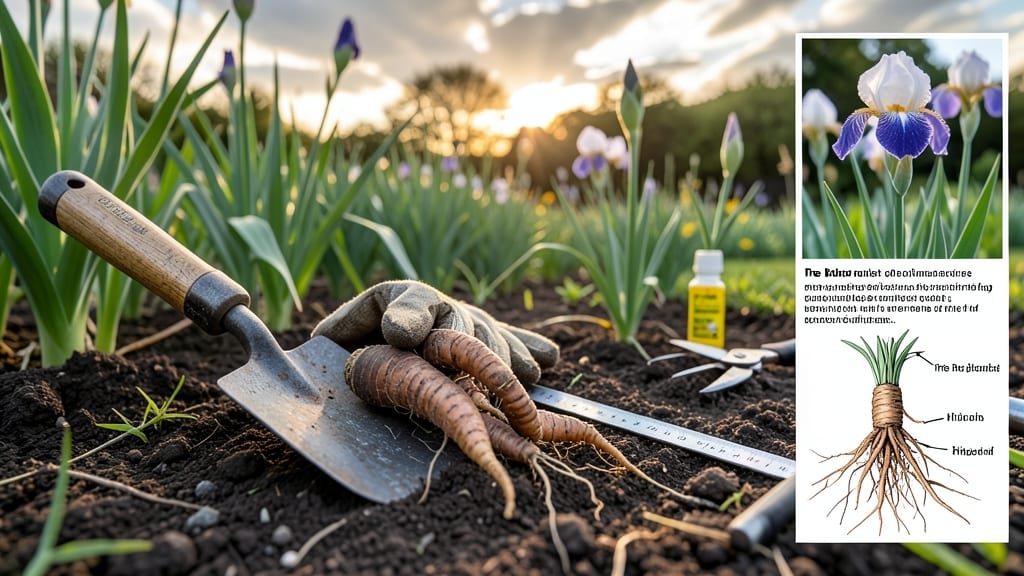
Why didn’t my irises bloom this year?—and it’s not their fault. 🌱 After years of watching them put on a show, last season’s no-show blooms left me digging through my garden journal to find where things went wrong. The good news? Most non-blooming iris problems have simple fixes, and we’ll walk through the five most common culprits that robbed you of those signature purple (or blue, or yellow) spikes.
Here’s the thing—irises need three things to bloom reliably: sunlight, proper nutrition, and patience. Too little sun means they’ll focus on leaves instead of flowers, while over-fertilizing with nitrogen can make them grow like weeds without blooming.
Even transplant shock or old rhizomes (those thick, fleshy roots) can trick irises into skipping their floral performance. The fixes? Adjusting sunlight exposure, feeding them the right way, and knowing when to dig up and divide those crowded rhizomes.
By next spring, you’ll see those classic sword-shaped leaves transform into tall, dramatic blooms again. The key is acting now—pruning spent foliage, testing your soil, and giving them the care they crave.
Think of this as a reset button for your iris patch, and trust me, those blooms are worth the effort. Let’s troubleshoot step by step so you’re ready for a showstopping display in 2025.
Whether you’re dealing with a brand-new iris bed or a veteran patch that’s gone quiet, these solutions work for both backyard gardens and container plantings. The secret? Paying attention to what your irises aren’t telling you with their leaves. We’ve got you covered—no more guessing games, just blooms.
The Real Culprits Behind Missed Blooms
Irises are tough, resilient plants—but even they need the right conditions to burst into color. If your irises skipped their usual spring or summer show, the problem likely stems from one (or more) of these common factors.
Understanding the science behind each will help you troubleshoot and adjust your care for a better bloom next year.
Irises thrive in full sun, meaning 6 to 8 hours of direct sunlight daily. Without enough light, they focus energy on leaf growth instead of blooms.
Why it happens:
- Photosynthesis slowdown: Irises rely on sunlight to produce energy via chlorophyll. In shade, their metabolic processes weaken, delaying or preventing flower bud formation.
- Weakened rhizomes: Shady conditions lead to leggy, pale leaves, which can’t store enough carbohydrates for blooming.
- Competition from other plants: Overcrowded beds or fast-growing neighbors (like trees or tall grasses) steal sunlight.
Actionable fix:
- Relocate your irises to a sunnier spot—even partial shade (like morning sun + afternoon shade) can reduce blooms.
- Thin out surrounding plants to improve airflow and light penetration.
- Consider reflective surfaces (like light-colored mulch or mirrors) to bounce extra light onto rhizomes.
Irises are cold-hardy but hate erratic weather. Sudden freezes, late frosts, or heatwaves can disrupt their blooming cycle.
Why it happens:
- Frost damage to buds: If flower buds form early (like in fall) and a late frost hits, they’ll blacken and drop off.
- Heat stress: Temperatures above 90°F (32°C) can cause buds to abort before opening, especially in humid climates.
- Dormancy confusion: Irises need a cool winter to reset their growth cycle. Unseasonably warm winters can trick them into blooming too early—or not at all.
Actionable fix:
- Protect late bloomers with frost cloth if your area has unpredictable spring frosts.
- Water deeply in heatwaves to help rhizomes regulate temperature (but avoid soggy soil).
- Plant in microclimates where temperatures are more stable (e.g., near a south-facing wall).
Irises are drought-tolerant but hate soggy feet. Improper watering throws off their nutrient uptake and energy reserves.
Why it happens:
- Overwatering: Saturated soil rots rhizomes, cutting off their ability to produce flowers. Irises need well-draining soil—they’re native to meadows, not swamps!
- Underwatering: Dry spells stress rhizomes, causing them to conserve energy for survival instead of blooms.
- Improper timing: Watering too late in the season (like in fall) can encourage weak growth that won’t bloom.
Actionable fix:
- Test your soil’s drainage—dig a hole, fill it with water, and time how long it takes to drain. If it’s slower than 4 hours, amend with sand or gravel.
- Water deeply but infrequently: Aim for 1 inch of water per week (more in extreme heat), focusing on the base of the plant (not the leaves).
- Avoid wet winters: Ensure your garden has proper slope or French drains to prevent waterlogging.
Irises need specific soil conditions to thrive. If the soil is too rich, too poor, or the wrong pH, they’ll prioritize leaves over flowers.
Why it happens:
- Excess nitrogen: Fertilizers high in nitrogen (like lawn food) promote leafy growth at the expense of blooms. Irises need balanced or low-nitrogen feed.
- pH problems: Irises prefer slightly acidic to neutral soil (pH 6.0–7.0). Too alkaline (pH >7.5) locks out essential nutrients like phosphorus and iron, starving flower buds.
- Compacted or depleted soil: Over time, soil loses organic matter, reducing its ability to support rhizomes.
Actionable fix:
- Test your soil with a DIY kit or send a sample to a local extension office.
- Use iris-specific fertilizer (like 5-10-10 or 3-4-6) in early spring—avoid high-nitrogen blends.
- Amend heavy clay soil with compost or coarse sand to improve aeration.
- Add sulfur or peat moss if your soil is too alkaline.
Irises divide every 3–5 years, and neglected clumps can become too dense, leading to fewer (or no) blooms.
Why it happens:
- Energy diversion: Old rhizomes compete for nutrients, forcing younger shoots to produce leaves instead of flowers.
- Reduced airflow: Crowded plants attract fungal diseases (like iris borers), which weaken the plant.
- Rhizome age: After 5–7 years, the central rhizome depletes its energy reserves and may stop blooming entirely.
Actionable fix:
- Divide and replant in early fall or spring:
- Dig up the clump and separate rhizomes with a sharp knife.
- Discard the oldest, woody center (it won’t regrow).
- Replant fan-shaped rhizomes (with roots intact) 1–2 inches deep in well-draining soil.
- Space new rhizomes 12–24 inches apart to prevent future crowding.
Pro Tip: 💡 Keep a blooming journal! Note sunlight, watering, and soil conditions each year to spot patterns—your irises might just need a tiny tweak to shine again.
Revive Your Irises: Quick Fixes
If your irises are looking a little worse for wear this year, don’t panic—there’s still time to turn things around! Below are practical, step-by-step solutions tailored to the most common causes of poor blooming, plus prevention tips to keep your irises thriving next season.
Problem: Irises need 6+ hours of direct sunlight daily—too little means weak growth and no blooms.
How to Fix It: ✅ 🔥 Move Them to a Sunnier Spot – Gradually shift them to a sunnier location (morning sun is ideal). Avoid harsh afternoon sun in hot climates. ✅ 🌿 Thin Out Nearby Plants – Trim back overgrown shrubs, trees, or tall perennials blocking sunlight. ✅ 🕒 Extend Light with Reflectors – Use white garden reflectors or mirror panels to bounce extra light onto their foliage.
💡 Prevention Tip:
- Plant irises in south- or east-facing beds where they’ll get consistent sun.
- Avoid planting under dense canopies (like large trees) where light is filtered.
Problem: Irises hate soggy roots—too much water leads to rot, stunting blooms.
How to Fix It: ✅ 👨🍳 Improve Soil Drainage – Mix in sand, perlite, or gravel to heavy clay soil. ✅ 🌧️ Water Deeply but Less Often – Soak the soil once a week (or when the top 2" is dry) instead of daily light watering. ✅ ⏰ Adjust Watering in Rainy Seasons – If your area gets frequent rain, skip watering to prevent root suffocation.
💡 Prevention Tip:
- Plant irises in raised beds or on slopes where water drains naturally.
- Test soil drainage: Dig a hole, fill it with water, and time how long it takes to drain. If it stays wet past 6 hours, amend the soil.
Problem: Irises divide every 3-5 years—crowded rhizomes compete for nutrients, leading to fewer (or no) blooms.
How to Fix It: ✅ 🔪 Divide and Replant – Dig up clumps in early spring or fall, separate the rhizomes (keep the fan-shaped roots intact), and replant 1-2 inches deep, with the top third exposed to sunlight. ✅ 🌱 Thin Out Weak Growth – Remove small, spindly fans (they won’t bloom well) and focus on healthy, sturdy rhizomes. ✅ 📅 Do It Now (If Possible!) – If you missed spring, fall division still works—just avoid extreme heat or frost.
💡 Prevention Tip:
- Mark planting spots so you don’t forget when to divide them.
- Fertilize lightly after replanting with a low-nitrogen, high-phosphorus formula (like 5-10-10) to encourage blooms.
Problem: Iris borers, aphids, or root rot can weaken plants, preventing blooms.
How to Fix It: ✅ 🐜 Check for Borers – Look for sawdust-like frass (borer poop) at the base. Handpick larvae or spray with neem oil in early summer. ✅ 🌡️ Treat Fungal Issues – If leaves have yellow spots or mold, apply copper fungicide or baking soda spray (1 tsp baking soda + 1 quart water + a drop of soap). ✅ 🛡️ Prevent Future Infestations – Mulch lightly (1-2 inches) with pine needles or straw to deter pests without smothering roots.
💡 Prevention Tip:
- Rotate planting spots every few years to break pest/fungal cycles.
- Plant resistant varieties like ‘Professor Blume’ or ‘Cadence’ if borers are a recurring issue.
Problem: Too much nitrogen = leafy growth, no flowers. Too little phosphorus = weak blooms.
How to Fix It: ✅ 📊 Use the Right Fertilizer – Switch to a low-nitrogen, high-phosphorus fertilizer (like 10-20-10) in early spring. ✅ 🥗 Feed at the Right Time – First feeding: When leaves emerge (spring). Second feeding: After blooming (summer). ✅ 🍎 Boost with Organic Amendments – Mix in bone meal (for phosphorus) or compost for slow-release nutrients.
💡 Prevention Tip:
- Avoid high-nitrogen lawn fertilizers near iris beds—they’ll make your plants leafy but flowerless.
- Test your soil every 2-3 years to check nutrient levels.
Even if this year’s flowers didn’t appear, next season’s buds are already forming!
Here’s how to maximize future blooms: - 🌿 Deadhead spent blooms (but leave seed pods if you want more plants). - 🍂 Cut back foliage in late fall (after it turns yellow) to redirect energy to rhizome storage. - 🌞 Give them a winter mulch (2-3 inches of straw) in cold climates to protect roots.
Final Thought: Most iris blooming issues are easily fixable with the right care. Try one or two solutions this season, and your irises should rebound beautifully next year! 🌸💪
Frequently asked questions
Why do my irises look healthy but still refuse to bloom?
Even with strong foliage, irises prioritize leaf growth when they lack proper sunlight, balanced nutrients, or experience transplant shock. Check for 6+ hours of direct sun daily—partial shade forces them to focus on leaves instead of blooms. Also verify your fertilizer ratio: high nitrogen (like lawn food) creates lush leaves but no flowers.
Can I force my irises to bloom this late in the season?
Unfortunately, no—iris blooming cycles are set by their growth patterns. However, you can still encourage next year's blooms by focusing on soil health and proper care now. Divide crowded rhizomes, improve drainage, and feed with phosphorus-rich fertilizer to jumpstart bud formation for spring 2025.
How do I know if my irises need dividing?
Look for overcrowded clumps with fewer than 3-5 fans per rhizome—this means they're competing for nutrients. Also check for small, weak leaves or no blooms after 3+ years. The best time to divide is early spring or fall when foliage is actively growing but not yet dormant.
Will my irises ever bloom again if they haven't in years?
Many irises simply need a reset. Start by dividing old rhizomes (removing the woody center), improving sunlight exposure, and using the right fertilizer (low nitrogen, high phosphorus). With proper care, they'll bounce back within 1-2 seasons—just be patient and consistent with their needs.
Can I grow irises in containers instead of garden beds?
Yes! Container-grown irises thrive in well-draining pots with 1/3 of the rhizome exposed to sunlight. Use a mix of potting soil, sand, and perlite to prevent rot. Choose compact varieties like 'Little Chief' and fertilize lightly with bone meal in spring for best results.