
Blooming
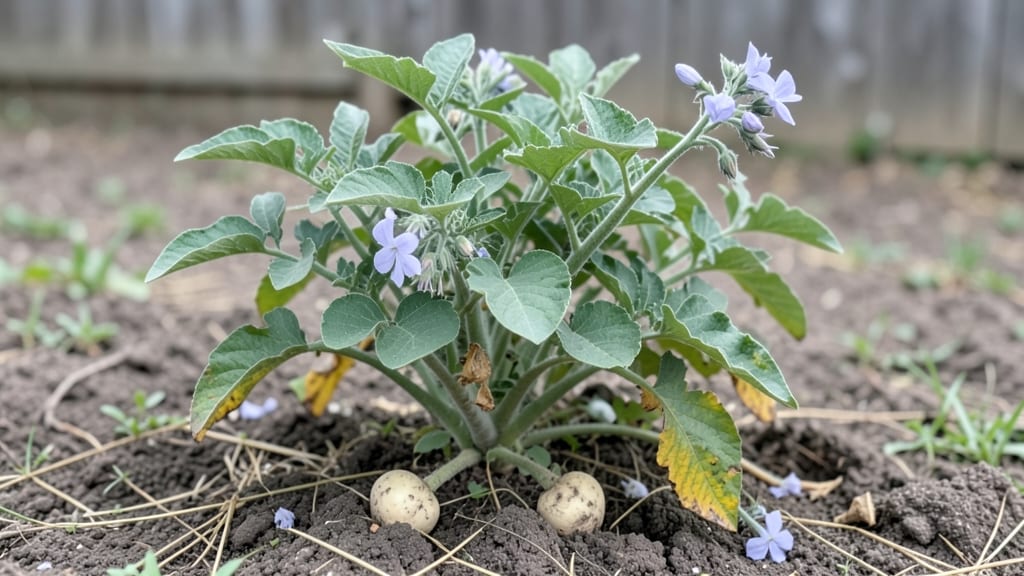
Potatoes bloom when they produce flowers as part of their natural growth cycle, signaling tuber development below ground. The flowers indicate maturity, with some varieties yielding sweeter, firmer tubers when allowed to bloom fully before harvest. However, excessive flowering can divert energy away from tuber growth, potentially reducing yield or size.
When potato plants start flowering, it’s their way of shifting energy from leaf growth to developing those prized tubers below ground. 🌸 The blooms themselves don’t directly affect flavor, but they’re a clear sign the plant is focusing on tuber maturation—especially in varieties like Yukon Golds or fingerlings, where waiting for full bloom can mean sweeter, denser potatoes.
However, too many flowers can actually backfire, as the plant may prioritize seed production over storing energy in the tubers you actually want to eat.
For gardeners, this means balancing patience with practicality—some varieties thrive when allowed to bloom fully, while others (like russets) may produce larger yields if you pinch off early flowers.
The key is understanding your specific potato type and adjusting care accordingly, whether that’s controlling nitrogen levels or timing your harvest just right.
💡 In This Article
- The Science Behind Potato Flowering and Tuber Formation
- How to Manage Potato Blooms for Optimal Flavor and Storage
The science behind potato flowering and tuber formation
Here's what's actually happening when potato plants bloom: it's all about energy allocation. The plant's growth hormones—particularly gibberellins and auxins—shift from promoting leaf and stem growth to triggering flower development and tuber formation.
Once the plant reaches about 6-8 weeks of growth (depending on variety), these hormones signal the stolons (underground stems) to swell into tubers while simultaneously encouraging flowering above ground. Think of it like a biological balancing act where the plant decides whether to invest in reproduction (flowers/seeds) or storage (tubers).
The key factor is daylight length. Potatoes are long-day plants, meaning they need 14-16 hours of light daily to trigger flowering. This explains why northern climates often produce more blooms—longer summer days naturally stimulate the process.
Temperature also plays a role: optimal flowering occurs between 60-75°F, while extreme heat or cold can disrupt the balance. For example, Yukon Golds typically bloom earlier (around 70 days) than russet potatoes (which may take 90+ days), reflecting their different growth cycles and energy priorities.
What most people don't realize is how nutrients factor in. Excessive nitrogen fertilizer (common in lawn fertilizers) encourages lush foliage but delays flowering and tuber development. The ideal ratio is low nitrogen, balanced phosphorus, and potassium—this supports both flower formation and tuber growth simultaneously.
For instance, fingerling varieties often produce sweeter tubers when allowed to bloom fully because their natural growth cycle prioritizes flavor development over yield size.
Early-blooming varieties like Red Pontiac or Adirondack Blue tend to have smaller tubers but develop more complex flavors, while late-bloomers such as Kennebec or Russet Burbank allocate more energy to tuber size at the expense of flowering.
This trade-off is why gardeners must choose varieties based on their goals: flavor vs. quantity. The plant's hormonal signals create this dichotomy—gibberellins promote flowering, while abscisic acid (another hormone) helps regulate tuber dormancy and storage quality.
Environmental stress can also trigger premature flowering. For example, drought conditions or soil compaction force the plant to accelerate its reproductive cycle, often resulting in smaller tubers. Conversely, consistent moisture and well-drained soil allow for a more balanced energy distribution.
The timing of blooms also affects harvest windows: early bloomers (like new potatoes) can be harvested 2-3 weeks after flowering, while late bloomers may need 4-6 weeks post-bloom for full maturity.
One fascinating detail is how flower color correlates with tuber characteristics. Purple-flowering varieties (e.g., Violet La Ratte) often produce tubers with higher anthocyanin levels, giving them a deeper color and slightly nutty flavor.
Meanwhile, white or pink flowers (common in russets) typically indicate starchy, lower-moisture tubers. This visual cue helps gardeners predict both flavor profiles and storage potential before harvest.