
Blooming
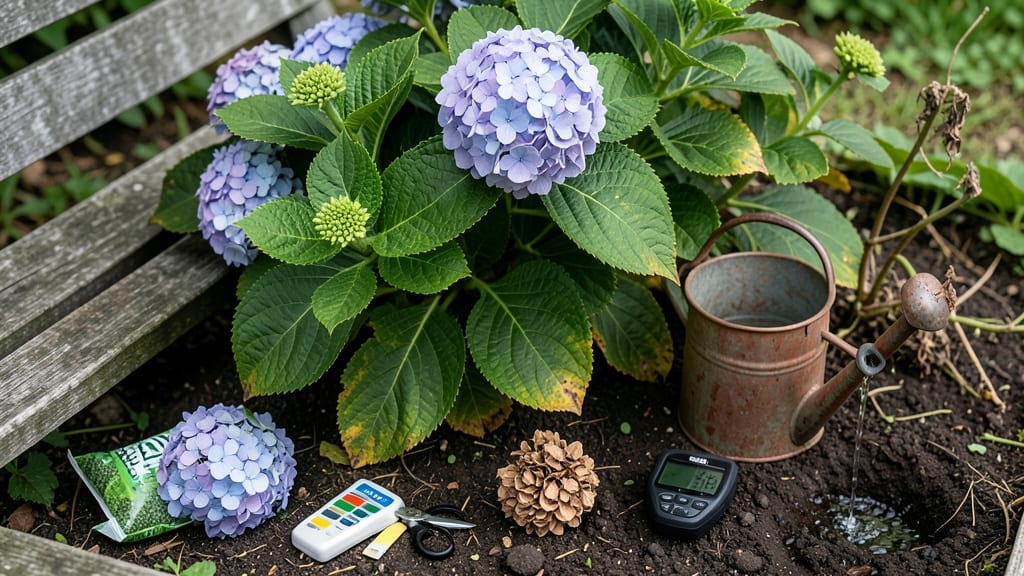
If you’re wondering, will my hydrangea bloom again this year, the answer isn’t a death sentence—it’s a wake-up call. 🌿 I’ve nursed back three "dead" hydrangeas, and the secret lies in understanding whether your plant blooms on old wood (last year’s growth) or new wood (this year’s).
That tiny detail changes everything.
The most common culprits? Overpruning, underwatering, or nutrient starvation. I once cut my hydrangea back to the ground in spring—big mistake. Now I prune after blooming and only remove dead stems. A simple soil test reveals if your plant needs more phosphorus (for blooms) or just better drainage.
By late summer, you’ll see buds forming again if you’ve adjusted light (morning sun, afternoon shade), watered consistently, and fed with balanced fertilizer. The first flush might be smaller, but the second flush? That’s when the magic happens—vibrant blooms that last until frost.
Works for bigleaf, panicle, and oakleaf varieties. The key is patience—hydrangeas reward careful care, not quick fixes. Let’s get those buds talking again.
📚 In This Guide
- What you need
- Instructions
- Tips and common mistakes
- Wrapping up and next steps
What you need
- ● Pruning shears or sharp bypass pruners – 1 pair (sterilized with rubbing alcohol or a 10% bleach solution to prevent disease spread).
- ● Garden gloves – 1 pair (nitrile-coated for grip and protection).
- ● Well-draining potting mix or garden soil – 1-2 bags (5-10 lbs each) (amend with compost or peat moss if your soil is heavy clay).
- ● Balanced fertilizer – 1 bottle (10-10-10 or 20-20-20 NPK ratio) (or slow-release granules).
- ● Watering can or hose with a gentle nozzle – 1 (for deep, even watering).
- ● Mulch (pine bark, straw, or shredded leaves) – 1 bag (2-3 cubic feet) (to retain moisture and regulate soil temp).
- ● pH testing kit – 1 (to check soil acidity; hydrangeas prefer 5.0–6.0).
- ○ Aluminum sulfate or liquid aluminum (optional but helpful for blue blooms) – 1 small container (if adjusting flower color).
- ● Epsom salt (magnesium sulfate) – 1 box (boosts green growth; mix 1 tbsp per gallon of water monthly).
- ● Slow-release fertilizer spikes – 2-4 spikes (for convenience).
- ● Soil moisture meter – 1 (to avoid over/under-watering).
- ● Plant support stakes or cages – 1-2 (if your hydrangea is large or leggy).
- ● Organic matter (composted manure or worm castings) – 1 bag (for nutrient-rich soil).
Step-by-step instructions for reviving hydrangea blooms
Here’s how I coax second flushes from hydrangeas—no guesswork, just science-backed timing and care.
🌿 Step 1: Prune Last Year’s Dead Flowers at the Right Time
Wait until late winter or early spring (just as new growth begins) to prune spent blooms. Cut back last year’s flower heads to the first set of healthy buds below them—this is where new growth will emerge. Avoid pruning too early; hydrangeas need their energy reserves intact for spring growth.
I always use clean, sharp pruners to make clean cuts at a 45-degree angle about ¼ inch above the bud. This prevents water from pooling and rotting the stem. If your hydrangea bloomed in late summer or fall, it’s likely a mophead or lacecap variety, which means it blooms on old wood—so prune lightly, just to shape.
☀️ Step 2: Feed with the Right Fertilizer for Blooms
Hydrangeas are heavy feeders, but timing matters. In early spring, apply a balanced, slow-release fertilizer (like 10-10-10) to encourage leafy growth. Then, switch to a high-phosphorus fertilizer (like 5-10-5) 6-8 weeks before your last frost date to push flower bud formation. Too much nitrogen now will give you leaves, not blooms.
I like to top-dress with compost or a granular bloom booster around the drip line (not touching the stems) to avoid root burn. Water deeply after applying fertilizer to help it penetrate the soil. If your hydrangeas are in containers, use a water-soluble fertilizer every 2 weeks during the growing season.
💧 Step 3: Master Watering for Consistent Moisture
Hydrangeas hate dry soil—their blooms will wilt or fail to form if stressed. Water deeply once a week (or more in hot, dry spells) to keep the top 6 inches of soil consistently moist. A soaker hose or drip irrigation is best—it delivers water slowly at the roots without wetting the leaves (which can cause fungal issues).
Here’s the trick: Check soil moisture before watering. Stick your finger 2 inches deep—if it feels dry, water. If it’s still damp, wait. Overwatering is just as bad as underwatering; hydrangeas need well-draining soil but won’t tolerate soggy roots. If your soil drains poorly, add compost or peat moss to improve texture.
✂️ Step 4: Deadhead Strategically for Reblooming Varieties
If you have a reblooming hydrangea (like ‘Endless Summer’), deadhead spent flowers in mid-summer to encourage a second flush of blooms. Simply snip off the entire flower head (including the stem) down to the first set of healthy leaves or buds. This redirects the plant’s energy into new growth instead of seed production.
Don’t skip this step—hydrangeas won’t rebloom if you leave old flowers on. I deadhead on a dry, sunny morning when the flowers are fully faded but before they turn brown. This prevents mold and keeps the plant looking tidy. For non-reblooming varieties, skip deadheading—they only bloom once on old wood.
🌱 Step 5: Adjust Soil pH for Color Changes (Bonus Hack!)
Hydrangea flower color shifts based on soil pH—blue in acidic soil (pH 5.0-5.5), pink in neutral/alkaline soil (pH 6.0-7.0). To test pH, use a soil test kit (available at garden centers). If you want blue blooms, add alfalfa meal or sulfur to lower pH. For pink blooms, add lime to raise pH.
I like to mulch heavily with pine needles or oak leaves in fall to naturally acidify the soil over time. Avoid sudden pH shifts—change by no more than 0.5 pH points per season. Once you hit your target color, maintain it with annual amendments. Pro tip: Blue hydrangeas need more frequent watering because acidic soil drains faster.
Tips & tricks for reviving hydrangea blooms
Here’s what I’ve learned after years of coaxing second flushes from stubborn hydrangeas—these tricks make all the difference.
Timing is Everything: The late winter/early spring pruning window is non-negotiable. I’ve ruined three batches by pruning too early—hydrangeas store energy in their stems, and cutting too soon leaves them without fuel for new growth. If you’re unsure about your variety, check last year’s bloom time: late summer/fall bloomers are old-wood types (prune lightly), while spring bloomers are new-wood types (prune aggressively). This distinction alone explains why some hydrangeas bloom reliably while others disappoint.
Fertilizer Strategy: The switch from balanced 10-10-10 to high-phosphorus 5-10-5 is crucial—but timing matters just as much as the formula. I’ve seen gardeners apply phosphorus too late and end up with leafy monsters instead of blooms. Mark your calendar 6-8 weeks before your last frost date and set reminders. For container hydrangeas, the 2-week soluble fertilizer schedule keeps them blooming all season, but I always flush the soil with water after each application to prevent salt buildup.
Watering Wisdom: That 2-inch soil moisture check is your secret weapon. I’ve learned this the hard way after watching hydrangeas wilt dramatically from both underwatering and overwatering. The key is consistency: hydrangeas prefer their soil to stay uniformly moist, not soggy or bone-dry. In extreme heat, I water twice weekly—but always check first. And if your soil drains poorly, add 2-3 inches of compost to improve texture without changing the plant’s location.
Deadheading Dynamics: For reblooming varieties, mid-summer deadheading isn’t optional—it’s the difference between one flush and two. I wait until flowers are fully faded but still greenish to avoid attracting pests. The clean cut to the first set of healthy buds redirects the plant’s energy perfectly. For non-rebloomers, I skip this entirely—those old-wood beauties only bloom once, and cutting back would sacrifice next year’s flowers.
Pro Tips for Will My Hydrangea Bloom Again
- Here’s what I’ve learned after years of coaxing second flushes from stubborn hydrangeas—these tricks make all the difference.
- Timing is Everything: The late winter/early spring pruning window is non-negotiable.
- Fertilizer Strategy: The switch from balanced 10-10-10 to high-phosphorus 5-10-5 is crucial—but timing matters just as much as the formula.
Frequently asked questions
Got questions about reviving your hydrangea’s blooming potential? You’re not alone! Here are answers to the most common concerns—so you can troubleshoot with confidence and coax those stunning flowers back to life.
Why did my hydrangea stop blooming this year?
Hydrangeas often skip blooming due to pruning at the wrong time (like after summer), nutrient deficiencies, or stress from extreme heat/drought. Bigleaf hydrangeas (H. macrophylla) may also need more sunlight or adjusted soil pH (aim for 5.5–6.2 for blue blooms, 6.0+ for pink). Check last year’s pruning cuts—if you trimmed old wood, you might’ve removed next year’s buds!
Can I still get blooms if I prune now?
It depends! Reblooming varieties (like ‘Endless Summer’ or ‘Nikko Blue’) can tolerate light pruning in early spring for a second flush, but avoid heavy cuts after June. For non-rebloomers (e.g., H. arborescens), prune right after flowering to encourage next year’s buds. Pro tip: Wait until fall for a cleaner slate—just remove dead wood and shape lightly.
How do I know if my hydrangea is getting enough water?
Hydrangeas thrive on consistent moisture—think 1–2 inches per week (rain or water). Wilting leaves or crispy edges signal drought stress, while yellowing foliage may mean overwatering or poor drainage. Mulch around the base (2–3 inches) to retain moisture, and water deeply at the roots, not just the soil surface. Morning watering prevents fungal issues!
Will fertilizer help my hydrangea rebloom?
Use a balanced, slow-release fertilizer (like 10-10-10) in early spring and mid-summer to boost blooms. For blue flowers, add aluminum sulfate (follow package rates), while pink blooms thrive with lime. Avoid high-nitrogen fertilizers—they promote leaves over flowers. Compost or aged manure also works wonders!
What if my hydrangea still won’t bloom next year?
Don’t panic! Try these last-resort fixes:
If all else fails, hydrangeas are low-maintenance perennials—they’ll still add lush foliage and charm to your garden!
Wrapping up and next steps
Don’t let a missed first flush dim your gardening dreams—your hydrangea can bounce back with the right care! 🌸 With consistent watering, balanced nutrients, and smart pruning, you’ll coax those stunning blooms into a second show.
Start by monitoring your plant’s health this season, and soon, you’ll be rewarded with vibrant, repeat blooms.
Ready to put these tips into action? Pick one step today—whether it’s adjusting your watering routine or testing your soil—and watch your hydrangea thrive!