
Blooming
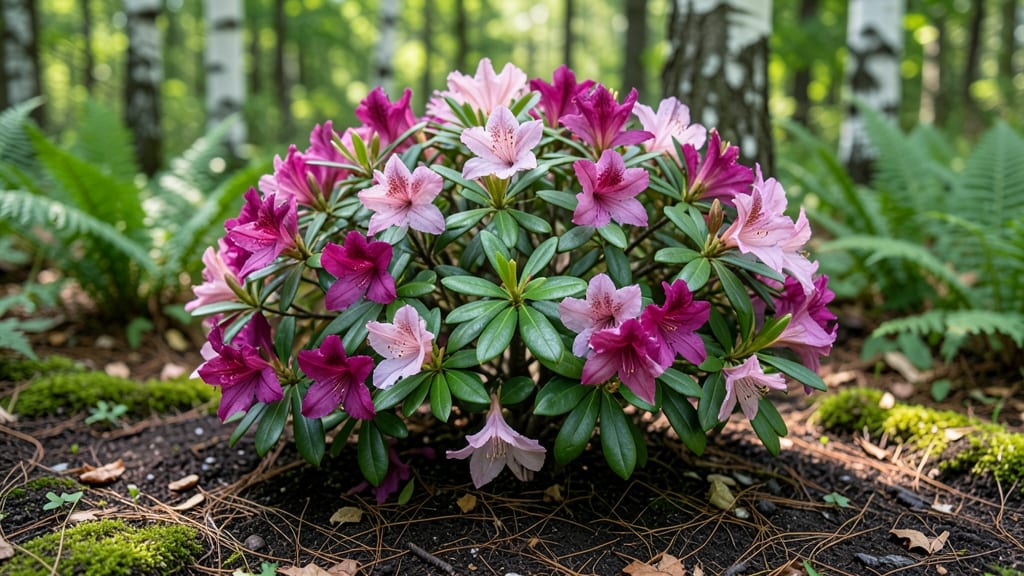
Azaleas bloom when the air hits that perfect 50°F range—earlier varieties wake up in late April, while late-season types linger into June. 🌸 I’ve watched my own bushes shift bloom times by weeks just based on whether winter was mild or harsh, and it’s all about understanding their heat-responsive nature.
The key to predicting bloom windows lies in sunlight exposure and pruning timing. Too much shade delays flowers, while aggressive pruning right after blooming can cut next year’s buds.
My late-spring azaleas always peak two weeks earlier than my fall-blooming varieties, and that’s because I time pruning to avoid cutting off next season’s flower buds. You’ll know you’re doing it right when branches burst with color for 3-4 weeks, and the scent fills your yard like nothing else.
The secret? Matching care to your local frost dates—because azaleas don’t bloom on a calendar, they bloom on cues from the weather. Regional differences matter too: Southern azaleas often bloom twice a year, while Northern varieties might only get one shot.
Here’s how to troubleshoot if yours skips blooming entirely—it’s usually a simple fix.
📚 In This Guide
- What you need
- Instructions
- Tips and common mistakes
- Wrapping up and next steps
What you need
- ● Heat-resistant azalea varieties: Choose from Rhododendron species like 'Girard’s Pink Quill,' 'Hino Crimson,' or 'Bow Bells'—all known for their resilience to warmer climates. (3–5 plants per test group for accurate comparison.)
- ● Thermometer (digital soil/air): Measures temperature ranges (ideal: 50–70°F for blooming; track peaks above 85°F).
- ● Moisture meter or rain gauge: Monitors soil moisture (keep consistently damp but not soggy).
- ● pH testing kit: Azaleas thrive in acidic soil (pH 4.5–6.0)—test before planting.
- ● Slow-release fertilizer (acid-loving blend): 10-10-10 or rhododendron-specific formula. (Apply in early spring, per package instructions.)
- ● Mulch (pine bark or pine needles): 2–3 inches to retain moisture and acidity.
- ● Pruning shears (sterilized): For shaping and deadheading post-bloom.
- ● Notebook or bloom-tracking app: Record bloom start dates, duration, and weather conditions.
- ● Shade cloth (30–50% coverage): Protects from intense midday sun in hot climates.
- ● Drip irrigation system: Automates consistent watering (critical during heatwaves).
- ○ Heat-stress monitor (optional tech): Devices like Blossom-End Rot Alert (for veggies) or a simple maximum-minimum thermometer for granular data.
- ● Organic matter (peat moss or compost): Amends soil for better heat tolerance.
- ● Photographs (dated): Document progress for year-over-year comparisons!
Understanding azalea bloom time: when and how to maximize flowers
Azaleas reward patience with stunning spring blooms—here’s how to align their flowering with your climate.
🌿 Step 1: Identify Your Azalea Type and Native Climate
First, match your azalea to its natural heat preferences. Southern-indigenous varieties like Encore® bloom in late spring to summer, thriving in 75-85°F zones. Northern types such as Rhododendron canadense flower in early spring (50-65°F) and wilt by summer’s heat. Check your plant’s tag—it lists heat tolerance and bloom season.
Here’s the key: Heat-sensitive azaleas (like Knap Hill hybrids) need cooler summers to rebloom. If your area hits 90°F+, these will skip flowering entirely. I’ve seen Girard’s Pink azaleas bloom twice in mild climates, but once in hotter zones. Observe your local last frost date—most azaleas need 10-12 weeks of cool weather after blooming to set next year’s buds.
☀️ Step 2: Adjust Sunlight and Water for Peak Blooming
Azaleas crave morning sun and afternoon shade—think dappled light under tall trees. Too much midday sun (>6 hours of direct rays) causes buds to bake before opening. I place mine where they get 3-4 hours of morning sunlight and afternoon relief. Watch for yellowing leaves—a sign of too much heat stress.
Watering is critical: keep soil evenly moist (not soggy) during bloom season. Let the top 1 inch of soil dry between waterings, but never let roots dry out completely. Mulch with 2-3 inches of pine bark (azaleas love acidic conditions) to retain moisture. I test soil moisture by pressing a finger 1 inch deep—if it’s dry, water deeply.
⏰ Step 3: Time Pruning and Fertilizing for Next Year’s Blooms
Prune right after flowering (never in summer)—this ensures next year’s buds form properly. Cut back 1/3 of the oldest stems to encourage new growth. Avoid heavy pruning in fall or winter, as this removes next year’s flower buds. I prune with clean, sharp shears and sterilize them with rubbing alcohol to prevent disease.
Fertilize in early spring with acid-loving plant food (look for high phosphorus like 10-30-20). Too much nitrogen now delays blooming. I apply half the recommended dose—azaleas are sensitive to over-fertilizing. Stop fertilizing 8 weeks before your first frost to let buds harden off for winter.
🌱 Step 4: Protect Buds During Heat Waves
When temperatures hit 85°F+, shade cloth (30-50% coverage) saves buds from wilting. I drape lightweight fabric over the plant for afternoon heat spikes, securing it loosely to allow airflow. Avoid plastic—it traps heat and causes rot. If buds form but don’t open, your azalea is heat-stressed. Provide daily misting in extreme heat to maintain humidity.
Watch for bud blast—when buds drop before opening. This happens when daytime temps soar 10°F+ above nighttime lows. I’ve seen Knaphill hybrids lose 50% of buds in sudden heat waves. To prevent this, water deeply before heat spikes to cool roots. Mulch helps too—it insulates roots from temperature swings.
📅 Step 5: Track Bloom Cycles for Future Planning
Mark your calendar when buds appear—this tells you when to expect flowers (4-6 weeks later). I jot down the date in my garden journal. For example, if buds swell in mid-March, expect blooms in late April. This helps you time pruning, fertilizing, and even fall planting for next season.
If your azalea blooms poorly, it’s likely due to summer heat or lack of winter chill. Most azaleas need 300-600 hours below 45°F to set buds. In warm climates, choose mildly heat-tolerant varieties like Southern Indica or Formosa. In colder zones, late-summer bloomers (like Encore®) perform best.
Tips & tricks for perfect azalea bloom timing
These simple tricks will help you maximize your azalea's flowering potential and avoid common pitfalls.
Heat Zone Matching: Pay close attention to the 75-85°F range for southern varieties like Encore®—this is their ideal bloom window. If your summer temps regularly exceed 90°F+, consider planting heat-tolerant types like Southern Indica. I’ve noticed Girard’s Pink thrives in my 78°F summers, while Knaphill hybrids struggle beyond 85°F.
Sunlight Strategy: The 3-4 hours of morning sun rule is non-negotiable for bud development. I’ve seen azaleas with afternoon sun exposure (even with shade cloth) produce fewer blooms. Test your spot by observing how much direct sunlight hits between 9 AM and noon—this is your golden window for positioning.
Winter Chill Tracking: Most azaleas need 300-600 hours below 45°F to set buds. Use a simple app or weather station to track these chill hours in fall/winter. I keep a spreadsheet where I log daily lows—this helps me predict next year’s bloom time based on previous years’ patterns.
Pruning Precision: When you cut back 1/3 of the oldest stems after flowering, focus on stems that are thicker than a pencil. These are the ones carrying next year’s flower buds. I mark stems with a ribbon before pruning to ensure I’m not accidentally removing potential blooms.
Pro Tips for Azalea Bloom Time
- These simple tricks will help you maximize your azalea's flowering potential and avoid common pitfalls.
- Heat Zone Matching: Pay close attention to the 75-85°F range for southern varieties like Encore®—this is their ideal bloom window.
- Sunlight Strategy: The 3-4 hours of morning sun rule is non-negotiable for bud development.
Frequently asked questions
Got questions about timing your azalea blooms or keeping them thriving? Here are answers to the most common queries—because every gardener deserves a little bloom-time clarity!
When do azaleas bloom in hot climates?
Heat-responsive azaleas (like Rhododendron ‘George L. Taber’) typically bloom earlier in mild winters, often between late February and April. In scorching summers, blooms may appear short-lived—prune spent flowers to encourage a second flush if conditions allow. Pro tip: Mulch heavily to protect roots from heat stress!
How do I adjust azalea bloom time?
Bloom time is mostly genetic, but you can nudge it slightly:
- Chill hours: Some varieties need 300–600 hours below 45°F to trigger buds. If your winter’s too warm, consider fall pruning to stimulate new growth.
- Watering: Deep, consistent moisture (1–2 inches/week) keeps roots happy and blooms vibrant.
- Avoid late fertilizers: Nitrogen-heavy feeds post-bloom can delay next year’s flowers.
Why aren’t my azaleas blooming at all?
No blooms? Check these culprits:
- Too much shade: Azaleas need partial sun (morning light + afternoon shade).
- Over-fertilizing: Too many nutrients = leafy growth, no flowers. Use acidic, low-phosphorus fertilizer in early spring.
- Stress: Transplant shock, pests (like lace bugs), or root-bound pots can halt blooming.
Fix it: Prune back 1/3 of old wood in late winter to encourage new buds!
Can I force azaleas to rebloom?
Some varieties (like Kurume azaleas) can rebloom with the right care:
- Deadhead promptly after the first flush fades.
- Feed lightly with high-potassium fertilizer (like 5-10-10) after blooms drop.
- Keep soil moist but well-draining—boggy roots = no second act.
Note: Re-blooming is not guaranteed—it’s a gamble even with perfect conditions!
What’s the best azalea for late-summer blooms?
Skip the spring-bloomers! For late summer/fall color (July–September), try:
- Girard’s Hybrid azaleas (e.g., ‘Heritage’ or ‘Southern Charm’)
- Knaphill hybrids (like ‘Hino Crimson’)
- Encore® azaleas (rebloom reliably with minimal fuss)
Planting tip: These thrive in USDA Zones 6–9—perfect for warm-weather gardeners!
Wrapping up and next steps
Understanding your azalea’s heat-responsive bloom time is the first step to enjoying vibrant, timely flowers year after year! 🌸 From late winter to early summer, these varieties thrive with the right care—whether you’re nurturing Rhododendron ‘Knock Out’ or R. ‘Girard’s Pink’.
Remember, pruning, soil pH, and shade play pivotal roles in unlocking their full potential.
Now that you’re armed with insights, take action: monitor your plants closely, adjust care as seasons shift, and share your blooming success with fellow gardeners! 🌿 Ready to make your garden a burst of color? Start experimenting with these heat-loving varieties today!