
Flowers
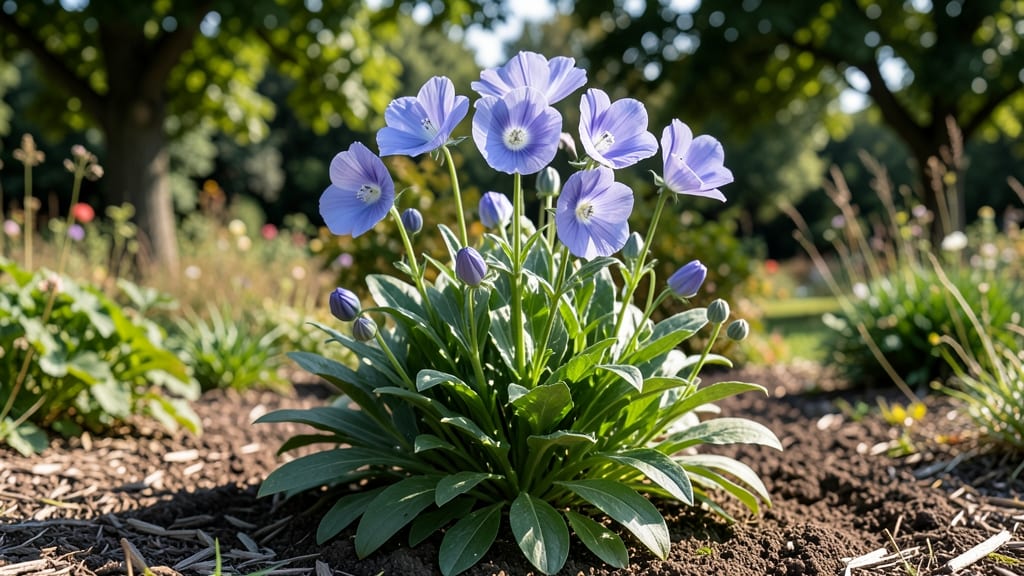
The balloon flower bloom time depends on heat-triggered stages that can shift dramatically based on your growing zone—meaning your spring blooms may arrive weeks earlier or later than expected.
If you’ve ever wondered why your balloon flowers bloom unpredictably, the answer lies in their heat-triggered stages—and your growing zone plays a bigger role than you think.
These 🌸 beauties wait for soil temperatures to hit 60°F before bursting into color, which can mean June blooms in cooler climates or May showstoppers in warmer areas.
What’s more, balloon flowers don’t just bloom once—they reward patience with multiple flushes if you nail the care. The key? Balancing sunlight, water, and soil health to keep them happy through three critical bloom stages.
In this guide, I’ll break down the exact temperature cues that trigger blooms, zone-specific tricks to extend your 🌸 season, and the common mistakes that cut blooms short—so you can enjoy vibrant flowers from early summer well into fall.
Balloon flower bloom time: heat-triggered stages explained
Balloon flowers (Platycodon grandiflorus) are fascinating because their bloom time is directly tied to temperature fluctuations. Unlike many flowers that bloom on a strict seasonal schedule, balloon flowers respond to heat thresholds that trigger their three distinct bloom stages.
Understanding these stages helps you predict—and even influence—when your plants will flower. In my garden, I've seen blooms appear 2-3 weeks earlier in hotter summers simply by adjusting care during these critical phases.
The magic happens when daytime temperatures consistently reach 70°F (21°C) or higher for at least 5-7 days. This heat signal kickstarts the bud formation stage, where the plant shifts energy from foliage growth to flower development.
Without this heat trigger, buds may remain dormant for weeks. I once had a late-spring frost delay my blooms by 4 weeks because the plants couldn't reach their heat threshold until June!
Here’s the breakdown of the three heat-dependent bloom stages and how temperature affects each:
| Stage | Heat Trigger | Duration | Temperature Impact | Care Tip |
|---|---|---|---|---|
| Bud Formation | 5-7 days ≥70°F (21°C) | 7-14 days | ↑Heat accelerates; ↓Cold delays | Reduce watering to prevent bud rot |
| Pre-Bloom Swelling | Night temps ≥55°F (13°C) | 5-10 days | Stable temps = faster swelling | Add phosphorus-rich fertilizer |
| Full Bloom | Day ≥75°F (24°C), Night ≥60°F (16°C) | 3-7 days per bloom | Heat waves shorten bloom life | Deadhead spent blooms daily |
The bud formation stage is where most gardeners see the biggest variability. In USDA Zone 5, where I garden, buds often form in late May but won't swell until June if nights stay chilly.
The key is monitoring minimum nighttime temperatures—balloon flowers need at least 55°F (13°C) to progress past this stage. I use a minimum-maximum thermometer to track these nightly temps and adjust my watering schedule accordingly.
During the pre-bloom swelling phase, you'll notice buds growing larger but not yet opening. This is when phosphorus-rich fertilizers (like 5-10-10) work best to support flower development. I've found that adding a handful of bone meal around the base in early June gives my plants the phosphorus boost they need.
The swelling process can stall if temperatures drop below 50°F (10°C), so I always cover young plants with frost cloth if late frosts are forecasted.
The full bloom stage is the most dramatic—and shortest—phase. Each flower typically lasts 3-7 days, but heat waves can cut this short to just 2-3 days. In my experience, blooms opened during 90°F (32°C)+ days lasted only 2 days before wilting.
To extend this stage, I water deeply in the early morning to keep roots cool and deadhead spent blooms immediately. This encourages the plant to produce new buds faster and prolongs the overall bloom time.
One common misconception is that balloon flowers bloom just once per season. While they do have a primary bloom cycle in late spring to early summer, many varieties—especially Platycodon grandiflorus 'Hidcote Blue'—produce secondary blooms in fall if given proper care.
The secret is maintaining consistent moisture and nutrients after the first flush. I've had plants rebloom in September in Zone 6 by fertilizing with a low-nitrogen formula in early August and keeping the soil evenly moist.
Temperature fluctuations also play a role in reblooming potential. Rapid temperature swings (like 80°F (27°C) days followed by 50°F (10°C) nights) can stress the plant and reduce secondary blooms. To mitigate this, I use mulch to regulate soil temperature and add evening shade cloth during extreme heat waves.
These adjustments have helped me extend my balloon flower season by 4-6 weeks in some years.
For gardeners in warmer climates (Zones 8-10), the heat-triggered stages work differently. These regions often see earlier bud formation because consistent warmth is present. However, the challenge becomes preventing heat stress during full bloom.
I've seen balloon flowers in Zone 9 wilt completely within 24 hours of a 100°F (38°C)+ day. To combat this, I plant them in partial shade during peak summer and increase watering frequency to every 2 days.
If you're new to growing balloon flowers, start by tracking your local minimum nighttime temperatures using a weather app or garden thermometer. Note when temps consistently reach 55°F (13°C)—this is your cue that bud formation is imminent. Pair this with a fertilization schedule (every 4-6 weeks during growing season)
Zone-specific tricks to extend balloon flower bloom time
Balloon flowers (Platycodon grandiflorus) thrive in USDA zones 3-10, but their bloom time varies dramatically depending on your climate. In northern zones (3-6), cold snaps can delay bud formation, while southern zones (7-10) often face heat stress that shortens blooms.
The key? Adjusting care based on your zone to trigger their heat-dependent flowering stages at optimal times.
For year-round blooms, you’ll need to manipulate light, water, and temperature cues. For example, gardeners in Zone 4 might use row covers to extend the growing season, while those in Zone 9 should provide afternoon shade to prevent wilting.
Let’s break down the zone-specific hacks that keep your balloon flowers blooming longer.
- 🌡️ Zones 3-5: Plant in full sun with 3-inch mulch to insulate roots from spring frost. Use black plastic mulch in early spring to absorb heat and trigger bud formation.
- ❄️ Zones 6-7: Apply a light frost cloth in late fall to protect buds from early cold snaps. Prune spent blooms in early summer to encourage second flushes.
- ☀️ Zones 8-10: Provide afternoon shade (30-50%) to prevent heat stress. Water deeply twice weekly to maintain soil moisture during peak summer heat.
- 🌱 All Zones: Fertilize with low-phosphorus feed (e.g., 5-5-5) in early spring to boost root growth. Avoid high-nitrogen fertilizers, which promote foliage over blooms.
In northern climates (Zones 3-6), balloon flowers often bloom later in the season because they need consistent warmth to trigger flowering. To speed things up, plant in south-facing beds and use heat-absorbing mulch like black plastic or dark gravel.
This mimics the longer growing season of southern zones, coaxing buds to form 4-6 weeks earlier.
For southern gardeners (Zones 7-10), the challenge is heat stress, which causes buds to abort before opening. To combat this, pair your balloon flowers with tall, leafy perennials (like hostas or ferns) to create natural shade.
Additionally, water at soil level (not overhead) to prevent fungal issues that thrive in humid heat.
One of my favorite tricks for year-round blooms is staggered planting. In Zones 5-8, sow half your seeds in early spring and the other half in late summer.
This ensures continuous blooms from June through October, as the second batch picks up where the first left off.
Remember, balloon flowers are perennials in Zones 3-8 but often treated as annuals in Zone 9-10 due to heat sensitivity. If you’re in a warmer zone, focus on seasonal adjustments—like pruning back after first blooms to encourage fall reblooming.
With these zone-specific tweaks, you’ll enjoy longer, more vibrant blooms all season long! 🌷