
Blooming
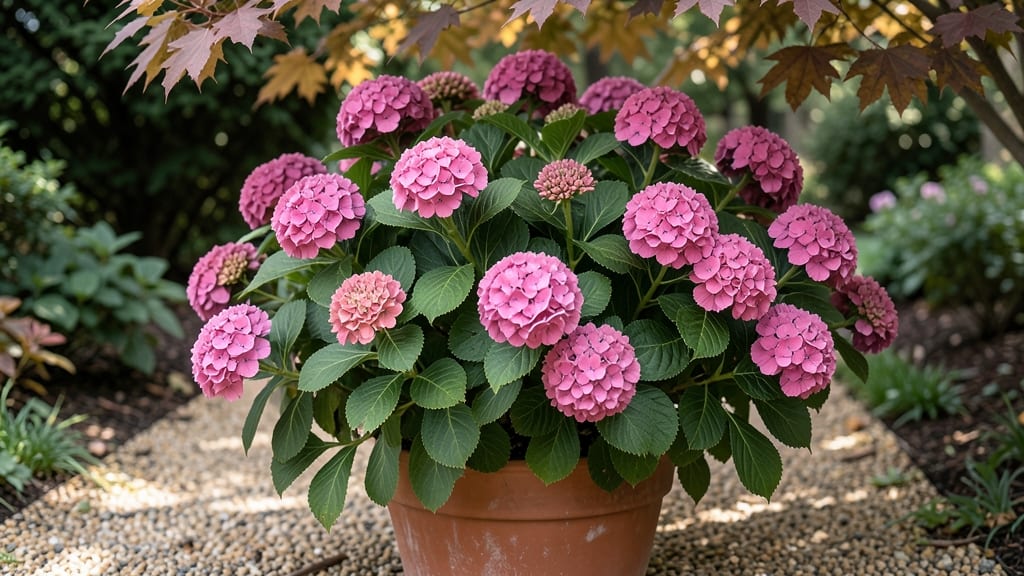
The Bloomstruck hydrangea bursts into color twice a year—at the perfect bloom time—thanks to its unique heat-triggered blooming habit. 🌸 Unlike traditional hydrangeas, this variety blooms on both old and new wood, meaning it rewards patience with two stunning displays per season if you time care just right.
The secret lies in summer heat: blooms form in response to warm temperatures, so consistent watering and afternoon shade in hot climates keep flowers vibrant. Prune lightly in late winter (before buds swell) to remove dead stems while preserving next year’s blooms—no drastic cuts needed.
By mid-July, you’ll see the first flush of blooms, followed by a second wave in September if summer stays warm. The key is even moisture and balanced fertilizer (high in phosphorus) to fuel those heat-triggered blooms without overstimulating foliage.
This hydrangea thrives in partial shade, making it perfect for patios or under trees. For repeat blooms, mulch well in spring and avoid heavy pruning—your reward will be nonstop color from summer through fall.
📚 In This Guide
- What you need
- Instructions
- Tips and common mistakes
- Wrapping up and next steps
What you need
- ● Bloomstruck Hydrangea Plants: 1–3 mature plants (depending on desired coverage)
- ● Ensure they’re labeled Hydrangea macrophylla ‘Bloomstruck’ for heat tolerance
- ● Soil Amendments: 2–3 gallons of peat moss or coconut coir (for moisture retention)
- ● 1–2 cups of hydrangea-specific fertilizer (high in phosphorus for blooms)
- ● 1 lb of organic compost (e.g., worm castings or aged manure)
- ● Mulch: 3–5 bags of wood chips or pine straw (3 inches deep)
- ● Watering Supplies: Garden hose with soaker hose attachment (for deep watering)
- ● 5-gallon watering can (for targeted hydration)
- ○ Heat-Trigger Tools (Optional but Helpful): Heat mat or black plastic mulch (to warm soil in cooler months)
- ● Thermometer (to monitor soil temps, ideally 65–75°F for blooming)
- ● Sunlight: Partial shade (4–6 hours of morning sun)—avoid harsh afternoon rays
- ● pH Test Kit: Aim for pH 5.5–6.2 (use aluminum sulfate to lower pH if needed)
- ● Well-Draining Soil: Bloomstruck thrives in moist but not soggy conditions
- ● Patience: Heat-triggered blooms may take 4–6 weeks after stress exposure
How to time Bloomstruck hydrangeas for perfect heat-triggered blooms
Here’s how I coax nonstop color from Bloomstruck hydrangeas by mastering their heat-dependent blooming cycle.
🌱 Step 1: Understand the Heat-Triggered Bloom Cycle
Bloomstruck hydrangeas bloom on new wood, meaning their flowers respond directly to temperature shifts. They need two key heat triggers: a cold winter dormancy followed by consistent daytime temperatures above 65°F for at least 14 days. I time my planting so roots establish before summer’s first heatwave—usually by early May in most climates.
Watch for the first flush of buds forming in early summer, usually when your area hits 70°F for 3+ consecutive days. This is your cue that the heat trigger has worked. If buds appear but fail to open, your plant may need more consistent warmth or protection from afternoon breezes that cool the flowers too quickly.
☀️ Step 2: Position for Maximum Heat Exposure
Place Bloomstruck hydrangeas in morning sun with afternoon shade—this balances heat exposure without stressing the plant. I position mine where they get 4-6 hours of direct sun, with the afternoon sun blocked by a nearby tree or lattice. Too much midday heat causes buds to dry out before opening.
In hotter climates, provide light afternoon shade after 10 AM to prevent bud scorch. You’ll notice buds forming more vigorously in areas with this balance—look for tight, green flower buds appearing along the stems by mid-summer. If your area lacks natural shade, use a sheer fabric shade cloth (30-50% coverage) during peak afternoon heat.
💧 Step 3: Water Strategically During Bloom Development
Once buds form, maintain even soil moisture—never let the root zone dry out completely. I water deeply twice weekly during bud development, aiming for 1-1.5 inches of water per week. The key is consistency: hydrangeas need steady hydration to develop strong flower stems. Let the top 2 inches of soil dry slightly between waterings—this prevents root rot while keeping buds plump.
Watch for wilting leaves or buds that appear dry and papery—this signals underwatering. In extreme heat, mulch with 2-3 inches of organic mulch to retain moisture and protect roots. Overhead watering can cause bud rot, so water at the base using a soaker hose or drip irrigation instead.
✂️ Step 4: Prune for Next Season’s Heat-Triggered Blooms
After the first bloom cycle fades, prune back one-third of the oldest stems to encourage new growth for next year. I make cuts just above a set of leaves or buds, using clean, sharp pruners. This stimulates fresh stems that will respond better to the next heat trigger. Avoid heavy pruning in late summer—it removes potential bloom buds for the following season.
Label pruned stems with a plant marker to track growth. You’ll see new shoots emerging within 4-6 weeks, and these will carry next year’s blooms. If your hydrangea produces fewer buds than expected, it may need more phosphorus-rich fertilizer in early spring to support flower development.
Tips & tricks for perfect Bloomstruck hydrangea bloom timing
Mastering these heat-dependent blooms takes more than just planting—here's how I ensure vibrant color every season.
Heat Trigger Timing: The 14-day window of consistent daytime temperatures above 65°F is non-negotiable for Bloomstruck hydrangeas. I track local weather forecasts and plant in early May to ensure roots establish before summer's first heatwave. Use a minimum-maximum thermometer to verify those temperatures—some mornings can dip below 65°F even in summer, delaying blooms. If you're in a cooler climate, consider planting near a south-facing wall or using black plastic mulch to warm the soil.
Bud Development Watch: Those tight, green flower buds appearing in mid-summer are your clearest sign the heat trigger worked. Look for buds that feel firm but slightly plump to the touch—soft or shriveled buds indicate either inconsistent heat exposure or moisture stress. I check buds every 3-4 days during development, especially after heatwaves. If you notice buds forming but not opening, try moving the plant to a slightly warmer, more sheltered location for 2-3 days to complete the heat trigger.
Shade Strategy for Hot Climates: The afternoon shade recommendation isn't just about preventing leaf scorch—it's about protecting those delicate flower buds from drying out before they open. In areas where afternoon shade isn't available, I use a sheer fabric shade cloth (30-50% coverage) only during peak heat hours (12-3 PM). The key is to remove it by late afternoon so the plant still gets some evening sunlight, which helps set the buds properly for opening.
Pruning Precision: When you prune back one-third of the oldest stems in Step 4, make your cuts just above a set of leaves or buds—never above a bud that's already formed. I use clean, sharp pruners and make angled cuts about 1/4 inch above the bud to prevent water from pooling. This precise pruning stimulates fresh stems that will respond better to next year's heat trigger. Label the pruned stems with plant markers to track which ones are new growth—you'll see those new shoots emerge within 4-6 weeks, ready for next season's blooms.
Pro Tips for Bloomstruck Hydrangea Bloom Time
- Mastering these heat-dependent blooms takes more than just planting—here's how I ensure vibrant color every season.
- Heat Trigger Timing: The 14-day window of consistent daytime temperatures above 65°F is non-negotiable for Bloomstruck hydrangeas.
- Bud Development Watch: Those tight, green flower buds appearing in mid-summer are your clearest sign the heat trigger worked.
Frequently asked questions
about Bloomstruck hydrangeas—because timing, care, and those stunning blooms deserve clarity!When will my Bloomstruck hydrangea bloom?
Bloomstruck hydrangeas are heat-triggered, meaning they bloom in response to warm temperatures (typically above 70°F/21°C). Plant in early spring, and you’ll see blooms starting around late June to August, lasting until frost. For year-round color, plant in zones 5-9 and enjoy repeat blooms with proper care!
Why isn’t my Bloomstruck hydrangea blooming?
If your plant isn’t blooming, check these common issues:
- Insufficient heat: Ensure it gets consistent warmth (70°F+). Move potted plants to sunnier spots or use row covers.
- Pruning mistakes: Avoid cutting back after summer—prune in late winter/early spring to encourage new growth.
- Water stress: Keep soil consistently moist (not soggy). Drought can delay blooms.
- Young plant: First-year plants focus on root growth. Blooms may appear year two.
Can I force Bloomstruck hydrangeas to bloom earlier?
While you can’t force blooms, you can encourage earlier color with these tricks:
- Plant in a warm microclimate: Choose a south-facing spot or use black plastic mulch to absorb heat.
- Use grow lights: For potted plants, add 12+ hours of light daily in early spring to kickstart growth.
- Start indoors: Root cuttings in late winter under grow lights for a head start.
What’s the best alternative if Bloomstruck blooms fade?
If your Bloomstruck blooms aren’t holding up, try these heat-loving hydrangea alternatives for nonstop color:
Variety
Bloom Time
Key Feature
Endless Summer
June–frost
Reblooms on old and new wood; thrives in partial shade.
Limelight
June–September
Vibrant lime-green blooms; drought-tolerant once established.
Vanille Fraise
June–October
Sweet-scented pink blooms; great for containers.
How do I revive a Bloomstruck hydrangea with brown blooms?
Brown blooms often signal stress. Try this quick fix:
- Check soil moisture: Brown edges? Water deeply and mulch to retain moisture.
- Adjust sunlight: Too much sun = scorched blooms. Move to morning sun/afternoon shade.
- Prune dead blooms: Cut back brown stems to healthy growth to redirect energy.
- Fertilize: Use a balanced fertilizer (10-10-10) in spring to boost recovery.
Wrapping up and next steps
Ready to unlock the secret to year-round hydrangea blooms? 🌸 With Bloomstruck® hydrangeas, the key lies in understanding their heat-triggered magic—planting in the right zone, adjusting care as seasons shift, and embracing patience for that first spectacular flush.
Whether you’re a seasoned gardener or a curious beginner, these tips will turn your garden into a nonstop color show.
Now that you’re armed with the know-how, take the next step: grab your shears, pick a sunny spot, and plant your Bloomstruck® hydrangeas this weekend. Watch your garden transform—and don’t forget to share your blooming progress with fellow plant lovers! 🌿✨