
Blooming
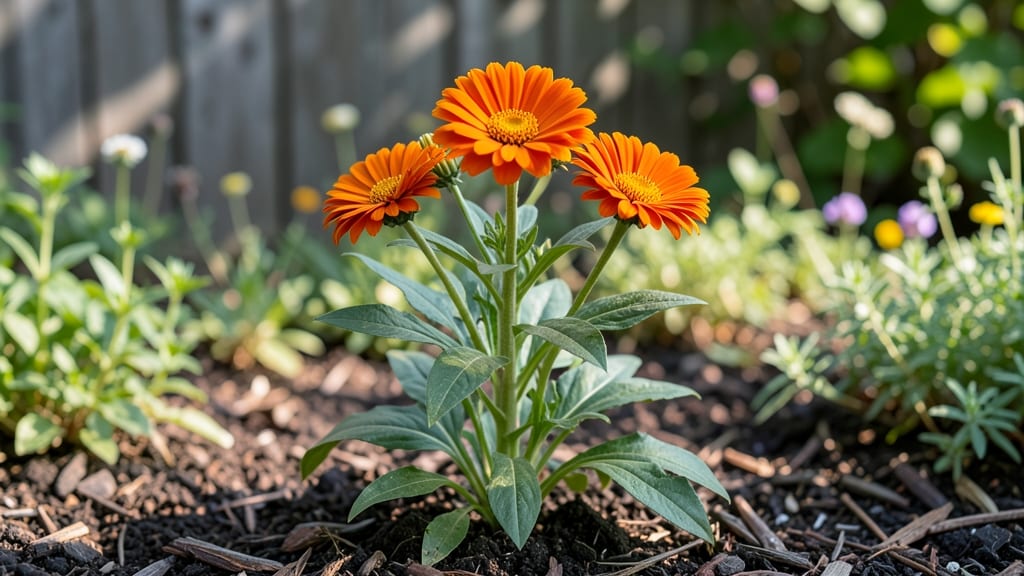
Calendula blooms thrive from early summer to frost, but their 6-8 week bloom time can feel frustratingly short if you don’t know the tricks to keep them flowering.
Picture this: your garden bursting with golden 🌼 calendula, only to watch them fade faster than you’d like. The secret isn’t just luck—it’s timing, and the most powerful tool in your arsenal is deadheading at the right moment.
Most gardeners assume calendula is a one-and-done annual, but with the right care, you can stretch those vibrant blooms well into fall.
Whether you’re in USDA Zone 6a or a warmer climate, understanding their natural lifecycle—and how to work with it—is the key to a garden that stays cheerful all season.
In this guide, I’ll walk you through how to read your calendula’s signals, when to snip for maximum blooms, and the pro tips that turn a fleeting display into a long-lasting showstopper.
Understanding calendula bloom time and natural lifecycle stages
Calendula plants burst into color with their iconic golden-orange blooms, but their 6-8 week bloom cycle can feel disappointingly brief if you don't understand their natural lifecycle. These cheerful annuals follow a predictable pattern from seed to spent flower, with peak flowering typically occurring 60-75 days after planting.
The key to maximizing their display lies in recognizing each stage and adapting your care accordingly.
Unlike perennials that return year after year, calendula completes its entire lifecycle in one growing season. This means each plant produces flowers, sets seed, and then naturally declines - unless you intervene with proper deadheading techniques.
The spring planting window (after last frost) triggers their first flush of blooms, while fall-planted varieties may extend flowering into winter in mild climates.
| Lifecycle Stage | Timeframe | Visual Cues | Key Characteristics |
|---|---|---|---|
| Seedling | 0-14 days | 🌱 Small round leaves | Slow growth, needs protection from pests |
| Vegetative Growth | 2-4 weeks | 🌿 Tall stems, lush foliage | Rapid stem elongation, minimal flowers |
| Initial Bloom | 4-6 weeks | 🌼 First open flowers | Brightest colors appear, buds form continuously |
| Peak Bloom | 6-8 weeks | 🌻 Fully open blooms | Maximum flower production, vibrant petals |
| Spent Flowers | 8-10 weeks | 💀 Brown centers, wilting petals | Energy shifts to seed production, fewer new blooms |
| Seed Set | 10-12 weeks | 🌾 Developing seed pods | Plant focuses on reproduction, growth slows |
The temperature requirements dramatically affect calendula's bloom time. In USDA zones 6-9, spring-planted calendula typically begins blooming in late May to early June, with continuous flowering until first frost.
However, in warmer climates (zones 10-11), calendula can bloom year-round with proper care, often producing two major bloom cycles - one in spring and another in fall.
Light conditions play a crucial role in determining bloom time. Calendula requires full sun (6+ hours daily) to trigger flowering, but partial shade (3-6 hours) can delay blooms by 1-2 weeks. The golden rule is: more sunlight = earlier and more abundant blooms.
In my zone 7 garden, I've noticed that calendula planted in south-facing beds begins flowering 10-14 days earlier than those in east-facing locations.
One common misconception is that calendula is a perennial plant. While it can self-seed prolifically, each individual plant only lives for one growing season. The natural lifecycle includes a built-in mechanism where the plant shifts energy from flowering to seed production after about 8 weeks of blooming.
This is why you'll often see calendula plants with fewer flowers and more seed heads as summer progresses.
Identifying peak bloom vs. spent flowers is essential for timing your deadheading efforts. At peak bloom, calendula flowers have fully open petals with vibrant color and greenish-yellow centers. Spent flowers, on the other hand, show brown centers, wilting petals, and sometimes developing seed pods.
The transition between these stages happens surprisingly quickly - often within 24-48 hours - so regular monitoring is key.
Seasonal variations create different bloom patterns. Spring-planted calendula typically produces its first flowers in late May to June, while fall-planted varieties may not bloom until late August to September.
In my experience with zone 5 gardens, fall-planted calendula often provides longer-lasting blooms because cooler temperatures slow the transition to seed production.
Temperature extremes can significantly shorten bloom time. Heatwaves above 90°F (32°C) often cause calendula to bolt prematurely, producing seed pods instead of flowers. Conversely,
Step-by-step deadheading guide to extend calendula blooms
Deadheading your calendula is the easiest way to turn a 6-8 week bloom cycle into months of continuous color. By removing spent blooms, you redirect the plant’s energy from seed production back to producing new flowers.
The key lies in timing, technique, and avoiding common pitfalls that can actually shorten your blooms.
Many gardeners make the mistake of waiting until flowers are completely brown or letting seed pods form. By then, your calendula has already decided to focus on reproduction rather than flowering.
The best time to deadhead is when 30-50% of petals have fallen naturally or when the center turns from green to brown—this signals the plant is ready to shift energy.
How to Deadhead Calendula for Maximum Blooms
-
Step 1: Choose Your Tools
Use clean, sharp pruners or your fingers for small stems. Avoid dull tools that crush stems—this invites disease.
-
Step 2: Timing Matters
Deadhead in the early morning when stems are stiff and dew has dried. Avoid evening sessions to prevent fungal risks.
-
Step 3: Pinch or Cut?
Pinching: Use fingers to remove individual spent blooms (ideal for bushy varieties). Cutting: Snip 1-2 inches above a leaf node for taller stems (encourages branching).
-
Step 4: Avoid These Mistakes
❌ Don’t remove more than 1/3 of the plant at once—this stresses calendula. ❌ Never deadhead buds that haven’t opened—this stops future blooms. ❌ Skip deadheading if temperatures drop below 50°F—plants conserve energy in cool weather.
-
Step 5: Frequency is Key
Check your calendula every 3-5 days during peak bloom (June-August). In cooler months, extend checks to once weekly.
For container-grown calendula, deadheading is even more critical since space is limited. Focus on removing spent blooms from the outer edges first, as these receive the most sunlight and can spur new growth faster.
In ground plants benefit from a more systematic approach—work in rows or sections to avoid overwhelming yourself.
If your calendula starts producing seed pods too quickly, it’s a sign you’ve waited too long. Next time, aim to deadhead 2-3 days earlier when you notice the first petal drop. This small adjustment can extend your bloom season by 3-4 weeks in ideal conditions.
Remember, calendula thrives on consistency. Pair your deadheading routine with regular watering (1 inch per week) and a light fertilizer every 4-6 weeks during active growth. Together, these steps create the perfect recipe for nonstop blooms from early summer to first frost.