
Blooming
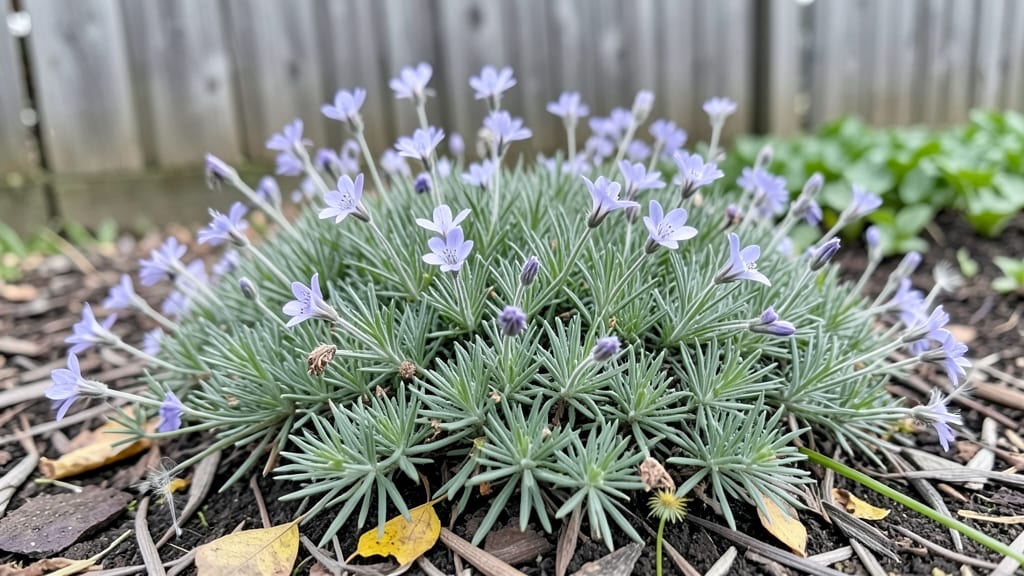
Timing isn’t just about the calendar—it’s about your local microclimate too. 🌿 For instance, high-elevation gardens in Colorado might see February blooms, while coastal California gardens could push blooms into June due to milder temperatures.
The key is observing your specific conditions, as even a single zone difference can shift the bloom window by weeks.
Once you’ve pinpointed your zone, maintaining 6+ hours of sunlight and well-draining soil with a pH of 6.0-7.0 becomes your secret weapon for vibrant, long-lasting blooms.
I’ve found that adding a balanced fertilizer in early spring gives my phlox that extra burst of color, turning a 3-week show into a 5-week spectacle.
💡 In This Article
- Climate Zones and Exact Blooming Months for Creeping Phlox
- Extending Creeping Phlox Bloom Time with Pruning and Care
Climate zones and exact blooming months for creeping phlox
Creeping phlox thrives across USDA hardiness zones 3 through 9, but its bloom timing varies dramatically based on temperature patterns.
In zones 3-5 (northern climates like Minnesota or Maine), expect blooms as early as late February to March, often triggered by snowmelt and rising daytime temperatures above 45°F.
Meanwhile, zones 7-9 (southern regions like Georgia or Florida) typically see blooms delayed until April to early May, when consistent 60°F+ temperatures arrive. 🌸
The transition zones—6 and 7—show the most variation. In the Pacific Northwest (e.g., Portland, OR), coastal influences keep temperatures mild, pushing blooms to March-April with peak color in late March.
Conversely, inland areas like Las Vegas, NV (zone 9) may delay blooms until May due to hotter daytime temperatures and cooler nights. Elevation plays a critical role too: gardens at 5,000 feet (like Denver) often bloom 2-3 weeks earlier than those at sea level.
Wind exposure also shifts bloom timing. Coastal gardens (e.g., San Francisco, CA) experience maritime winds that cool evenings, delaying blooms until April despite mild days. In contrast, sheltered inland spots (like Chattanooga, TN) may see earlier blooms in March due to warmer nighttime temperatures.
The key is observing your local last frost date—phlox typically needs 4-6 weeks of consistent 50°F+ temperatures to trigger flowering. 🌬️
Here’s a quick zone-by-zone breakdown of bloom windows:
- Zones 3-5: Late February to April (earliest in sheltered microclimates)
- Zones 6-7: March to early May (coastal areas lean later)
- Zones 8-9: April to June (warmer regions may rebloom in fall)
What most gardeners overlook is how temperature fluctuations affect bloom duration. Phlox in zone 5 (e.g., Chicago) may experience shorter, more intense blooms (2-3 weeks) due to rapid spring warming, while zone 7 (e.g., Atlanta) often enjoys prolonged color for 4-5 weeks thanks to gradual temperature rises.
This is why phlox in cooler microclimates (like north-facing slopes) often outperform those in hot, exposed areas. 🌡️
Pro tip: Track your local degree-day accumulation (a measure of heat exposure) to predict blooms. Phlox typically needs 1,000-1,500 degree-days above 40°F to trigger flowering—tools like the National Oceanic and Atmospheric Administration (NOAA) climate database can help you calculate this for your area.
Knowing this number lets you adjust planting times or expect shifts in bloom windows year to year. 📊