
Blooming
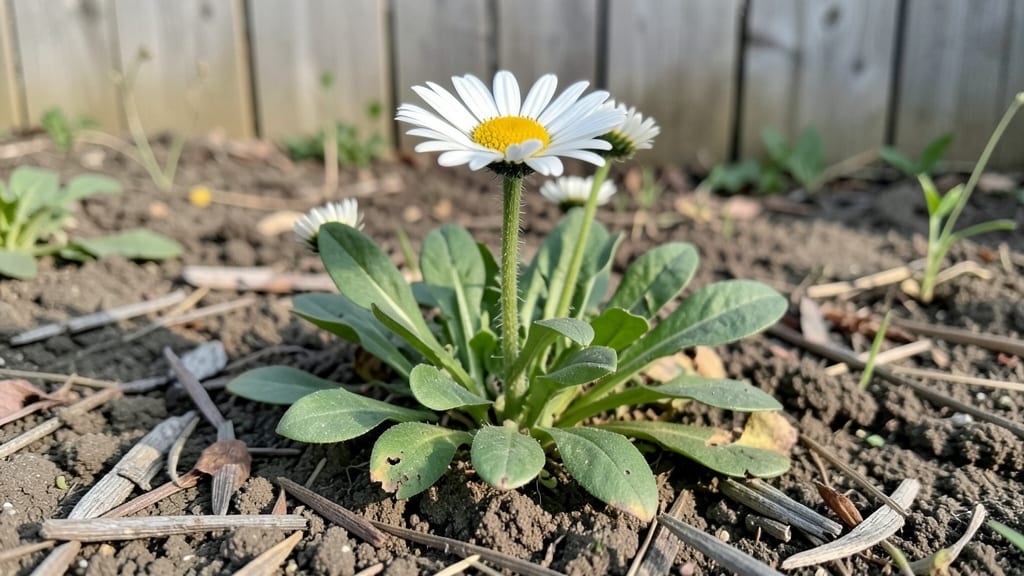
Daisy blooming time varies by variety but typically occurs between late spring and early fall, peaking in June and July in temperate zones, with some species flowering continuously if deadheaded regularly.
Many gardeners love daisies because their blooming cycles align beautifully with warm weather, but the timing can shift dramatically based on where you live. 🌸 For instance, Shasta daisies often start blooming in late spring and continue through summer, while oxeye daisies might linger into early fall.
The key to longer displays is regular deadheading—removing spent blooms encourages new flowers to form, keeping your garden vibrant well past the peak months.
If you're in a cooler climate, like USDA Zone 4 or 5, some daisy varieties may wait until late spring to bloom, while those in warmer zones could start as early as April.
I’ve found that well-draining soil and consistent moisture make a huge difference in how quickly and prolifically daisies flower, especially for varieties like Gerbera daisies that thrive with a little extra care.
💡 In This Article
- Factors Affecting Daisy Flowering Seasons
- Best Daisy Varieties for Year-Round Blooms
Factors affecting daisy flowering seasons
Climate zones—specifically those defined by the USDA hardiness map—play a dominant role in determining when daisies bloom.
For example, Shasta daisies (Leucanthemum × superbum) thrive in zones 5-9 and typically start flowering in late May to early June, while oxeye daisies (Leucanthemum vulgare) in zone 3 may wait until June or even July due to cooler spring temperatures.
The key mechanism here is vernalization, where exposure to cold temperatures triggers flowering in perennials like these.
Sunlight exposure is another critical factor, with most daisies requiring 6-8 hours of direct sunlight daily for optimal blooming. In partial shade (3-6 hours of sun), varieties like the Gerbera daisy may produce fewer blooms but with larger, more vibrant petals.
Soil conditions also matter—well-draining soil with a pH between 6.0 and 7.0 ensures nutrients like phosphorus (essential for flowering) are readily available. Overly acidic or alkaline soil can stunt growth and delay blooms by up to 2-3 weeks.
Watering habits directly impact flowering speed, especially during the budding stage. Daisies need 1-1.5 inches of water weekly, but inconsistent moisture can cause buds to drop before opening.
I’ve noticed that drip irrigation or soaker hoses keep roots consistently moist without wetting foliage, which reduces fungal risks and encourages stronger stems. Overwatering, however, can lead to root rot, while underwatering stresses plants into dormancy, delaying blooms by 3-4 weeks.
Deadheading—removing spent blooms—is the secret to extending flowering seasons. When you snip off faded flowers, you’re signaling the plant to redirect energy from seed production to new bud formation. For continuous bloomers like Gerbera daisies, this can mean flowers appearing every 2-3 weeks instead of just once per season.
In my garden, deadheading oxeye daisies in July often triggers a second flush of blooms by September.
Temperature fluctuations also influence timing. Early spring frosts (below 28°F) can damage emerging buds, while sudden heat waves (>90°F) may cause buds to open prematurely or wilt. This is why gardeners in USDA Zone 7 often see daisies bloom 2-3 weeks earlier than those in Zone 5.
The science here involves ethylene gas production, which accelerates senescence (aging) in flowers when stressed by extreme temperatures.
Soil fertility matters too—adding balanced 10-10-10 fertilizer in early spring boosts phosphorus, which is crucial for flower development. Organic options like composted manure or bone meal work slowly but provide long-term benefits.
I’ve found that slow-release fertilizers prevent nutrient spikes that can cause rapid (but short-lived) blooms, while liquid feeds give a quick boost during the peak flowering months (June-July).