
Lawn
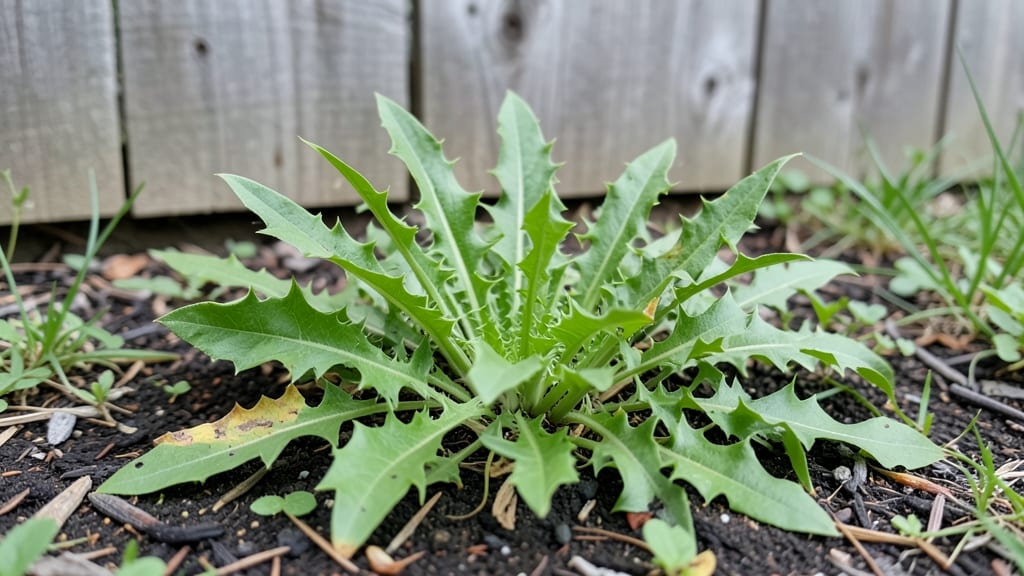
Harvesting dandelion greens before they bloom captures their peak nutrition—vitamins A, K, and calcium at their most potent.
Did you know those pesky 🌼 dandelions in your lawn are actually a powerhouse of nutrients—before they bloom? Harvesting them early unlocks a treasure trove of vitamins, minerals, and antioxidants that fade once those iconic yellow flowers appear.
Most people pull them out entirely, but those young leaves are tender, sweet, and packed with flavor—perfect for salads, sautéing, or even tea. The key is timing: early spring, when the leaves are 4-6 inches long and still vibrant green.
In this guide, I’ll walk you through when and how to harvest for maximum nutrition, creative ways to use them in cooking, and even how to encourage more growth so your lawn stays green—and edible.
Why harvest dandelion greens before blooming for maximum nutrition
I’ve always thought of dandelions as weeds, but harvesting their greens before they bloom transforms them into a nutritional powerhouse. These young leaves pack more vitamin A and calcium than spinach, along with potassium and vitamin K—all of which decline sharply once those bright yellow flowers appear.
Timing is everything, and understanding why early harvests matter can change how you view these resilient plants.
The key to unlocking their full potential lies in their pre-bloom stage, when leaves are tender and nutrient-dense. Once dandelions flower, their bitterness increases, and their nutrient concentration drops by up to 40%.
This shift happens because the plant redirects energy toward flower production instead of leaf growth. By harvesting before blooming, you’re essentially capturing the plant at its peak nutritional value.
| Nutrient | Pre-Bloom Value | Post-Bloom Value | Key Benefit |
|---|---|---|---|
| Vitamin A | 11,000 IU per 100g | 3,000 IU per 100g | Supports vision and immune function |
| Vitamin K | 483mcg per 100g | 150mcg per 100g | Essential for blood clotting |
| Calcium | 177mg per 100g | 80mg per 100g | Strengthens bones and teeth |
| Potassium | 376mg per 100g | 200mg per 100g | Regulates blood pressure |
| Fiber | 2.8g per 100g | 1.5g per 100g | Promotes digestive health |
| Antioxidants | High (flavonoids, luteolin) | Moderate | Reduces inflammation |
When it comes to harvesting, young leaves are the goldmine. The outer leaves can be tougher, but the inner, lighter green leaves are the most tender and nutrient-rich. Aim to harvest when leaves are 4-6 inches long but still unfurled.
This ensures they’re fully developed yet still sweet and mild. If you wait until they’re larger or start to flower, you’ll miss out on their peak nutritional benefits.
The ideal harvesting window is from late winter to early spring, just as the plants begin to grow vigorously after dormancy. In my experience, harvesting in March or April—before the first buds appear—gives you the freshest, most flavorful greens.
This timing aligns with the plant’s natural growth cycle, ensuring you’re getting the most out of what nature offers.
Don’t overlook the stems, either. While they’re not as nutrient-dense as the leaves, young stems can be chopped and used in soups or stir-fries. However, they tend to become woody as the plant matures, so it’s best to focus on the leaves for maximum nutrition.
If you’re growing dandelions intentionally, you can even encourage regrowth by cutting back the stems after harvesting the leaves.
One of the biggest mistakes I see is harvesting dandelions after they’ve already bloomed. By then, the leaves are bitter and fibrous, and their nutritional value has significantly declined.
If you’ve missed the pre-bloom window, you can still use the leaves, but they’ll require more preparation—like blanching or soaking—to reduce bitterness. It’s always better to harvest early if you want the best flavor and nutrition.
To make the most of your harvest, prioritize the youngest, most tender leaves and avoid any that look wilted or yellowed. Store harvested greens in a perforated bag in the refrigerator for up to 5-7 days.
This keeps them crisp and retains their nutrients. If you’re not using them immediately, consider freezing them for later use in smoothies or cooked dishes.
Harvesting dandelion greens before they bloom isn’t just about getting rid of weeds—it’s about tapping into a free, nutrient-rich food source that’s often overlooked. With a little effort, you can turn those pesky dandelions into a valuable addition to your diet.
Plus, you’ll be encouraging healthier soil by removing them before they go to seed.
Next time you spot a dandelion in your lawn, take a closer look. Those bright green leaves might just be the most nutritious greens you’ve ever grown—right in your backyard. 🌱
Step-by-step guide to harvesting dandelion greens before flowers appear
Harvesting dandelion greens at the right moment transforms those "weeds" into a nutrient-dense superfood. The key is acting fast—before the yellow blooms appear. Once flowers open, the leaves become tougher and more bitter, reducing their culinary and nutritional value.
Timing your harvest correctly ensures you get the tender, sweetest leaves packed with vitamins A, K, and calcium.
To maximize your harvest, focus on young leaves between 4-6 inches long and avoid plants with visible buds. Early morning is the best time to pick, as the leaves are crisp and less likely to wilt.
Always use clean, sharp tools to prevent damage, and remember: the younger the leaf, the milder the flavor. This guide will walk you through every step, from tools to storage, so you can enjoy fresh, homegrown greens all season.
Your Pre-Bloom Dandelion Harvest Checklist
- 1 Choose the right time: Harvest in early spring (March-April) when leaves are 4-6 inches long and no buds are visible. Avoid harvesting after 10 AM to prevent wilting.
- 2 Gather your tools: Use a sharp pair of scissors or clean pruning shears. Avoid pulling leaves to prevent damaging the root. A bucket of cold water will keep greens fresh during harvest.
- 3 Cut leaves properly: Snip leaves just above the base to encourage regrowth. Avoid cutting into the taproot or you’ll kill the plant. For larger harvests, focus on the outer leaves first to leave the center intact.
- 4 Reduce bitterness: Rinse leaves in cold water to remove dirt and pests. Soak in ice water for 10 minutes to soften texture. Discard any yellow or wilted leaves immediately.
- 5 Store for freshness: Keep greens in a sealed container with a paper towel to absorb moisture. Store in the crisper drawer for up to 5 days. For longer storage, blanch and freeze in airtight bags.
- 6 Encourage regrowth: After harvesting, water the base of the plant to promote new growth. Dandelions are perennial, so they’ll often regrow for multiple harvests before flowering.
One of the biggest mistakes gardeners make is waiting too long to harvest. If you miss the pre-bloom window, the leaves will develop a bitter taste and tough texture.
To avoid this, set a reminder to check your lawn or garden beds in early spring, especially after frost-free nights. The first flush of growth after winter is the most tender and flavorful.
Pro tip: If you’re harvesting from a lawn, use a hand weeder to gently lift the plant before cutting. This minimizes damage to surrounding grass. For larger patches, consider mulching after harvest to suppress weeds and retain moisture for future growth.
This dual-purpose approach keeps your lawn looking neat while giving you a steady supply of greens.
Once you’ve mastered the harvest, you’ll wonder why you ever considered dandelions weeds. Their versatility in salads, sautéed dishes, or teas makes them a low-maintenance superfood. With these steps, you’ll enjoy fresh, homegrown greens that are cheaper than store-bought and packed with nutrients. Happy harvesting!