
Blooming
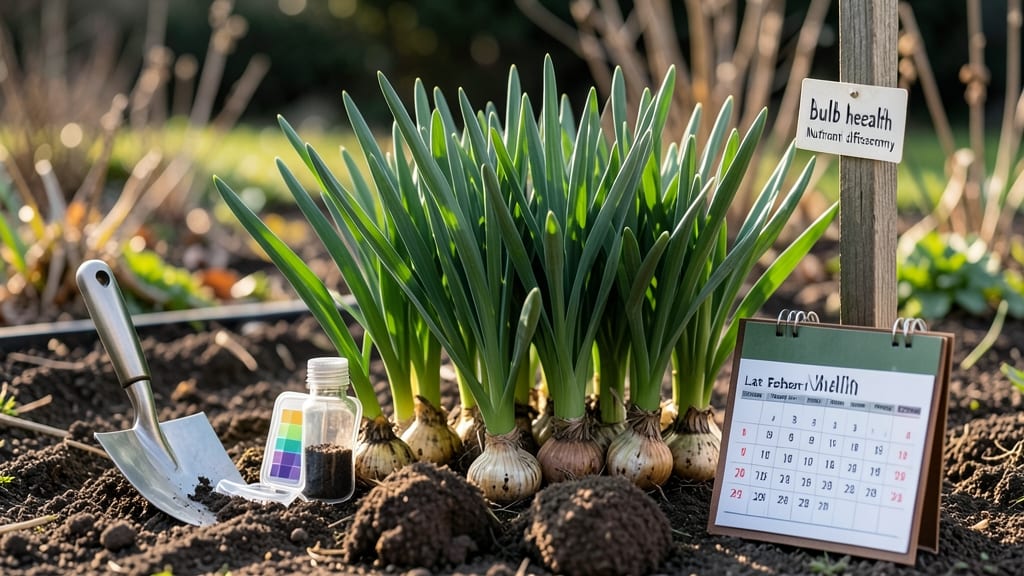
Why didn’t my daffodils bloom this year? 🌱 I’ve seen this exact frustration after years of growing them, and the fixes are simpler than you’d think. The most common culprits are sunlight starvation, overcrowded bulbs, or bulbs that have simply outlived their blooming prime. Each issue has a straightforward solution, and most can be addressed before next spring.
First, check your planting spot: daffodils need at least 6 hours of sunlight daily—any less and they’ll focus energy on leaves instead of flowers. Overcrowding is another silent killer; bulbs need space to grow, and after 3-5 years, dividing them can double your blooms next season.
Even healthy bulbs eventually tire out—if yours are over 5 years old, they might just need a rest or replacement.
You’ll see the first signs of revival by late winter: stronger stems, deeper green foliage, and—if you’re lucky—tiny buds peeking through. A balanced spring fertilizer (high in phosphorus) can also jumpstart blooming for next year’s display.
The key is to act now, while the ground is still workable, so you’re not scrambling in early spring.
This isn’t a lost cause—daffodils are tough survivors. With the right adjustments, you’ll have bold, cheerful blooms next spring that’ll make your neighbors green with envy. Let’s turn this around before it’s too late.
Root Causes Behind Missing Blooms
Daffodils are hardy, cheerful plants that usually burst into bloom with minimal fuss—but when they skip their floral show, it’s often due to overlooked factors. Understanding the why behind the lack of blooms is the first step to bringing back those golden trumpets next season.
Here’s a breakdown of the most common culprits, explained in plain terms with science-backed insights.
Daffodils are sun-loving plants, and not getting enough light is one of the top reasons they fail to bloom. These bulbs thrive in full sun (6–8 hours of direct sunlight daily), but many gardeners unknowingly plant them in shady spots or under overhanging trees.
Why it happens:
- Photosynthesis slowdown: Without adequate light, the bulb can’t produce enough energy (via chlorophyll) to fuel bloom development. The plant may still grow green foliage, but it diverts energy to survival instead of flowering.
- Weakened bulb reserves: Daffodils store energy in their bulbs for spring blooming. If the plant is starved of light, it depletes these reserves faster, leaving nothing for flowers the following year.
- Competition from trees/shrubs: Even partial shade from nearby plants can reduce light intensity by 30–50%, stunting bloom production.
Actionable fix:
- 🔍 Audit your garden: Observe where your daffodils are planted. If they’re in a spot that gets <4 hours of sun, relocate them to a sunnier area ASAP.
- ⏳ Gradual transition: If moving bulbs isn’t possible, try thinning nearby shade-casters (like hostas or ferns) to improve light penetration.
- 🌿 Companion planting: Avoid planting daffodils under tall perennials (e.g., daylilies or black-eyed Susans) that will outcompete them for light.
Pro tip: 💡 If your yard has no full-sun spots, opt for early-blooming daffodil varieties (like ‘Tête-à-Tête’ or ‘Ice Follies’), which tolerate slightly more shade than late bloomers.
Daffodils are drought-tolerant once established, but excess moisture—especially in winter or spring—can suffocate bulbs and prevent blooming. Poor drainage is a silent killer, leading to bulb rot and wasted energy.
Why it happens:
- Rotten bulbs: Daffodil bulbs are not waterlogged plants. Soggy soil (from overwatering, clay soil, or low-lying areas) causes bulb rot (Fusarium or Pythium fungi), which halts flower production. A rotting bulb can’t bloom!
- Stressed roots: Waterlogged conditions deprive roots of oxygen, triggering an emergency response that prioritizes survival over flowering.
- Nutrient leaching: Overwatering flushes out essential nutrients (like phosphorus and potassium) that daffodils need to form flower buds.
Actionable fix:
- 🚰 Check your soil: Dig down 6 inches near your daffodils. If the soil stays damp for >48 hours after watering, it’s too soggy. Amend with compost or sand to improve drainage.
- 🌧️ Adjust watering habits: Water deeply but only when the top 2 inches of soil are dry. Avoid sprinklers that soak foliage (this encourages fungal diseases).
- 🏗️ Raise beds or mound soil: If your yard is naturally low-lying, create a slight mound (4–6 inches high) around daffodil clusters to prevent water pooling.
- ⚠️ Winter watch: In rainy climates, use French drains or gravel mulch to divert excess water away from bulb beds.
Pro tip: 🌡️ Test your soil’s pH (ideal: 6.0–7.0). Waterlogged soil often becomes acidic, further stressing bulbs. Add lime if needed.
Daffodils follow a strict seasonal rhythm, and planting them at the wrong time disrupts their natural bloom cycle. Even mature bulbs need proper timing to set flower buds.
Why it happens:
- Missed chilling period: Daffodils require 6–8 weeks of cold temperatures (40–50°F) to trigger bloom formation. If planted too late in fall, bulbs may not get enough winter chill.
- Early spring disturbance: Digging up or dividing daffodils after they’ve sprouted (but before blooming) severs the energy flow needed to develop flower buds for next year.
- Summer heat stress: Planting in late summer (instead of fall) means bulbs face high summer temps before they’ve established roots, weakening their ability to bloom.
Actionable fix:
- ⏰ Plant in fall: Aim for 6–8 weeks before the first hard frost (typically October–November in most zones). For example:
Zone Ideal Planting Window 3–5 Mid-September to early October 6–7 October to mid-November 8–10 November to early December - 🌡️ Verify chill hours: In warm climates (Zone 8+), choose low-chill daffodil varieties (e.g., ‘February Gold’ or ‘Soleil d’Or’).
- 🔄 Divide bulbs correctly: Only split daffodil clumps after foliage yellows and dies back (late summer). Never disturb them while they’re blooming or in early spring!
Pro tip: ✨ If you missed the fall window, store bare bulbs in a cool, dark place (40°F) until planting—but expect delayed or reduced blooms the first year.
Daffodils are low-maintenance, but imbalanced nutrients—whether from too little or too much fertilizer—can derail blooming. These plants need specific nutrients to form flower buds.
Why it happens:
- Lack of phosphorus (P): Phosphorus is critical for flower development. A deficiency (common in sandy or leached soils) leads to weak or no blooms, even if foliage looks healthy.
- Excess nitrogen (N): Too much nitrogen (from lawn fertilizer or manure) makes daffodils prioritize leafy growth over flowers. Think of it like a bodybuilder with huge muscles but no gains—all foliage, no blooms!
- Potassium (K) shortage: Potassium helps regulate water and nutrient uptake. Without it, bulbs struggle to store energy for next year’s flowers.
Actionable fix:
- 📊 Test your soil: A simple home soil test kit (or lab test) will reveal deficiencies. Daffodils thrive in soil with:
- Phosphorus (P): 40–6
Revive your daffodils now
If your daffodils skipped blooming this year, don’t panic—there’s almost always a fix! Below, we’ve mapped out practical solutions for each common cause, along with tips to prevent future disappointments. Follow these steps to bring back the cheerful yellow (or white, or orange) faces of spring.
Daffodils thrive in full sun (6+ hours daily), but partial shade can stunt blooms. If your garden is shady, relocate them to a sunnier spot before next spring.
How to Fix It:- 🔥 Assess sunlight: Track how much sun your daffodils get for a week. Use a sunlight meter app or observe shadows.
- 👨🍳 Relocate bulbs: Dig up bulbs (after foliage dies in summer) and replant them in a sunnier bed. Space them 4–6 inches apart.
- 🌡️ Temporary boost: If moving isn’t possible, place a reflective surface (like a mirror or white board) near them to bounce extra light.
Soggy soil or compacted ground can suffocate bulbs, leading to no blooms. Daffodils hate "wet feet" but need consistent moisture.
How to Fix It:- 🔪 Improve drainage: Amend heavy clay soil with compost or sand (mix 1:1 with existing soil). For containers, use a well-draining potting mix with perlite.
- 🌧️ Adjust watering: Water deeply once a week (more in extreme heat). Let the top 2 inches of soil dry out between waterings.
- ⏰ Mulch properly: Apply 2–3 inches of mulch (straw or shredded bark) to retain moisture without smothering bulbs.
Daffodils need nutrients to bloom. If your soil is nutrient-poor, they’ll focus on foliage instead of flowers.
How to Fix It:- 📊 Soil test first: Use a home soil test kit to check pH (ideal: 6.0–7.0) and nutrient levels.
- 💪 Fertilize smartly:
- Spring (after blooms fade): Apply a balanced fertilizer (10-10-10) or bulb-specific food.
- Fall (planting season): Mix in bone meal or compost for phosphorus (bloom booster).
- 🥗 Avoid overdoing nitrogen: Too much = lush leaves, no flowers. Stick to low-nitrogen feeds.
Daffodils need cool fall temperatures to trigger blooming. If planted too late or in warm soil, they may skip flowering.
How to Fix It:- ⏰ Plant at the right time: Aim for 6–8 weeks before the first hard frost (typically October–November in most climates).
- 🥶 Chill them out: If you missed the window, store bulbs in a cool, dark place (35–40°F) for 12–16 weeks, then replant.
- 🌱 Divide and conquer: Dig up clumps, separate bulbs, and replant in fresh soil to refresh their energy.
Squirrels, rodents, or fungal diseases (like Basidiomycosis) can damage bulbs, preventing blooms.
How to Fix It:- 🐭 Deter rodents:
- Plant bulbs deeper (8+ inches) or use chicken wire cages.
- Try hot pepper spray (mix 1 tsp cayenne + 1 quart water) around the base.
- 🍄 Treat fungal issues:
- Remove infected foliage and dispose of it (don’t compost!).
- Apply copper fungicide or neem oil early spring/fall.
- 🌿 Boost bulb health: Healthy bulbs resist pests. Water deeply but avoid wetting foliage to prevent rot.
Daffodils multiply over time, but too many bulbs in one spot compete for nutrients, leading to weak or no blooms.
How to Fix It:- 🔪 Divide the clump:
- Dig up bulbs after foliage yellows (late spring/early summer).
- Gently separate bulbs with your hands or a fork. Discard small, soft, or mushy ones.
- Replant healthiest bulbs 4–6 inches deep in fresh soil.
- 🌱 Thin out older bulbs: Keep the largest, firmest bulbs—they’ll bloom best.
Pro Tip: Keep a gardening journal to track sunlight, watering, and fertilizer schedules. Next year, your daffodils will thank you with a show-stopping display! 🌼
Frequently asked questions
Why do my daffodils have leaves but no flowers?
This usually means your bulbs are focusing energy on foliage growth instead of blooms. Common causes include too much nitrogen (from fertilizer), overcrowded bulbs, or insufficient sunlight. Check your planting spot first—daffodils need 6+ hours of sun daily. If the soil is rich in nitrogen (like lawn clippings), switch to a balanced bulb fertilizer next spring.
Can old daffodil bulbs still bloom?
Most daffodil bulbs bloom reliably for 3-5 years before declining. After that, they often produce only leaves. If your bulbs are older than 5 years, they may need replacing. However, dividing the clump can revive some bulbs—dig up the cluster after foliage dies back, separate the healthiest bulbs, and replant them in fresh soil. This often brings back blooms within a year.
What should I do if my daffodils bloomed but didn't rebloom next year?
This typically happens when bulbs didn't get enough sunlight or nutrients after blooming. Let foliage die back naturally (don't cut it early!) to recharge the bulb. Next spring, apply a phosphorus-rich fertilizer (like bone meal) and ensure they get full sun. If the issue persists, your bulbs may be overcrowded—divide them in late summer for better results.
Will moving my daffodils to a sunnier spot help them bloom next year?
Daffodils are sun-lovers and often bloom poorly in shade. Move them to a full-sun location (6+ hours of direct light) after foliage yellows (late spring/early summer). Plant bulbs 4-6 inches deep and space them 4-6 inches apart. With proper sunlight, you should see blooms within 1-2 years. For immediate results, choose early-blooming varieties like 'Tête-à-Tête' that tolerate partial shade better.
How do I know if my daffodil bulbs are rotting?
Rotten bulbs feel soft and mushy when dug up, often with a foul smell. Look for dark, discolored spots or slimy texture—signs of fungal rot. This usually happens from overwatering or poor drainage. If you find affected bulbs, discard them immediately. Improve drainage by amending soil with compost or sand and water only when the top 2 inches of soil are dry. Healthy bulbs should feel firm and papery.