
Blooming
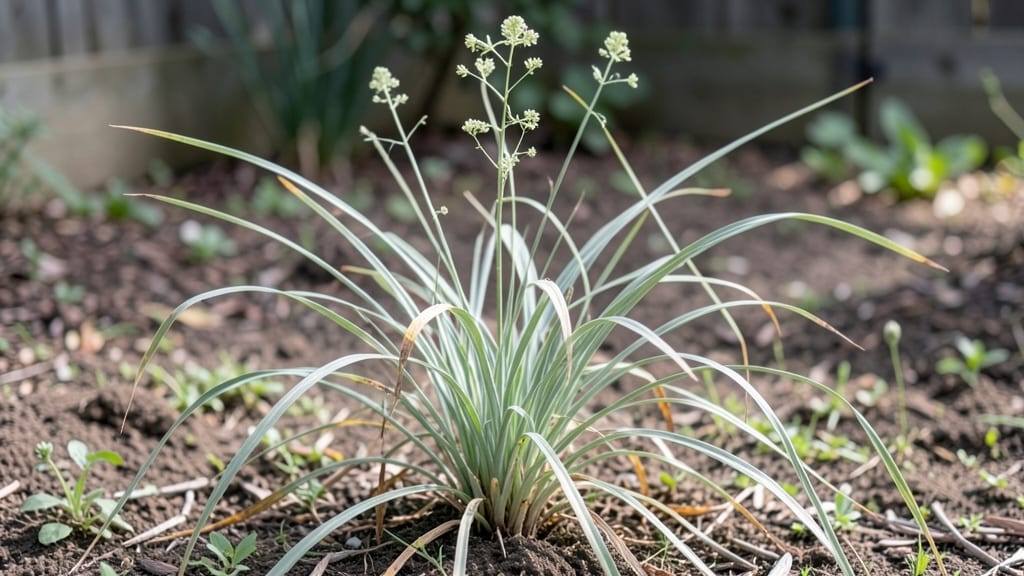
Citronella plants do bloom, producing delicate white or pale pink flowers in summer, though they primarily grow for their fragrant, mosquito-repelling foliage rather than their blooms. The flowers attract pollinators but are often pruned to encourage stronger growth.
While citronella’s signature scent comes from its leaves, those subtle blooms appear when the plant reaches maturity—typically between late spring and summer. 🌸 The flowers thrive in full sun and well-draining soil, so gardeners in warmer climates often see more frequent blooming.
Interestingly, the blooms aren’t just decorative; they’re a magnet for bees and butterflies, adding unexpected biodiversity to your outdoor space.
That said, many growers prioritize foliage over flowers since the leaves contain the highest concentration of citronella oil. If you want both, I recommend light pruning after flowering to redirect energy to new growth—just avoid heavy cuts that could stress the plant.
The trade-off? Fewer blooms but stronger pest-repelling power all season long.
💡 In This Article
- Citronella Flowering Season and Environmental Triggers
- Encouraging Citronella Blooms Without Sacrificing Mosquito Protection
Citronella flowering season and environmental triggers
Citronella plants typically bloom between late May and July, though the exact timing depends on your climate zone. Here's what's actually happening: these plants follow a photoperiodic response, meaning they need 14-16 hours of daylight to trigger flowering.
When daylight exceeds 12 hours (common in late spring), the plant's hormonal balance shifts from vegetative growth to reproductive mode. This explains why tropical and subtropical regions see more frequent blooming—they naturally provide those extended daylight conditions.
The flowers themselves are small, star-shaped blooms measuring about 1/4 to 1/2 inch across, with five delicate petals that range from pure white to soft pink hues.
What makes them special is their dual function: while they serve as a visual cue for pollinators, they also contain trace amounts of citronella compounds that enhance the plant's overall pest-repelling properties.
The blooming process typically lasts 2-3 weeks per flush, with some varieties producing multiple blooms throughout summer if conditions remain optimal.
Temperature plays a crucial role in bloom production, with ideal ranges between 75-85°F during the day and 60-68°F at night. Below 65°F, flowering often stalls as the plant conserves energy. I've noticed that sudden temperature drops (like those caused by early fall frosts) can cause premature flower drop.
Humidity also matters—citronella prefers 50-70% relative humidity. Too little moisture in the air leads to smaller blooms, while excessive humidity can promote fungal issues that weaken the plant before it flowers.
Soil quality directly impacts bloom quantity and vibrancy. Citronella thrives in well-draining soil with a slightly acidic to neutral pH (6.0-7.0). The key is organic matter—compost or aged manure provides the nutrients needed for both foliage and flowers.
I recommend a balanced fertilizer (like 10-10-10) applied in early spring, followed by a phosphorus-heavy formula (5-10-10) when you notice new flower buds forming. Over-fertilizing with nitrogen, however, will produce lush leaves at the expense of blooms.
One fascinating mechanism is how citronella flowers change their scent patterns. While the leaves emit a constant mosquito-repelling aroma, the flowers actually produce a sweeter, more complex fragrance—particularly attractive to bees and butterflies.
This scent shift occurs through different volatile organic compounds being released at different times of day. The flowers' scent peaks in early morning, which coincides with peak pollinator activity in many climates.
What most gardeners don't realize is that flowering actually competes with foliage production for the plant's energy resources. When you see abundant blooms, it often means slightly less intense citronella scent in the leaves.
This natural trade-off explains why many commercial citronella growers prune flowers—they prioritize pest-repelling power over ornamental value. The balance between blooms and foliage is what makes citronella such an interesting plant to cultivate.