
Blooming
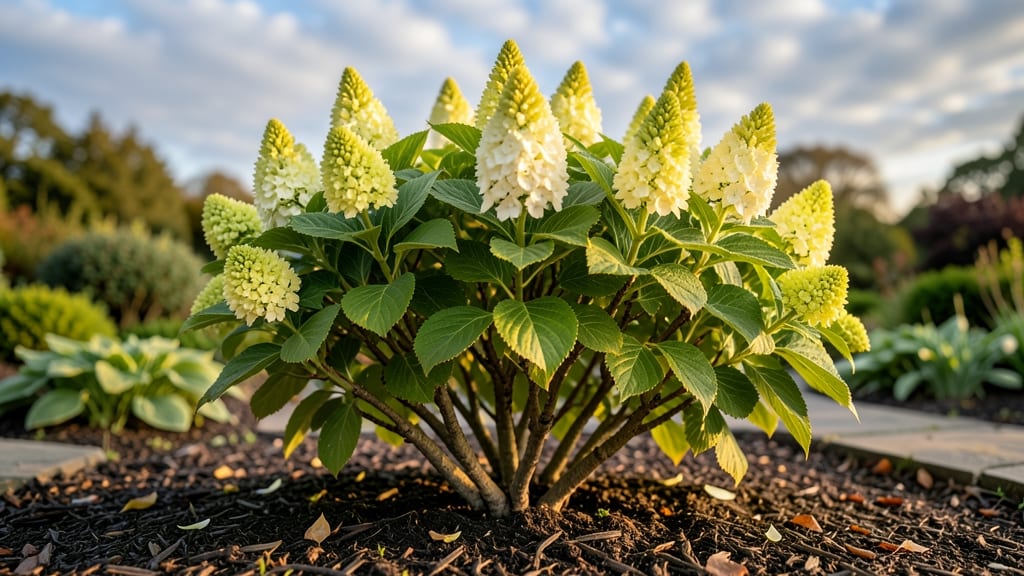
Hydrangeas bloom all summer—if you know their secret triggers. 🌸 I’ve watched my lacecap hydrangeas put on a show from June to frost, while neighbors scratch their heads at bare stems. The difference? Variety, pruning, and a few heat-tolerant tweaks most gardeners miss.
Not all hydrangeas play by the same rules. Mopheads often bloom once on old wood, while lacecaps and some modern hybrids rebloom on new growth. That means timing your pruning after blooms fade (not in fall!) and giving them morning sun + afternoon shade to beat the heat.
Water deeply when buds form—drought stress halts blooms faster than you’d think.
With the right care, you’ll see fresh flower clusters every 4-6 weeks all season. The key? Deadhead spent blooms on rebloomers, feed lightly with acidic fertilizer mid-season, and mulch to keep roots cool. My plants now outperform store-bought bouquets—and they keep going until frost.
Works for backyard beds, containers, or even shade gardens. Here’s how to make it happen in your zone—no more sad stems, just nonstop color.
What Triggers Hydrangeas To Bloom
Hydrangeas can put on a stunning all-summer show—but not every variety does it naturally. The reason behind their extended blooming (or lack thereof) often boils down to biology, climate, and how you care for them.
Let’s break down the key factors that influence whether your hydrangeas will keep flowering or fade early.
Most hydrangeas are temperature-sensitive, and their blooming cycles are tightly linked to seasonal changes. Here’s how heat plays a role:
- Daylength and Temperature Cues: Hydrangeas like Hydrangea macrophylla (bigleaf types) and Hydrangea paniculata (panicle types) rely on vernalization—a process where cold winter temperatures trigger bud formation. However, reblooming varieties (like 'Limelight' or 'Endless Summer') produce two sets of buds: one for spring blooms (formed the previous summer) and another for summer/fall blooms (formed in spring). Consistent warmth (75–85°F) encourages these secondary buds to open, extending the bloom time.
- Too Much or Too Little Sun: While hydrangeas need 4–6 hours of sunlight daily, intense midday heat (especially in hot climates) can stress plants, causing buds to abort or flowers to wilt quickly. In contrast, partial shade (morning sun + afternoon shade) helps maintain moisture and prevents heat shock.
- Heat Waves and Bud Drop: Sudden temperature spikes above 90°F can cause buds to desiccate (dry out) or fail to open. This is why hydrangeas in Zone 7+ may need afternoon shade or regular watering to counteract heat stress.
Pro Tip: 🌡️ If your hydrangeas bloom heavily in spring but fade by early summer, they may be non-reblooming varieties. Check the tags—switching to a reblooming cultivar (like 'Nikko Blue' or 'Little Lime') can solve the issue!
Hydrangeas are thirsty plants, and water stress—whether from drought or overwatering—directly impacts blooming.
- Drought Stress: When soil dries out, hydrangeas prioritize survival over flowering. Buds need consistent moisture to develop; even slight wilting can cause buds to drop. In containers, this happens faster—check soil moisture daily in summer.
- Overwatering and Root Rot: While hydrangeas love water, waterlogged soil suffocates roots, preventing nutrient uptake. This weakens the plant, leading to poor bud formation or early bloom decline. Ensure pots have drainage holes and garden beds aren’t soggy.
- pH and Nutrient Imbalance: Hydrangeas thrive in acidic to neutral soil (pH 5.5–6.2). If soil is too alkaline (pH >7), iron and micronutrient deficiencies occur, stunting growth and reducing blooms. Test your soil—amend with peat moss or sulfur if needed.
Pro Tip: 💧 Mulch heavily (3–4 inches of organic mulch) to retain moisture and regulate soil temperature. This mimics their natural woodland habitat and encourages steady blooming.
Pruning can make or break your hydrangeas’ blooming schedule. Here’s what goes wrong:
- Pruning at the Wrong Time: Bigleaf hydrangeas bloom on old wood (buds set in summer/fall for next year’s spring blooms). If you prune after mid-summer, you risk cutting off next year’s flowers. Panicle and oakleaf hydrangeas bloom on new wood, so they can be pruned in late winter/early spring without harm.
- Over-Pruning: Cutting back more than 1/3 of the plant removes too many buds. For reblooming varieties, light pruning in spring (just above a set of leaves) encourages more secondary blooms.
- Deadheading Improperly: Removing spent blooms can signal the plant to stop flowering. For non-rebloomers, leave some seed heads for winter interest. For rebloomers, deadhead only after the second flush of flowers fades.
Pro Tip: ✂️ Use sharp, sterilized shears and prune on a dry, cool day to reduce stress. For bigleaf types, wait until just after blooming (late spring) to prune.
Not all hydrangeas are created equal—and some won’t rebloom no matter what you do. Here’s why:
- Non-Reblooming Cultivars: Classic varieties like 'Annabelle' or 'Blue Mermaid' bloom only once per year on old wood. Their energy is focused on a single spring/early summer flush, after which they go dormant until next year.
- Genetic Bloom Triggers: Some hydrangeas (like H. serrata) are short-day plants, meaning they bloom in response to long nights. In areas with short summer nights (e.g., Southern U.S.), they may produce fewer flowers.
- Hybridization for Reblooming: Modern hybrids (e.g., 'Endless Summer' series) were bred to produce buds twice yearly. If your hydrangea isn’t one of these, it’s likely hardwired for a single bloom cycle.
Pro Tip: 🌿 Check your plant’s tag or do a quick online search to confirm if it’s a rebloomer. If not, consider swapping it out for a variety like 'Cityline Paris' or 'Vanille Fraise' for year-round color!
Revive & Extend Blooms Naturally
If your hydrangeas are struggling to bloom all summer—or worse, dropping buds early—don’t panic! With the right care, you can coax them back to life and even encourage longer flowering seasons.
Below, we’ll tackle the most common causes of weak or short-lived blooms and provide practical, step-by-step fixes to keep your hydrangeas thriving. Plus, we’ll share prevention tips to avoid future disappointments.
If your hydrangeas are planted in too much shade, they may produce sparse or weak blooms. While they tolerate partial shade, most varieties—especially mophead and panicle types—need at least 4–6 hours of direct sunlight daily to rebloom reliably.
How to Fix It:
🔥 🌞 Relocate or Prune Overhanging Branches
- Move potted hydrangeas to a sunnier spot (like near a south- or west-facing wall).
- If in the ground, trim back tall trees or shrubs blocking sunlight in early spring.
🍳 🌿 Choose the Right Variety for Your Light
- Low-light tolerant: ‘Endless Summer,’ ‘Annabelle,’ or ‘Nikko Blue’ (can handle 2–4 hours of sun).
- Sun-loving powerhouses: ‘Limelight,’ ‘Vanille Fraise,’ or ‘Quick Fire’ (thrive in full sun with afternoon shade in hot climates).
💡 Pro Tip: If relocating isn’t possible, supplement with a grow light (12–14 hours/day) during short-day seasons (fall/winter) to trick them into reblooming.
Hydrangeas hate soggy roots! Overwatering or compacted soil can suffocate roots, leading to drooping buds, yellow leaves, or no blooms. Even worse, it invites fungal diseases like powdery mildew, which weakens plants.
How to Fix It:
👨🍳 💦 Water Deeply but Less Often
- Water 1–2 inches per week (check soil moisture—stick your finger 2 inches down; if dry, water).
- Use a soaker hose or drip irrigation to avoid wetting leaves (prevents mildew).
🥘 🏗️ Improve Soil Drainage
- Amend clay soil with compost or perlite (mix 2–3 inches into the top 12 inches of soil).
- For potted hydrangeas, ensure pots have drainage holes and use a well-draining mix (50% potting soil + 50% perlite/pine bark).
✨ Prevention Tip: Mulch around the base (2–3 inches of shredded bark) to retain moisture without smothering roots.
Hot, dry spells can cause hydrangeas to drop buds prematurely or enter dormancy early. While some varieties (like panicle hydrangeas) handle heat better, others (like bigleaf types) wilt without extra care.
How to Fix It:
🔥 🌿 Provide Afternoon Shade
- Use a lightweight shade cloth (30–50%) during peak heat (12–4 PM).
- Plant near taller, fast-growing shrubs (like sunflowers or corn) for temporary shade.
🍎 💦 Hydrate Strategically
- Water early morning or late evening to reduce evaporation.
- For container hydrangeas, place pots in shaded saucers filled with water to encourage uptake.
🎯 🌡️ Boost Heat Tolerance
- Feed with a balanced fertilizer (10-10-10) in early summer to support new growth.
- Avoid high-nitrogen fertilizers (they promote leafy growth over blooms).
Pruning at the wrong time—or too aggressively—can remove next year’s flower buds (especially for bigleaf hydrangeas). Reblooming varieties need specific pruning to encourage continuous blooms.
How to Fix It:
🔪 📅 Prune at the Right Time
- Bigleaf hydrangeas (e.g., ‘Endless Summer’): Prune right after flowering (late summer/early fall) or in late winter/early spring (before buds swell).
- Panicle hydrangeas (e.g., ‘Limelight’): Prune in late winter/early spring to remove dead wood and shape.
⏰ 🌿 Follow the “Third of the Stem” Rule
- Cut back 1/3 of the oldest stems to the ground to rejuvenate the plant.
- For rebloomers, trim only spent blooms (never cut into next year’s buds).
💡 Pro Tip: Use sterilized pruners and seal cuts with pruning paste to prevent disease.
Too little (or too much!) fertilizer can stunt blooms. Hydrangeas need balanced nutrition—especially for reblooming—but overdoing it leads to weak stems or leafy growth at the expense of flowers.
How to Fix It:
📊 🍽️ Feed the Right Way
- Spring (March–April): Use a low-nitrogen, high-phosphorus fertilizer (5-10-10) to encourage blooms.
- Summer (June–July): Switch to a balanced fertilizer (10-10-10) or compost tea for a gentle boost.
💪 🌱 Avoid Over-Fertilizing
- Stop fertilizing after mid-summer to let hydrangeas harden off for winter.
- Test soil pH—hydrangeas need acidic soil (pH 5.2–6.2) for vibrant blooms. Add sulfur or aluminum sulfate if needed.
With these fixes, your hydrangeas should rebloom with vigor and keep you in color from early summer through fall. The key? Consistency—whether it’s sunlight, water, pruning, or feeding. Try one or two solutions this season, and watch your garden transform into a nonstop floral show! 🌸✨
Frequently asked questions
Why do my hydrangeas bloom heavily in spring but fade by early summer?
Most hydrangeas are once-blooming varieties that set buds in summer/fall for next year's spring show. Only reblooming types (like 'Endless Summer' or 'Limelight') produce secondary buds. Check your plant's tag—if it's not a rebloomer, you may need to upgrade varieties for continuous color.
Can I make non-reblooming hydrangeas bloom all summer?
Unfortunately, no—non-rebloomers like 'Annabelle' or 'Blue Mermaid' are genetically programmed for one bloom cycle. However, you can extend their season by deadheading spent blooms (removing only faded flowers) to encourage a few more clusters. For true summer-long blooms, switch to reblooming cultivars.
How do I tell if my hydrangea is a rebloomer or not?
Look for these clues: rebloomers have two sets of buds—spring blooms on old wood and summer blooms on new growth. Check the plant tag or search your variety online. Classic rebloomers include 'Nikko Blue', 'Little Lime', and 'Cityline Paris'. If unsure, observe—rebloomers show new flower buds forming after the first flush.
Will pruning encourage more summer blooms?
Only if done correctly! For bigleaf rebloomers, prune right after flowering (late spring) to remove dead stems. For panicle types, prune in late winter. Never prune after mid-summer—this removes next year's buds. Light pruning (cutting back 1/3 of oldest stems) actually stimulates more blooms!
What's the best way to keep hydrangeas blooming in hot climates?
Provide morning sun + afternoon shade to prevent heat stress. Water deeply 2-3 times per week (check soil moisture daily in containers). Use mulch to retain moisture and feed with acidic fertilizer (like cottonseed meal) every 6-8 weeks. Heat-tolerant varieties like 'Vanille Fraise' or 'Quick Fire' handle summer heat best.