
Blooming
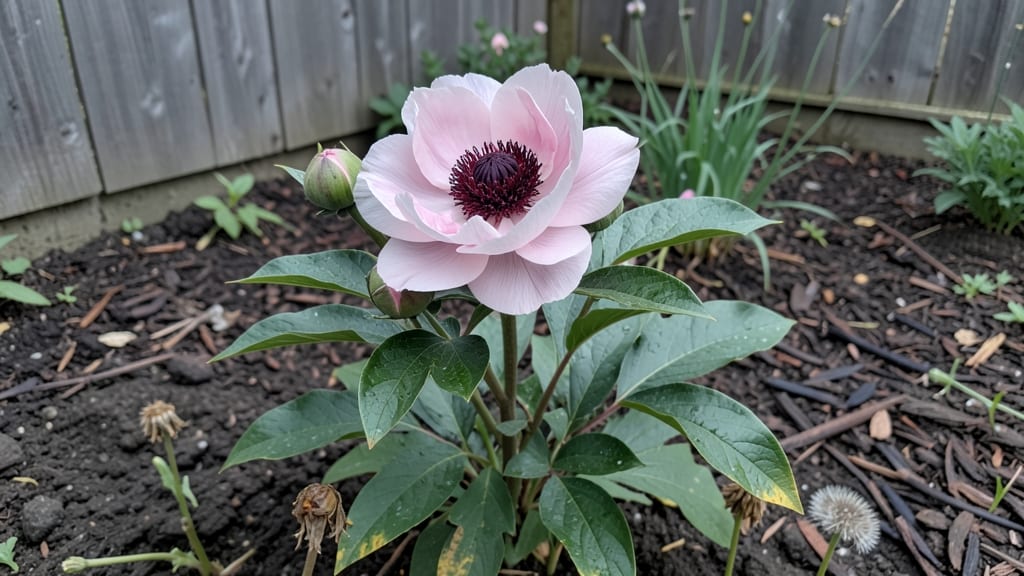
Peonies do not only bloom once—they typically rebloom annually for decades once established, though first-year plants may flower lightly or not at all. Proper care like full sun, well-draining soil, and winter mulch encourages consistent blooms beyond their initial season.
Many gardeners assume peonies are one-hit wonders, but the truth is far more exciting—reblooming varieties can produce stunning flowers twice a season if given the right conditions. 🌸 The key lies in their root system: established plants develop deep, energy-rich roots that fuel those second flushes of blooms, often lasting well into autumn.
What’s fascinating is how heritage varieties like 'Sarah Bernhardt' or 'Bowl of Beauty' prove this rule, delivering vibrant displays year after year with minimal effort once planted correctly.
However, there’s a catch: first-year peonies often focus on building roots rather than flowering, which is why patience pays off. I’ve seen gardeners rush to dig up young plants after one weak bloom, only to miss the magic that unfolds in years two through five.
The secret weapon? A thick layer of mulch in winter—it mimics nature’s insulation, protecting those critical roots from temperature swings that can disrupt flowering cycles.
💡 In This Article
- Peony Blooming Cycle: Why Some Varieties Rebloom Better
- How to Maximize Peony Reblooming Year After Year
Peony blooming cycle: why some varieties rebloom better
Here's what's actually happening beneath the soil: peonies fall into two distinct botanical categories that determine their blooming habits. Herbaceous peonies (the most common type) die back to the ground each winter and typically bloom just once per season, usually in late spring.
Their energy goes into building robust root systems for next year's growth. On the other hand, tree peonies (or ITM - Intersectional Hybrid) retain their foliage year-round in warmer climates and can produce two flushes of blooms—one in spring and another in summer.
The key factor is root development: reblooming varieties develop a stronger, more extensive root system that stores enough energy to support multiple flowering cycles. For example, a well-established tree peony might produce 50-100 buds annually, while a single-bloom herbaceous peony typically has only 3-5 buds.
This explains why some gardeners see dramatic differences between varieties—it's not just genetics but also how aggressively the plant invests in underground storage. 🌱 What most people don't realize is that the second bloom often arrives 6-8 weeks after the first, requiring careful timing for optimal care.
Dormancy plays a crucial role in this cycle. After the first flush of blooms, peonies enter a period of active growth where they're building energy reserves. This is why over-pruning after the first bloom can eliminate the second—you're removing the plant's food source.
The magic happens when roots reach a diameter of about 1-2 inches, which usually takes 3-5 years of proper care. During winter, these roots undergo a natural dormancy process where they harden and store carbohydrates, setting the stage for next year's blooms.
Let's compare the seasonal expectations: single-bloom herbaceous peonies typically flower for 7-10 days in late spring (April-May in most zones), while reblooming varieties might produce 10-14 days of blooms in spring followed by another 7-10 days in summer. The trade-off?
Rebloomers often have slightly smaller flowers and may require more phosphorus in the soil to support their energy demands. Varieties like 'Bartzella' or 'Coral Charm' demonstrate this perfectly—they'll give you that second show if you provide the right growing conditions.
One fascinating detail is how temperature fluctuations affect reblooming. In cooler climates (zones 3-5), tree peonies might only reliably rebloom every other year due to shorter growing seasons. But in milder zones (6-8), they can produce consistent second blooms annually.
This is why gardeners in California or the Pacific Northwest often report more reliable reblooming than those in the Midwest. The science involves chilling requirements—most peonies need 300-500 hours below 40°F annually to properly reset their blooming cycle.
What truly sets reblooming varieties apart is their ability to extend the garden season. While single-bloom peonies put all their energy into one spectacular show, rebloomers spread that energy across multiple events.
This creates a cascading effect where you might see buds forming while previous blooms are still open—something that never happens with single-bloomers. The secret to encouraging this behavior lies in maintaining consistent moisture during the growing season while ensuring proper drainage to prevent root rot.