
Blooming
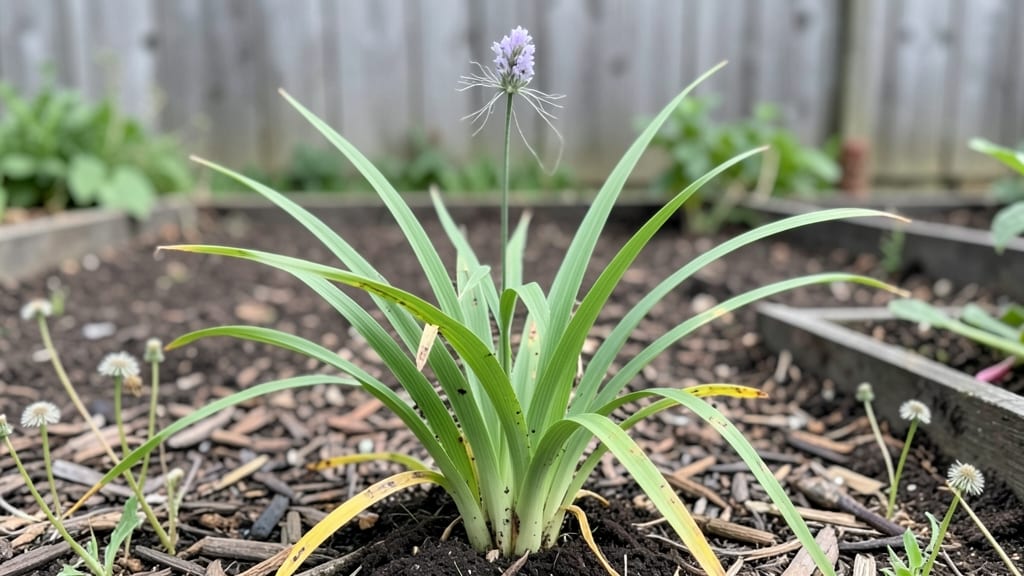
Lemon grass typically does not bloom under standard home cultivation, as most varieties grow primarily for their edible stalks. However, mature plants in tropical climates or with ideal conditions may produce small white or purple flowers on tall, slender stalks during late summer or fall.
Most gardeners focus on harvesting those fragrant stalks, so they never let lemon grass reach its full flowering potential. 🌿 When conditions align—think warm, humid climates with full sun and rich, well-draining soil—these plants can surprise you with delicate blooms that appear after 12-18 months of growth.
The flowers themselves are edible and add a subtle citrusy note, though they’re rarely the main attraction.
What’s fascinating is how these blooms signal the plant’s readiness to reproduce. If you’re growing lemon grass in pots, you might notice the stalks stretching taller before flowering, which is your cue to provide extra support or even propagate new plants from cuttings.
The blooms typically last just a few days, but their presence means your plant is thriving beyond just the stalks.
💡 In This Article
- Lemon Grass Flowering Conditions and Growth Stages
- Encouraging Lemon Grass Blooms: Tips for Gardeners
Lemon grass flowering conditions and growth stages
Here's what's actually happening when lemon grass decides to bloom: it's responding to a perfect storm of environmental triggers. The plant needs consistent temperatures above 75°F for at least 6-8 months to initiate flowering.
Most home gardeners in temperate climates never achieve this prolonged warmth, which is why their plants stay focused on stalk production. The key factor is photoperiod - lemon grass detects the shortening days of late summer as a signal to flower, similar to how poinsettias respond to shorter daylight hours.
The flowering process begins when the plant reaches 3-4 feet tall, typically after 12-18 months of growth. At this stage, you'll notice the lower leaves yellowing slightly as the plant redirects energy upward.
The stalks will elongate dramatically, sometimes reaching 6 feet or more, with flower buds forming at the top. These buds are initially green but develop into 1-inch white or lavender flowers that resemble tiny orchids.
The flowers themselves are fragrant but subtle, with a citrusy aroma that's more pronounced in the evening hours.
What most people don't realize is how humidity plays a critical role. Lemon grass originates from tropical regions where relative humidity stays above 60% year-round. In dry conditions, the plant conserves energy by focusing on stalk production rather than flowering.
Even with perfect temperatures, if your humidity drops below 50%, you'll likely see minimal to no blooming. This is why indoor lemon grass rarely flowers - most homes maintain humidity levels between 30-40%, which is too low for the plant's reproductive triggers.
The soil composition matters too, particularly nitrogen levels. Lemon grass grown for culinary use receives regular nitrogen-rich fertilizers to promote leafy stalk growth. However, flowering requires a shift to phosphorus-heavy nutrients. When the plant senses it's mature enough, it naturally reduces nitrogen uptake and increases phosphorus absorption from the soil.
This nutrient shift is what triggers the hormonal changes that lead to flower bud formation. Most gardeners continue fertilizing with high-nitrogen mixes, inadvertently preventing the flowering process.
Interestingly, the flowering stalks serve another purpose beyond reproduction. When the flowers fade, they develop into seed heads that contain 100-200 tiny black seeds per stalk. These seeds are viable for propagation, though they require 80°F+ soil temperatures to germinate.
The entire flowering process - from bud formation to seed development - typically takes 4-6 weeks, making it a relatively quick transformation once conditions are right.
The most common reason homegrown lemon grass never blooms comes down to harvest timing. Gardeners typically cut the stalks back to 6 inches when they reach 2-3 feet tall to encourage new growth. This frequent pruning prevents the plant from reaching the 3-foot minimum height needed to trigger flowering hormones.
What's fascinating is that even when conditions are perfect, lemon grass may produce flowers only every 2-3 years as a survival mechanism to conserve energy.