
Succulent
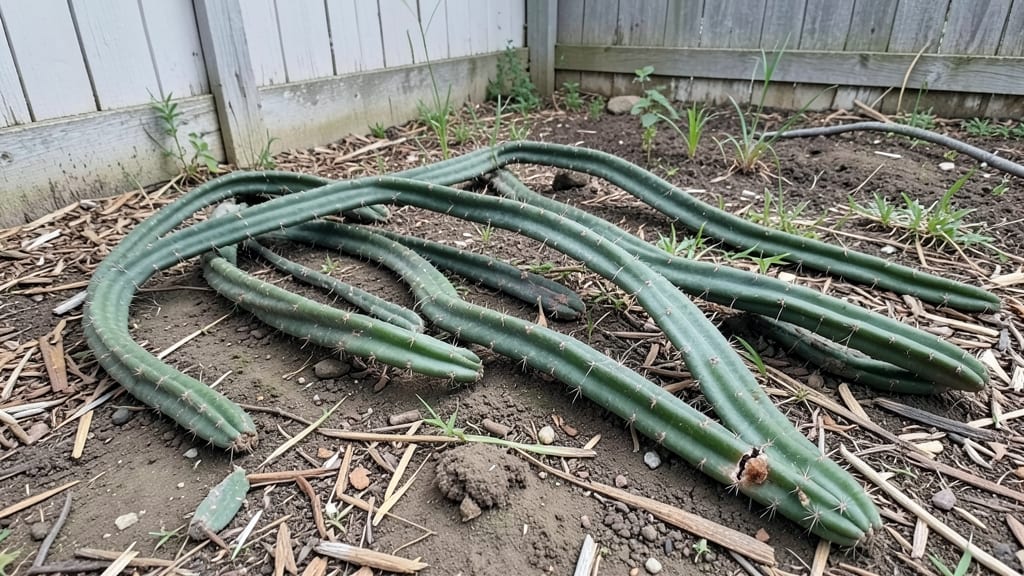
Understanding your night blooming cereus 🌵 leaves is the first step to a thriving plant that bursts into dramatic, moonlit blooms every season.
Your night blooming cereus could be sending silent signals through its leaves—yellowing, browning, or wilting—but understanding these clues is the key to unlocking stunning, long-lasting flowers. That crispy edge on the leaf tips? It’s not just a cosmetic issue—it’s a cry for help.
Most gardeners overlook leaf health until the plant stops blooming, but the truth is, healthy leaves are the foundation of those showstopping nighttime flowers. A few simple adjustments—like watering habits or light exposure—can turn a struggling plant into a blooming superstar.
In this guide, I’ll walk you through how to read your plant’s leaves, when to prune for better growth, and the easiest ways to keep your night blooming cereus thriving in USDA Zones 9b-11.
How to identify night blooming cereus leaves: signs of health & common problems
Night blooming cereus (Selenicereus spp.) leaves are your plant’s first line of communication. Healthy leaves are glossy green, thick, and firm to the touch—signs your plant is thriving.
But when these leaves change, it’s time to investigate. Yellowing, wrinkling, or spots often signal underlying issues like overwatering, pests, or nutrient deficiencies.
Start by examining the leaf color. Vibrant green leaves mean your plant is happy, while dull or pale leaves suggest light deprivation or overwatering. Darker patches or blackened areas could indicate fungal infections or rot.
Pay close attention to the edges—brown, crispy tips are a classic sign of underwatering or low humidity.
| Health Sign | Leaf Appearance | Likely Cause | Solution |
|---|---|---|---|
| Healthy | Glossy green, firm, thick | Balanced care | Continue current routine |
| Yellowing | Pale yellow patches | Overwatering or nutrient deficiency | Reduce water; fertilize with low-nitrogen |
| Brown Tips | Dry, crispy edges | Underwatering or low humidity | Increase water slightly; add humidity |
| Black Spots | Dark, mushy areas | Fungal infection or rot | Trim affected areas; improve airflow |
| Wrinkled | Shriveled, soft texture | Severe underwatering or heat stress | Water deeply; move to shade |
| Pests | Sticky residue, tiny bugs | Mealybugs or spider mites | Isolate plant; use neem oil |
Check the leaf texture next. Healthy leaves should feel firm and slightly leathery. If they’re soft or squishy, your plant may be overwatered or suffering from root rot. On the flip side, leaves that feel dry and papery often indicate underwatering or high temperatures.
Don’t overlook the leaf edges. Uneven browning or curling often points to environmental stress, such as sudden temperature shifts or poor air circulation. If you spot white webbing or tiny holes, pests like spider mites or mealybugs are likely the culprits.
Act fast—these pests can spread quickly and weaken your plant.
Another key indicator is the growth pattern. Healthy night blooming cereus leaves grow evenly and upright. If you notice stunted growth or leaves growing horizontally, your plant may not be getting enough light.
Move it to a sunnier spot—ideally, 6+ hours of direct sunlight daily.
For nutrient deficiencies, look for specific color changes. Yellowing between leaf veins often signals iron deficiency, while purple or red hues can mean phosphorus or potassium shortages.
Adjust your fertilizer routine—use a balanced succulent fertilizer (like 5-10-10 NPK) every 4-6 weeks during the growing season.
If your leaves are drooping but still firm, it might be heat stress. Move your plant to a shadier spot during peak afternoon sun. If the drooping is paired with soft, mushy leaves, it’s likely root rot—stop watering immediately and repot in well-draining soil.
Finally, inspect the underside of leaves. Tiny white or yellow spots could mean powdery mildew, while black sooty mold often appears after pest infestations. Clean leaves with a mild soapy water solution and improve airflow around the plant to prevent future issues.
Pruning night blooming cereus leaves: when, how & what to avoid
Pruning your night blooming cereus isn't just about keeping it tidy—it's essential for flower production and plant longevity. The right cuts encourage healthy new growth while removing dead or damaged segments.
Timing and technique make all the difference, so let’s dive into the best practices to keep your plant thriving.
Start by identifying the right time to prune. The ideal window is late winter or early spring, just as new growth begins. This timing ensures you’re not cutting into flower buds or disrupting the plant’s natural cycle.
Avoid pruning during the active blooming season (summer to fall), as this can stress the plant and reduce flower production.
⚠️ callout warning
Cutting in winter forces the plant to heal while it’s already conserving energy. This weakens roots and can lead to rot or fungal infections. Wait until new growth appears in spring—this signals the plant is ready for pruning.
Also, avoid pruning right after repotting. Give your cereus 4-6 weeks to adjust to its new environment before making any cuts.
When pruning, always use sterilized pruning shears or a clean knife. Cut segments at a 45-degree angle, about 1/4 inch above a node (the bump where leaves or flowers emerge).
This angle helps water run off, reducing rot risk. Remove only dead, yellowed, or diseased segments—never more than 20-30% of the plant at once.
After pruning, let the cuts dry for 1-2 days before repotting or replanting. This prevents moisture from seeping into the wound and causing infections. If you’re propagating, place the cuttings in a well-draining cactus mix and keep them in bright, indirect light until roots form.
One common mistake is pruning too aggressively, which can shock the plant. Another is using dull or dirty tools, which spread bacteria. Always clean your tools with rubbing alcohol before and after pruning to keep your cereus healthy.
Finally, monitor your plant after pruning. If you see yellowing leaves or soft, mushy stems, it may be overwatered or stressed. Reduce watering and ensure it gets bright, indirect light until it recovers.