
Blooming
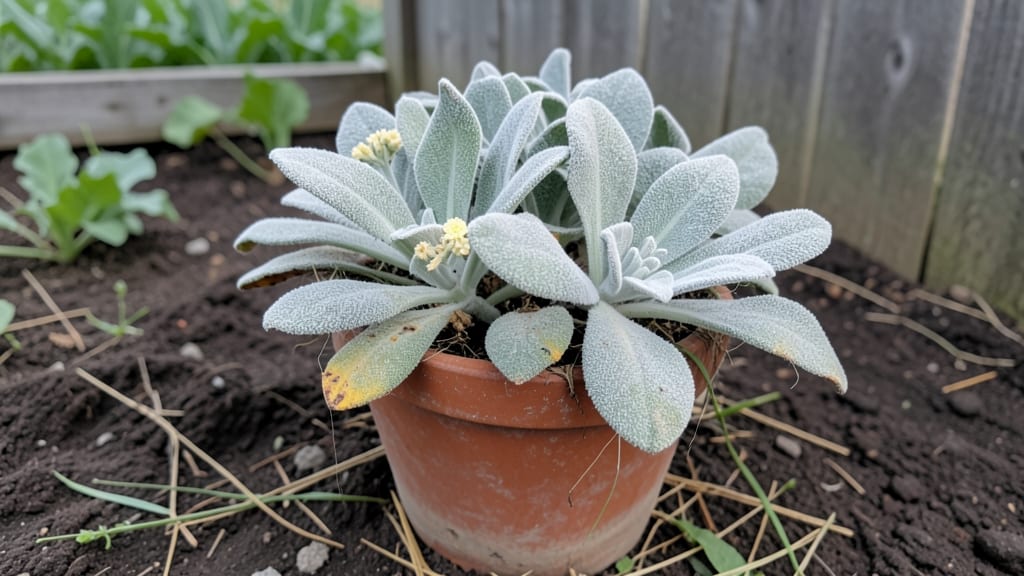
Dusty miller bloom occurs in late spring to early summer, producing soft, fuzzy silver-gray flower clusters that contrast beautifully with its velvety foliage. This flowering is natural and signals the plant’s maturity, though it may reduce foliage density temporarily. Pruning spent blooms encourages bushier regrowth and prolongs the plant’s ornamental appeal.
This charming display isn't just decorative—it's your dusty miller's way of signaling it's ready for its next growth phase. 🌿 The fuzzy silver blooms may seem delicate, but they're actually hardy survivors that thrive in partial shade to full sun, making them perfect for borders or containers.
What many gardeners don't realize is that these blooms often appear more vigorously in their second year, rewarding patient care with even more dramatic foliage contrasts.
Here's the kicker: while the flowers are stunning, the real star is always that velvety silver foliage. Pruning those spent blooms isn't just about looks—it redirects the plant's energy back into leaf production, giving you that lush, textured backdrop we all love.
Think of it as a reset button for your plant's best feature!
💡 In This Article
- Understanding Dusty Miller Flowering Cycles
- Encouraging Dusty Miller Blooms Through Pruning and Care
Understanding dusty miller flowering cycles
Here's what's actually happening when your dusty miller produces those fuzzy silver blooms: it's following a biennial growth pattern triggered by specific environmental cues. The plant typically enters its flowering phase in its second year when daytime temperatures consistently reach 65-75°F for at least 2-3 weeks.
This temperature threshold stimulates hormonal changes that convert vegetative growth into floral buds. Unlike annuals that bloom once and die, dusty miller (Senecio cineraria) stores energy in its roots during its first year, building the reserves needed for this dramatic spring display.
The silver-gray foliage you love so much is actually the plant's primary survival mechanism. Those fuzzy leaves contain trichomes - microscopic hair-like structures that reflect sunlight and reduce water loss by up to 40%.
This adaptation allows dusty miller to thrive in dry, Mediterranean-like conditions where many perennials would struggle. 🌿 What's fascinating is that the flowering process temporarily diverts energy away from leaf production, which is why you might notice slightly less dense foliage during bloom time.
Compare this to lamb's ear (Stachys byzantina), which maintains its velvety leaves year-round without this energy trade-off.
The biennial nature of dusty miller creates an interesting contrast with other ornamental perennials like statice (Limonium spp.). While statice produces its striking flower spikes annually in response to summer heat, dusty miller's blooming is more tied to temperature fluctuations in spring.
This makes dusty miller particularly responsive to early spring warm spells - sometimes blooming as early as March in warmer climates or waiting until May in cooler regions.
The plant's flowering cycle also explains why some gardeners report more vigorous blooming in their third year - it takes that long to build sufficient root reserves.
What most people don't realize is that the silver foliage remains the plant's true ornamental asset even after blooms fade. Those fuzzy flower clusters serve primarily as a reproductive strategy rather than a decorative feature.
The real showpiece is the foliage, which can maintain its striking appearance for 6-8 months if properly cared for.
This is why experienced gardeners often remove spent blooms not just for aesthetics, but to redirect the plant's energy back into leaf production - essentially preserving the feature that makes dusty miller so valuable in garden design.
Consider this comparison: while statice's flower spikes provide year-round interest, dusty miller's value lies in its foliage's texture and color contrast. The silver leaves create visual drama against dark foliage plants like heuchera or purple-leafed grasses, serving as a neutral backdrop that makes other colors pop.
This is why landscape designers often use dusty miller as a "filler" plant - it provides structure and contrast without competing with other plants for attention.
The flowering process also demonstrates dusty miller's resilience. Unlike many perennials that require specific light conditions to bloom, dusty miller will flower even in partial shade, though the display may be less dramatic.
This adaptability is one reason it thrives in containers where light conditions can vary significantly throughout the day. The plant's ability to bloom in 4-6 hours of direct sunlight makes it more versatile than many ornamental perennials that demand full sun.
Here's the key takeaway: those fuzzy blooms are nature's way of signaling the plant's maturity and readiness to reproduce, while the silver foliage represents its year-round investment in survival and beauty.
Understanding this cycle helps explain why some plants bloom more vigorously than others and why proper care after flowering is crucial for maintaining that prized foliage. ✨