
Blooming
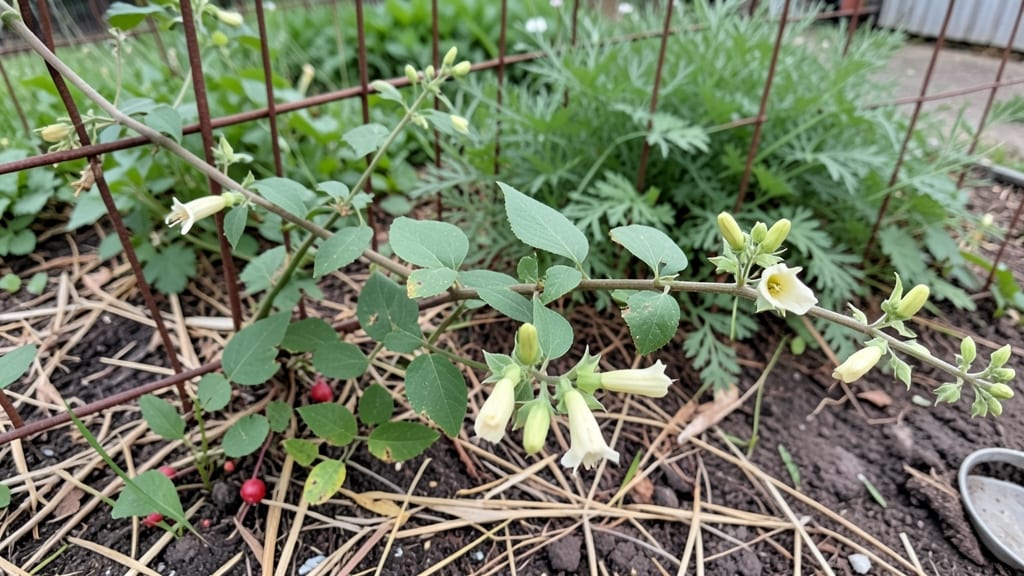
Honeysuckles bloom for 4-8 weeks per season, typically starting in late spring and lasting through early summer, though some varieties extend into fall with proper care. Prolonged flowering depends on pruning and species selection.
When you're planning your garden around these fragrant climbers, timing matters—most varieties peak in late spring to early summer, but their full potential depends on your approach. 🌸 For instance, Lonicera periclymenum (common honeysuckle) often stretches its show to 8 weeks, while Lonicera japonica (Japanese honeysuckle) tends to be shorter-lived unless you prune strategically.
The key difference lies in their genetic hardiness and how they respond to seasonal changes, which is why some gardeners swear by late-summer pruning to coax extra blooms.
Beyond variety selection, soil health and sunlight play surprising roles. Well-drained, nutrient-rich soil with adequate phosphorus can push flowering cycles by 2-3 weeks, while consistent moisture prevents stress-induced dormancy.
I’ve found that morning sun exposure—paired with afternoon shade in hot climates—extends bloom windows naturally, cutting down on wilting between showers.
💡 In This Article
- Honeysuckle Bloom Duration by Variety
- Tips to Extend Honeysuckle Flowering Seasons
Honeysuckle bloom duration by variety
Here's what's actually happening with those fragrant clusters: different honeysuckle species have distinct bloom timelines shaped by their genetic makeup. Take Lonicera periclymenum (common honeysuckle), which typically produces flowers for 6-8 weeks—longer than most because its growth habit encourages multiple flushes of blooms.
The key factor is its semi-evergreen nature, which allows it to restart flowering after minor pruning. In contrast, Lonicera japonica (Japanese honeysuckle) usually blooms for just 4-6 weeks due to its more aggressive growth pattern that prioritizes vine expansion over repeated flowering.
The science behind this involves photoperiod sensitivity—how plants respond to daylight length. Early bloomers like Lonicera sempervirens (trumpet honeysuckle) start flowering when days reach 14 hours of light, typically in late April, while late-season varieties like Lonicera x tellmanniana (golden honeysuckle) may wait until June.
This explains why some gardeners in northern climates see blooms lasting until early July, while southern gardeners might extend it to August with proper care. The difference comes down to when each variety's internal clock triggers bud formation.
What most people don't realize is that honeysuckle bloom duration also depends on flower cluster size. Lonicera periclymenum produces smaller, more numerous blooms that open sequentially along the stem, creating a 3-4 week continuous display.
Meanwhile, Lonicera japonica has larger, showier flowers that all open at once—giving a spectacular but shorter 2-3 week peak. This is why gardeners often mix varieties: the staggered blooming creates a longer overall flowering season.
Environmental factors play surprising roles too. For example, Lonicera sempervirens in coastal areas often blooms 2 weeks longer than inland plants due to milder temperatures and higher humidity. The salty air actually reduces stress hormones that trigger early dormancy.
Meanwhile, Lonicera x browniana (a hybrid) can extend blooming into September in ideal conditions because its genetic makeup combines traits from both early and late bloomers. This hybrid vigor creates what botanists call "heterosis"—where offspring outperform their parents.
Consider these key factors when selecting varieties for your garden:
- Early bloomers (May-June): Lonicera sempervirens and Lonicera periclymenum varieties like 'Graham Thomas'
- Mid-season (June-July): Lonicera japonica and Lonicera x tellmanniana with their golden blooms
- Late-season (July-August): Lonicera brownii and some Lonicera periclymenum hybrids
The longest blooming periods—up to 10 weeks—typically occur with Lonicera periclymenum hybrids when grown in optimal conditions. The secret lies in their ability to produce both primary and secondary flower buds, allowing them to rebound after deadheading or light pruning.
This makes them the gold standard for continuous fragrance and visual interest in gardens.