
Blooming
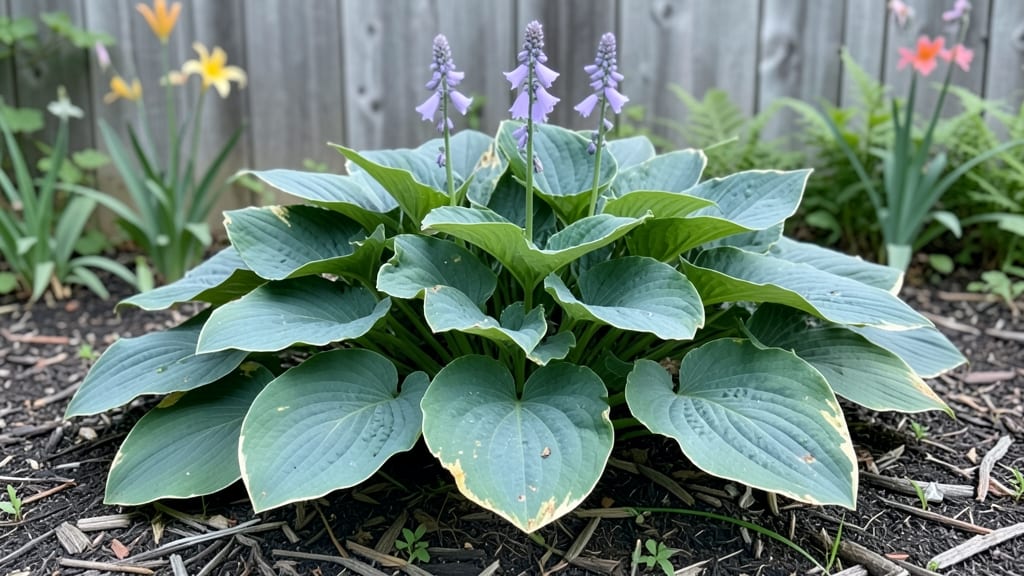
Hostas bloom for 4-6 weeks in mid-to-late summer, with flowering duration varying by cultivar and sunlight exposure. Some varieties produce shorter blooms (2-3 weeks), while others extend to 8 weeks under ideal conditions.
Timing matters when it comes to hosta blooms—most varieties peak between July and August, but their show depends heavily on sunlight. Sun-loving cultivars like 'Halcyon' often shine brightest with 6-8 weeks of flowers, while shade-tolerant types may linger longer but produce smaller blooms.
I’ve noticed that partial shade can actually extend their display by reducing stress, though it might delay the initial burst of color.
What’s fascinating is how day length triggers blooming—longer daylight hours in summer signal hostas to flower, but excessive heat can shorten their lifespan. Deadheading spent blooms (removing faded flowers) encourages reblooming, while well-drained soil rich in phosphorus keeps their energy up.
For gardeners eager to maximize their display, a little extra care in these areas can turn a 4-week show into a full 2-month spectacle. 💫
💡 In This Article
- Hosta Flowering Duration Factors: Light and Variety
- Extending Hosta Bloom Seasons with Care Tips
Hosta flowering duration factors: light and variety
Sunlight acts as the primary regulator of hosta bloom duration, with both intensity and duration playing critical roles. Hostas are photoperiod-sensitive, meaning their flowering is triggered by day length rather than temperature alone.
In regions with 14-16 hours of daylight (like the Midwest and Northeast U.S.), most varieties bloom for 4-6 weeks during peak summer. However, in southern climates with longer daylight, some cultivars may flower earlier but for shorter durations—often just 2-3 weeks—due to heat stress.
Varieties like 'Halcyon' thrive in partial shade (3-6 hours of direct sun) and produce lush, long-lasting blooms (up to 8 weeks) because they experience less stress.
In contrast, sun-loving types such as 'Blue Angel' may bloom more intensely but for 3-4 weeks if exposed to full sun, as excessive heat accelerates senescence. The key difference lies in their native growing conditions: shade-tolerant hostas evolved in forest understories where gradual light changes promote extended flowering.
Day length also influences bloom timing. Most hostas begin flowering when days reach 14-15 hours, but early-season varieties like 'Francee' may start as early as late June in cooler climates, while late bloomers like 'Guacamole' wait until mid-August.
This variation is due to genetic differences in photoperiod sensitivity—some cultivars require longer light exposure to trigger blooming, resulting in delayed but potentially longer displays.
Shade tolerance directly impacts bloom longevity. Hostas grown in deep shade (less than 3 hours of sun) often produce smaller, less vibrant flowers but may rebloom sporadically throughout summer due to reduced stress.
For example, 'June' (a shade-loving cultivar) might show 3-4 weeks of initial blooms followed by scattered flowers over 6-8 weeks if conditions remain stable. The trade-off is that full-sun hostas typically have more dramatic, if shorter-lived, displays.
Soil moisture and temperature further modify bloom duration. Inconsistent watering can shorten flowering by 1-2 weeks, while consistent moisture in well-draining soil preserves blooms. The ideal soil temperature for extended flowering is 60-75°F—cooler roots in spring and fall encourage reblooming, while summer heat above 85°F accelerates flower fade.
This is why hostas in coastal climates often bloom longer: cooler maritime air maintains optimal temperatures.
For gardeners, selecting the right cultivar for light conditions is crucial. Shade gardens benefit from varieties like 'Patriot' or 'Abiqua Drinking Gourd', which may produce 5-7 weeks of blooms due to their stress resilience.
Meanwhile, sun gardens suit 'Soap Bubble', which offers 4-5 weeks of vibrant flowers but requires afternoon shade to prevent leaf scorch. The right match can extend your hosta display by nearly 50% in ideal conditions. 🌿